

178
3 eThekwini’s Green and Ecological Infrastructure Policy Landscape
332
270
582
336
Agential
Ideational
Material
Structural
Causal Mechanisms
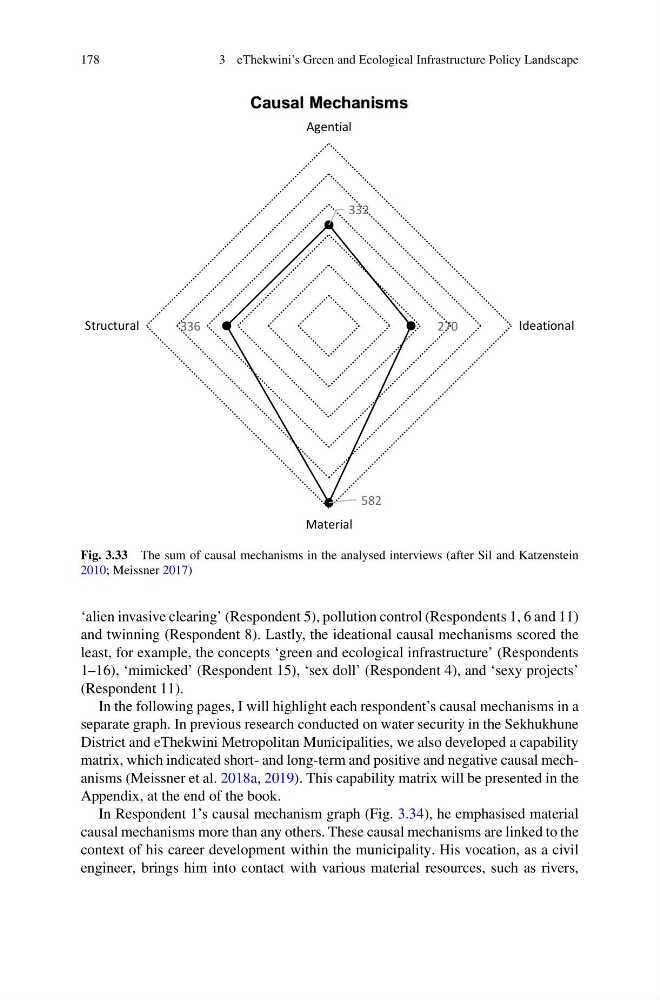
Fig. 3.33 The sum of causal mechanisms in the analysed interviews (after Sil and Katzenstein
2010; Meissner 2017)
‘alien invasive clearing’ (Respondent 5), pollution control (Respondents 1, 6 and 11)
and twinning (Respondent 8). Lastly, the ideational causal mechanisms scored the
least, for example, the concepts ‘green and ecological infrastructure’ (Respondents
1–16), ‘mimicked’ (Respondent 15), ‘sex doll’ (Respondent 4), and ‘sexy projects’
(Respondent 11).
In the following pages, I will highlight each respondent’s causal mechanisms in a
separate graph. In previous research conducted on water security in the Sekhukhune
District and eThekwini Metropolitan Municipalities, we also developed a capability
matrix, which indicated short- and long-term and positive and negative causal mechanisms (Meissner et al. 2018a, 2019). This capability matrix will be presented in the
Appendix, at the end of the book.
In Respondent 1’s causal mechanism graph (Fig. 3.34), he emphasised material
causal mechanisms more than any others. These causal mechanisms are linked to the
context of his career development within the municipality. His vocation, as a civil
engineer, brings him into contact with various material resources, such as rivers,
3 eThekwini’s Green and Ecological Infrastructure Policy Landscape
332
270
582
336
Agential
Ideational
Material
Structural
Causal Mechanisms
Fig. 3.33 The sum of causal mechanisms in the analysed interviews (after Sil and Katzenstein
2010; Meissner 2017)
‘alien invasive clearing’ (Respondent 5), pollution control (Respondents 1, 6 and 11)
and twinning (Respondent 8). Lastly, the ideational causal mechanisms scored the
least, for example, the concepts ‘green and ecological infrastructure’ (Respondents
1–16), ‘mimicked’ (Respondent 15), ‘sex doll’ (Respondent 4), and ‘sexy projects’
(Respondent 11).
In the following pages, I will highlight each respondent’s causal mechanisms in a
separate graph. In previous research conducted on water security in the Sekhukhune
District and eThekwini Metropolitan Municipalities, we also developed a capability
matrix, which indicated short- and long-term and positive and negative causal mechanisms (Meissner et al. 2018a, 2019). This capability matrix will be presented in the
Appendix, at the end of the book.
In Respondent 1’s causal mechanism graph (Fig. 3.34), he emphasised material
causal mechanisms more than any others. These causal mechanisms are linked to the
context of his career development within the municipality. His vocation, as a civil
engineer, brings him into contact with various material resources, such as rivers,