

156
3 eThekwini’s Green and Ecological Infrastructure Policy Landscape
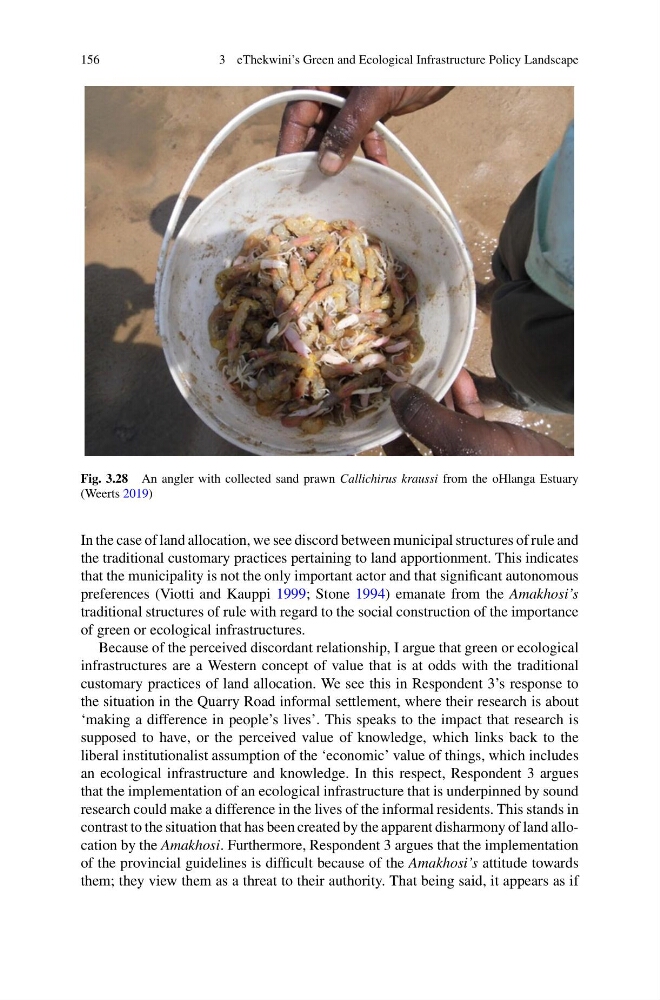
Fig. 3.28 An angler with collected sand prawn Callichirus kraussi from the oHlanga Estuary
(Weerts 2019)
In the case of land allocation, we see discord between municipal structures of rule and
the traditional customary practices pertaining to land apportionment. This indicates
that the municipality is not the only important actor and that significant autonomous
preferences (Viotti and Kauppi 1999; Stone 1994) emanate from the Amakhosi’s
traditional structures of rule with regard to the social construction of the importance
of green or ecological infrastructures.
Because of the perceived discordant relationship, I argue that green or ecological
infrastructures are a Western concept of value that is at odds with the traditional
customary practices of land allocation. We see this in Respondent 3’s response to
the situation in the Quarry Road informal settlement, where their research is about
‘making a difference in people’s lives’. This speaks to the impact that research is
supposed to have, or the perceived value of knowledge, which links back to the
liberal institutionalist assumption of the ‘economic’ value of things, which includes
an ecological infrastructure and knowledge. In this respect, Respondent 3 argues
that the implementation of an ecological infrastructure that is underpinned by sound
research could make a difference in the lives of the informal residents. This stands in
contrast to the situation that has been created by the apparent disharmony of land allocation by the Amakhosi. Furthermore, Respondent 3 argues that the implementation
of the provincial guidelines is difficult because of the Amakhosi’s attitude towards
them; they view them as a threat to their authority. That being said, it appears as if
3 eThekwini’s Green and Ecological Infrastructure Policy Landscape
Fig. 3.28 An angler with collected sand prawn Callichirus kraussi from the oHlanga Estuary
(Weerts 2019)
In the case of land allocation, we see discord between municipal structures of rule and
the traditional customary practices pertaining to land apportionment. This indicates
that the municipality is not the only important actor and that significant autonomous
preferences (Viotti and Kauppi 1999; Stone 1994) emanate from the Amakhosi’s
traditional structures of rule with regard to the social construction of the importance
of green or ecological infrastructures.
Because of the perceived discordant relationship, I argue that green or ecological
infrastructures are a Western concept of value that is at odds with the traditional
customary practices of land allocation. We see this in Respondent 3’s response to
the situation in the Quarry Road informal settlement, where their research is about
‘making a difference in people’s lives’. This speaks to the impact that research is
supposed to have, or the perceived value of knowledge, which links back to the
liberal institutionalist assumption of the ‘economic’ value of things, which includes
an ecological infrastructure and knowledge. In this respect, Respondent 3 argues
that the implementation of an ecological infrastructure that is underpinned by sound
research could make a difference in the lives of the informal residents. This stands in
contrast to the situation that has been created by the apparent disharmony of land allocation by the Amakhosi. Furthermore, Respondent 3 argues that the implementation
of the provincial guidelines is difficult because of the Amakhosi’s attitude towards
them; they view them as a threat to their authority. That being said, it appears as if