

16 Topological Mechanochemistry of Graphene
293
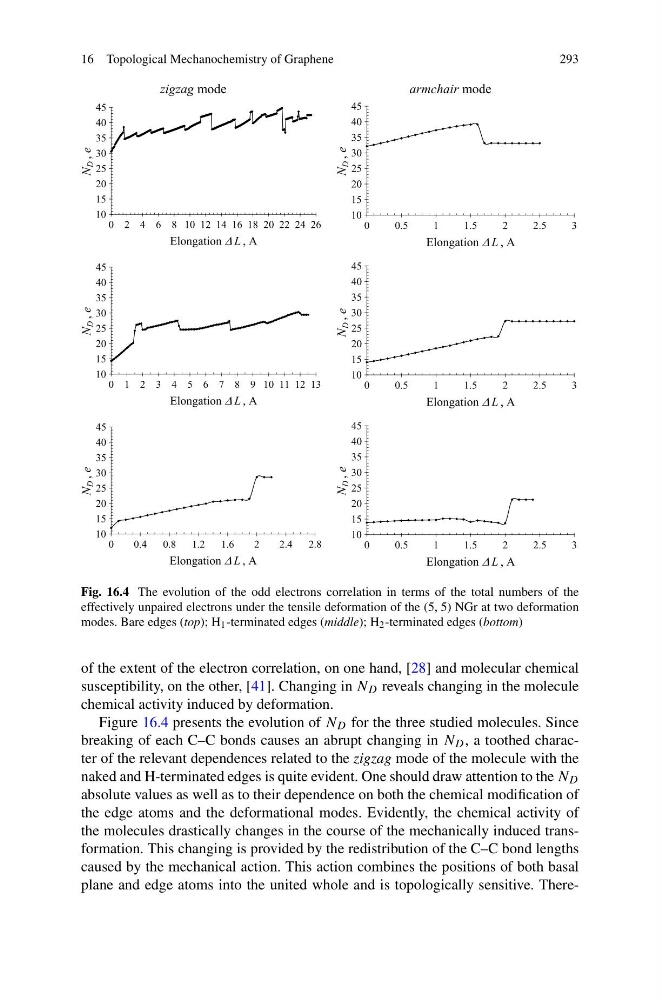
Fig. 16.4 The evolution of the odd electrons correlation in terms of the total numbers of the
effectively unpaired electrons under the tensile deformation of the (5, 5) NGr at two deformation
modes. Bare edges (top); H 1 -terminated edges (middle); H 2 -terminated edges (bottom)
of the extent of the electron correlation, on one hand, [28] and molecular chemical
susceptibility, on the other, [41]. Changing in N D reveals changing in the molecule
chemical activity induced by deformation.
Figure 16.4 presents the evolution of N D for the three studied molecules. Since
breaking of each C–C bonds causes an abrupt changing in N D , a toothed character of the relevant dependences related to the zigzag mode of the molecule with the
naked and H-terminated edges is quite evident. One should draw attention to the N D
absolute values as well as to their dependence on both the chemical modification of
the edge atoms and the deformational modes. Evidently, the chemical activity of
the molecules drastically changes in the course of the mechanically induced transformation. This changing is provided by the redistribution of the C–C bond lengths
caused by the mechanical action. This action combines the positions of both basal
plane and edge atoms into the united whole and is topologically sensitive. There-
293
Fig. 16.4 The evolution of the odd electrons correlation in terms of the total numbers of the
effectively unpaired electrons under the tensile deformation of the (5, 5) NGr at two deformation
modes. Bare edges (top); H 1 -terminated edges (middle); H 2 -terminated edges (bottom)
of the extent of the electron correlation, on one hand, [28] and molecular chemical
susceptibility, on the other, [41]. Changing in N D reveals changing in the molecule
chemical activity induced by deformation.
Figure 16.4 presents the evolution of N D for the three studied molecules. Since
breaking of each C–C bonds causes an abrupt changing in N D , a toothed character of the relevant dependences related to the zigzag mode of the molecule with the
naked and H-terminated edges is quite evident. One should draw attention to the N D
absolute values as well as to their dependence on both the chemical modification of
the edge atoms and the deformational modes. Evidently, the chemical activity of
the molecules drastically changes in the course of the mechanically induced transformation. This changing is provided by the redistribution of the C–C bond lengths
caused by the mechanical action. This action combines the positions of both basal
plane and edge atoms into the united whole and is topologically sensitive. There-