

Long-chain branched polyethylenes can be also obtained by copolymerization of
ethene with ethene oligomers by tandem polymerization in one step [100] or with
ethene/propene oligomers in two steps [101]. In the latter case, polymers are
obtained with crystalline polyethylene backbone chains and amorphic ethene/
propene copolymer side chains [102].
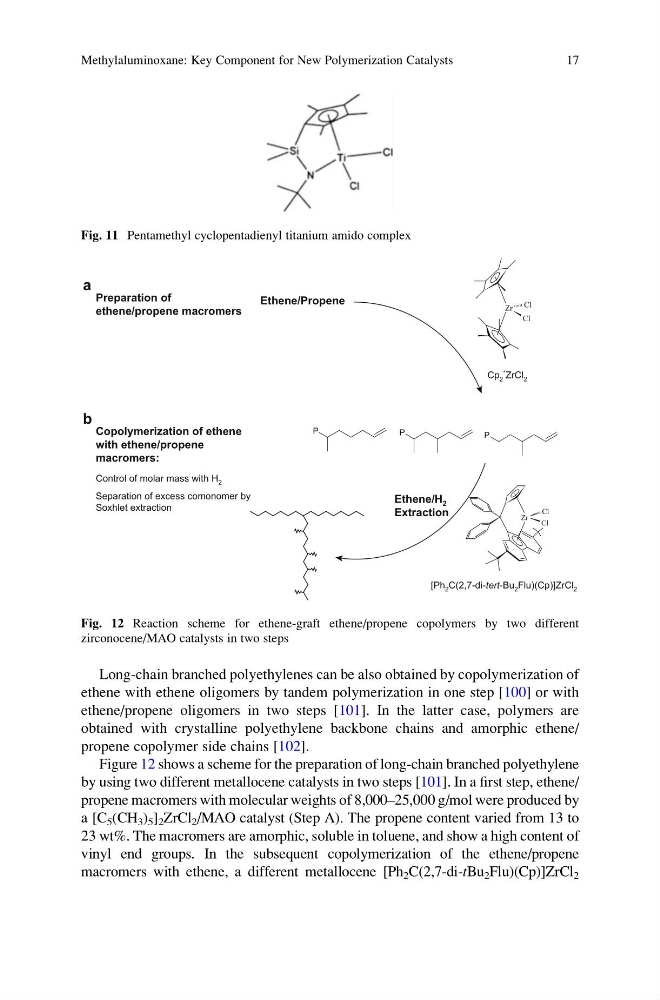
Figure 12 shows a scheme for the preparation of long-chain branched polyethylene
by using two different metallocene catalysts in two steps [101]. In a first step, ethene/
propene macromers with molecular weights of 8,000–25,000 g/mol were produced by
a [C 5 (CH 3 ) 5 ] 2 ZrCl 2 /MAO catalyst (Step A). The propene content varied from 13 to
23 wt%. The macromers are amorphic, soluble in toluene, and show a high content of
vinyl end groups. In the subsequent copolymerization of the ethene/propene
macromers with ethene, a different metallocene [Ph 2 C(2,7-di-tBu 2 Flu)(Cp)]ZrCl 2
Fig. 11 Pentamethyl cyclopentadienyl titanium amido complex
Zr Cl
Cl
Zr
Cl
Cl
Ethene/Propene
Ethene/H 2
Extraction
Cp 2
* ZrCl 2
[Ph 2 C(2,7-di-tert-Bu 2 Flu)(Cp)]ZrCl 2
P
P
P
a
Preparation of
ethene/propene macromers
b
Copolymerization of ethene
with ethene/propene
macromers:
Control of molar mass with H 2
Separation of excess comonomer by
Soxhlet extraction
Fig. 12 Reaction scheme for ethene-graft ethene/propene copolymers by two different
zirconocene/MAO catalysts in two steps
Methylaluminoxane: Key Component for New Polymerization Catalysts
17
ethene with ethene oligomers by tandem polymerization in one step [100] or with
ethene/propene oligomers in two steps [101]. In the latter case, polymers are
obtained with crystalline polyethylene backbone chains and amorphic ethene/
propene copolymer side chains [102].
Figure 12 shows a scheme for the preparation of long-chain branched polyethylene
by using two different metallocene catalysts in two steps [101]. In a first step, ethene/
propene macromers with molecular weights of 8,000–25,000 g/mol were produced by
a [C 5 (CH 3 ) 5 ] 2 ZrCl 2 /MAO catalyst (Step A). The propene content varied from 13 to
23 wt%. The macromers are amorphic, soluble in toluene, and show a high content of
vinyl end groups. In the subsequent copolymerization of the ethene/propene
macromers with ethene, a different metallocene [Ph 2 C(2,7-di-tBu 2 Flu)(Cp)]ZrCl 2
Fig. 11 Pentamethyl cyclopentadienyl titanium amido complex
Zr Cl
Cl
Zr
Cl
Cl
Ethene/Propene
Ethene/H 2
Extraction
Cp 2
* ZrCl 2
[Ph 2 C(2,7-di-tert-Bu 2 Flu)(Cp)]ZrCl 2
P
P
P
a
Preparation of
ethene/propene macromers
b
Copolymerization of ethene
with ethene/propene
macromers:
Control of molar mass with H 2
Separation of excess comonomer by
Soxhlet extraction
Fig. 12 Reaction scheme for ethene-graft ethene/propene copolymers by two different
zirconocene/MAO catalysts in two steps
Methylaluminoxane: Key Component for New Polymerization Catalysts
17