

the polymer microstructure and end groups can reveal the mechanisms involved in
the polymerization process.
The presence of different end-group types indicates that various chain transfer or
isomerization reactions have participated in the polymerization. However, different
mechanisms may produce the same end-group types. In these cases, the response to
the changes in polymerization conditions may be utilized to reveal the reaction
paths. The response to the polymerization temperature, monomer, comonomer,
cocatalyst, and hydrogen concentration depend largely on the metallocene.
End groups of ethylene polymers are much less studied than those of
propylene polymers. Only a handful of studies have been published on the subject
[31, 37, 46, 51, 66, 75].
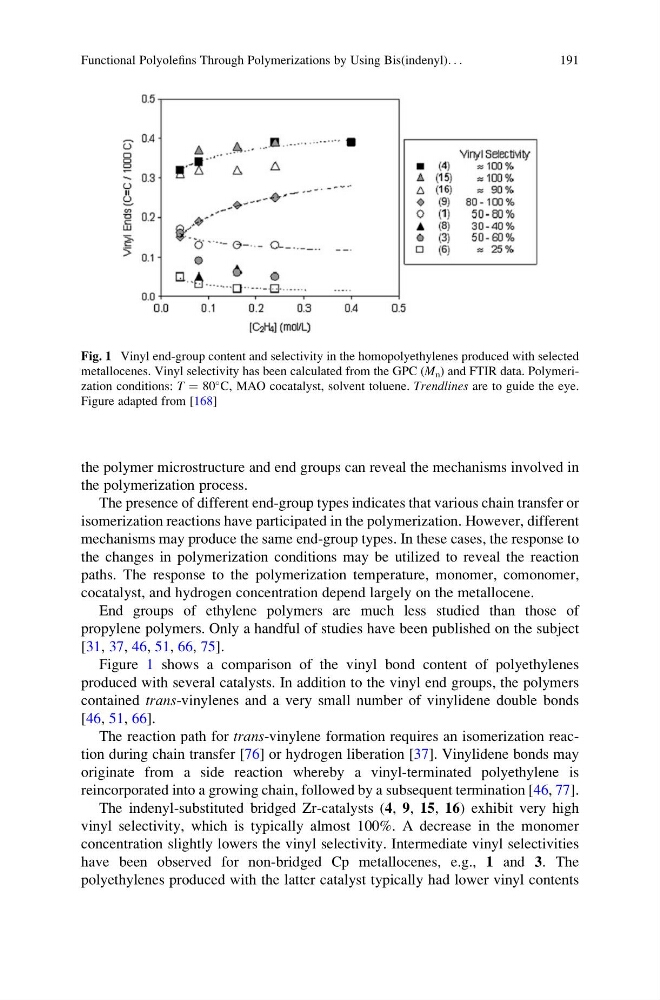
Figure 1 shows a comparison of the vinyl bond content of polyethylenes
produced with several catalysts. In addition to the vinyl end groups, the polymers
contained trans-vinylenes and a very small number of vinylidene double bonds
[46, 51, 66].
The reaction path for trans-vinylene formation requires an isomerization reaction during chain transfer [76] or hydrogen liberation [37]. Vinylidene bonds may
originate from a side reaction whereby a vinyl-terminated polyethylene is
reincorporated into a growing chain, followed by a subsequent termination [46, 77].
The indenyl-substituted bridged Zr-catalysts (4, 9, 15, 16) exhibit very high
vinyl selectivity, which is typically almost 100%. A decrease in the monomer
concentration slightly lowers the vinyl selectivity. Intermediate vinyl selectivities
have been observed for non-bridged Cp metallocenes, e.g., 1 and 3. The
polyethylenes produced with the latter catalyst typically had lower vinyl contents
Fig. 1 Vinyl end-group content and selectivity in the homopolyethylenes produced with selected
metallocenes. Vinyl selectivity has been calculated from the GPC (M n ) and FTIR data. Polymerization conditions: T ¼ 80
C, MAO cocatalyst, solvent toluene. Trendlines are to guide the eye.
Figure adapted from [168]
Functional Polyolefins Through Polymerizations by Using Bis(indenyl). . .
191
the polymerization process.
The presence of different end-group types indicates that various chain transfer or
isomerization reactions have participated in the polymerization. However, different
mechanisms may produce the same end-group types. In these cases, the response to
the changes in polymerization conditions may be utilized to reveal the reaction
paths. The response to the polymerization temperature, monomer, comonomer,
cocatalyst, and hydrogen concentration depend largely on the metallocene.
End groups of ethylene polymers are much less studied than those of
propylene polymers. Only a handful of studies have been published on the subject
[31, 37, 46, 51, 66, 75].
Figure 1 shows a comparison of the vinyl bond content of polyethylenes
produced with several catalysts. In addition to the vinyl end groups, the polymers
contained trans-vinylenes and a very small number of vinylidene double bonds
[46, 51, 66].
The reaction path for trans-vinylene formation requires an isomerization reaction during chain transfer [76] or hydrogen liberation [37]. Vinylidene bonds may
originate from a side reaction whereby a vinyl-terminated polyethylene is
reincorporated into a growing chain, followed by a subsequent termination [46, 77].
The indenyl-substituted bridged Zr-catalysts (4, 9, 15, 16) exhibit very high
vinyl selectivity, which is typically almost 100%. A decrease in the monomer
concentration slightly lowers the vinyl selectivity. Intermediate vinyl selectivities
have been observed for non-bridged Cp metallocenes, e.g., 1 and 3. The
polyethylenes produced with the latter catalyst typically had lower vinyl contents
Fig. 1 Vinyl end-group content and selectivity in the homopolyethylenes produced with selected
metallocenes. Vinyl selectivity has been calculated from the GPC (M n ) and FTIR data. Polymerization conditions: T ¼ 80
C, MAO cocatalyst, solvent toluene. Trendlines are to guide the eye.
Figure adapted from [168]
Functional Polyolefins Through Polymerizations by Using Bis(indenyl). . .
191