

In 1950, Staudinger opened his internal macromolecular colloquium to the
public, converting it into a national polymer conference. Since then his
“Makromolekulares Kolloquium” has turned into one of the largest European
polymer conferences, held annually in the last week of February and attracting
around 800 participants. In 1951, he retired from the University of Freiburg, was
followed by Arthur Lu ¨ttringhaus in organic chemistry, but remained the managing
director of his independent Institute for Macromolecular Chemistry until 1956. All
his attempts to bring a Max Planck Institute for polymer research to Freiburg had
failed. Hence, he was somewhat frustrated when he retired. Known for his very
strong personality and his extremely low level of tolerance regarding opinions
deviating from his own, Staudinger’s rule in the institute and the chemical laboratory resembled that of an ancient warlord.
In the aftermath of Staudinger’s Nobel Prize of 1953, his successor Elfriede
Husemann (affectionately called “Husefrau”) was awarded the new chair for
macromolecular chemistry, which was installed in 1956 when the institute was
finally reintegrated into the University of Freiburg. In contrast to Staudinger,
Husemann was open-minded, accepting and responding to different views from
different people and different scientific disciplines. In 1962, under her leadership,
the institute moved to a new building located in the nearby Stefan-Meier-Strasse 31.
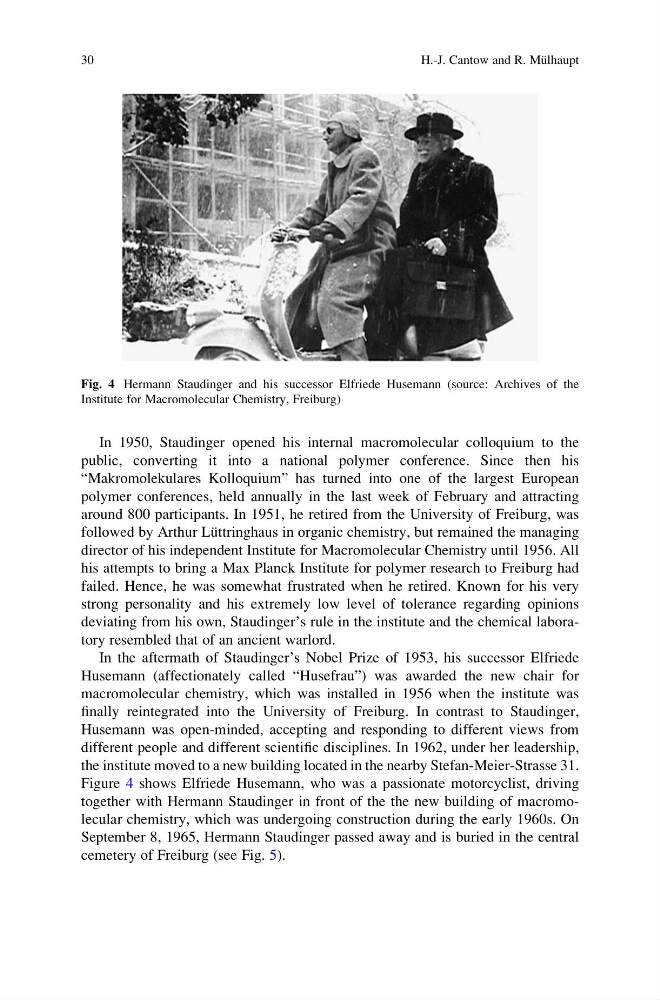
Figure 4 shows Elfriede Husemann, who was a passionate motorcyclist, driving
together with Hermann Staudinger in front of the the new building of macromolecular chemistry, which was undergoing construction during the early 1960s. On
September 8, 1965, Hermann Staudinger passed away and is buried in the central
cemetery of Freiburg (see Fig. 5).
Fig. 4 Hermann Staudinger and his successor Elfriede Husemann (source: Archives of the
Institute for Macromolecular Chemistry, Freiburg)
30
H.-J. Cantow and R. Mu ¨lhaupt
public, converting it into a national polymer conference. Since then his
“Makromolekulares Kolloquium” has turned into one of the largest European
polymer conferences, held annually in the last week of February and attracting
around 800 participants. In 1951, he retired from the University of Freiburg, was
followed by Arthur Lu ¨ttringhaus in organic chemistry, but remained the managing
director of his independent Institute for Macromolecular Chemistry until 1956. All
his attempts to bring a Max Planck Institute for polymer research to Freiburg had
failed. Hence, he was somewhat frustrated when he retired. Known for his very
strong personality and his extremely low level of tolerance regarding opinions
deviating from his own, Staudinger’s rule in the institute and the chemical laboratory resembled that of an ancient warlord.
In the aftermath of Staudinger’s Nobel Prize of 1953, his successor Elfriede
Husemann (affectionately called “Husefrau”) was awarded the new chair for
macromolecular chemistry, which was installed in 1956 when the institute was
finally reintegrated into the University of Freiburg. In contrast to Staudinger,
Husemann was open-minded, accepting and responding to different views from
different people and different scientific disciplines. In 1962, under her leadership,
the institute moved to a new building located in the nearby Stefan-Meier-Strasse 31.
Figure 4 shows Elfriede Husemann, who was a passionate motorcyclist, driving
together with Hermann Staudinger in front of the the new building of macromolecular chemistry, which was undergoing construction during the early 1960s. On
September 8, 1965, Hermann Staudinger passed away and is buried in the central
cemetery of Freiburg (see Fig. 5).
Fig. 4 Hermann Staudinger and his successor Elfriede Husemann (source: Archives of the
Institute for Macromolecular Chemistry, Freiburg)
30
H.-J. Cantow and R. Mu ¨lhaupt