

6.3.3 Heuristic Comparison of Valency and Symmetry Features Shared
by Atoms and Spheroidal Nanomodules
At the picoscale level, valence shell electron pair repulsion (VSEPR) theory is a
widely recognized theoretical model that proposes the geometric arrangement of
terminal atoms or groups of atoms surrounding a central atom in a covalent
compound or charged ion. The concept is based solely on the repulsion of the
electron pairs present in the valence shell of the central atom. The premise of
VSEPR is that the valence electron pairs surrounding an atom mutually repel each
other and therefore adopt an arrangement that minimizes this repulsion. In essence,
the utilization of space by the valence electrons surrounding the central atom is
defined by these charge repulsion events and ultimately determines the shape and
molecular geometry of the resulting bonded structure. The number of electron pairs
surrounding an atom, both bonding and non-bonding, is called its steric number.
VSEPR theory mainly involves predicting the arrangement of electron pairs surrounding one or more central atoms in a molecule that are bonded to two or more
other atoms. The geometry of these central atoms in turn determines the ultimate
architecture or shape of the structure [166], as shown in Fig. 23a.
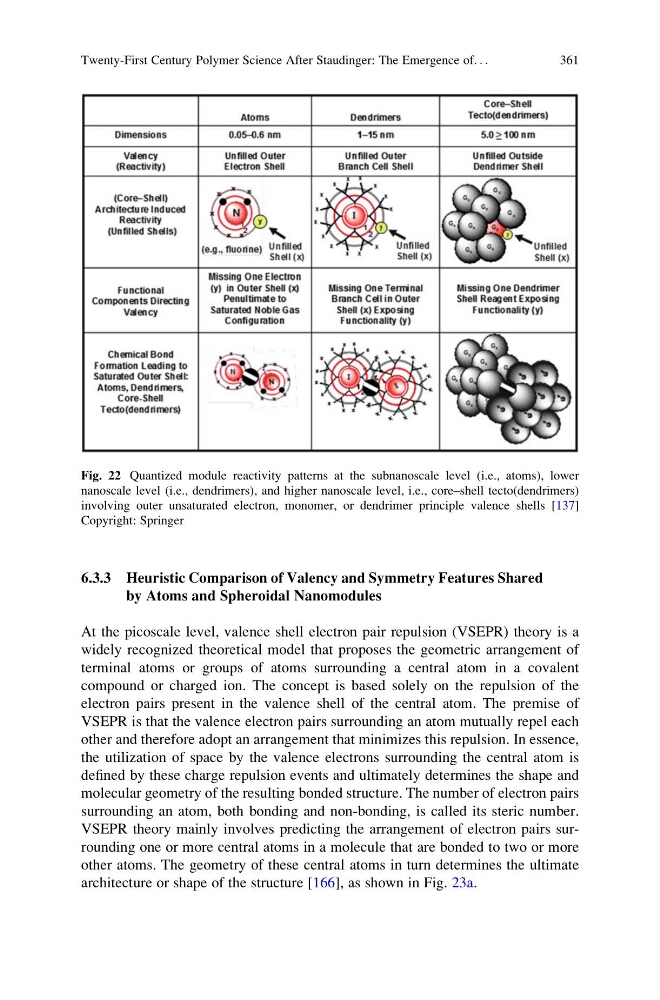
Fig. 22 Quantized module reactivity patterns at the subnanoscale level (i.e., atoms), lower
nanoscale level (i.e., dendrimers), and higher nanoscale level, i.e., core–shell tecto(dendrimers)
involving outer unsaturated electron, monomer, or dendrimer principle valence shells [137]
Copyright: Springer
Twenty-First Century Polymer Science After Staudinger: The Emergence of. . .
361
by Atoms and Spheroidal Nanomodules
At the picoscale level, valence shell electron pair repulsion (VSEPR) theory is a
widely recognized theoretical model that proposes the geometric arrangement of
terminal atoms or groups of atoms surrounding a central atom in a covalent
compound or charged ion. The concept is based solely on the repulsion of the
electron pairs present in the valence shell of the central atom. The premise of
VSEPR is that the valence electron pairs surrounding an atom mutually repel each
other and therefore adopt an arrangement that minimizes this repulsion. In essence,
the utilization of space by the valence electrons surrounding the central atom is
defined by these charge repulsion events and ultimately determines the shape and
molecular geometry of the resulting bonded structure. The number of electron pairs
surrounding an atom, both bonding and non-bonding, is called its steric number.
VSEPR theory mainly involves predicting the arrangement of electron pairs surrounding one or more central atoms in a molecule that are bonded to two or more
other atoms. The geometry of these central atoms in turn determines the ultimate
architecture or shape of the structure [166], as shown in Fig. 23a.
Fig. 22 Quantized module reactivity patterns at the subnanoscale level (i.e., atoms), lower
nanoscale level (i.e., dendrimers), and higher nanoscale level, i.e., core–shell tecto(dendrimers)
involving outer unsaturated electron, monomer, or dendrimer principle valence shells [137]
Copyright: Springer
Twenty-First Century Polymer Science After Staudinger: The Emergence of. . .
361