

routinely as monodisperse modules by chemical means [152, 156–159]. Wilcoxon
et al. [160] have shown that these closed, metal nanocluster, core–shell assemblies
can be isolated, analyzed and characterized using high pressure liquid chromatography (HPLC) methodologies. It is also noteworthy, that these basic hard particle
nanomodules exhibit pervasive nano-periodic self-assembly features by organizing
into giant, self-similar core–shell nanocrystals that are invariant to scaling [154]. Similar nano-periodic, self-assembly properties have also been noted for soft
nanoparticles such as dendrimers [46, 161, 162] and are described later in Sect. 6.6.3.
6.3.2 Heuristic Comparison of Autoreactive Surface Chemistry
Associated with Unsaturated Outer Shells in Atomic Elements
and in Dendrimers
Without the benefit of quantum mechanics or electronic theory, nineteenth century
chemists determined that an atom’s reactivity was associated with electron occupancy levels residing between the shell saturation levels that completed each period
[134, 163, 164]. Furthermore, these elements combined with precise valencies and
stoichiometries to give compounds with predictable combining mass ratios. As
shown in Fig. 20, traditional chemistry recognizes that the noble gas configurations
are associated with inertness due to their saturated outer electron shells. They do not
exhibit any autoreactivity, unlike atomic elements penultimate to the noble gases
that contain unsaturated outer electron shells. As such, halogen elements such as
chlorine exhibit autoreactivity and exist as chlorine atom dimers. It should be noted
in the far right column that ideal dendrimer structures (i.e., G ¼ 1–5) possessing
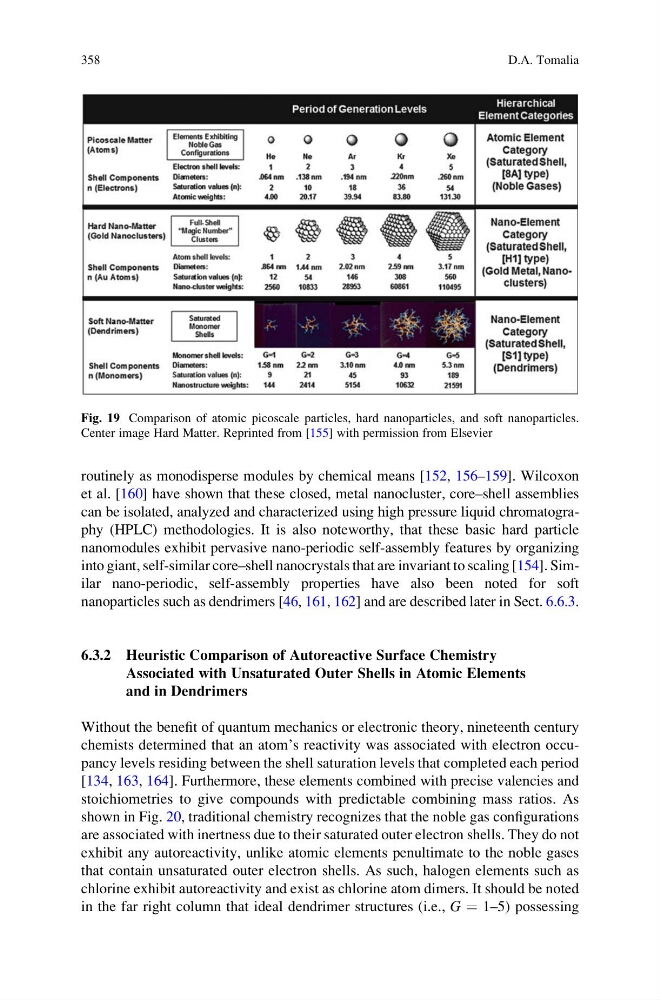
Fig. 19 Comparison of atomic picoscale particles, hard nanoparticles, and soft nanoparticles.
Center image Hard Matter. Reprinted from [155] with permission from Elsevier
358
D.A. Tomalia
et al. [160] have shown that these closed, metal nanocluster, core–shell assemblies
can be isolated, analyzed and characterized using high pressure liquid chromatography (HPLC) methodologies. It is also noteworthy, that these basic hard particle
nanomodules exhibit pervasive nano-periodic self-assembly features by organizing
into giant, self-similar core–shell nanocrystals that are invariant to scaling [154]. Similar nano-periodic, self-assembly properties have also been noted for soft
nanoparticles such as dendrimers [46, 161, 162] and are described later in Sect. 6.6.3.
6.3.2 Heuristic Comparison of Autoreactive Surface Chemistry
Associated with Unsaturated Outer Shells in Atomic Elements
and in Dendrimers
Without the benefit of quantum mechanics or electronic theory, nineteenth century
chemists determined that an atom’s reactivity was associated with electron occupancy levels residing between the shell saturation levels that completed each period
[134, 163, 164]. Furthermore, these elements combined with precise valencies and
stoichiometries to give compounds with predictable combining mass ratios. As
shown in Fig. 20, traditional chemistry recognizes that the noble gas configurations
are associated with inertness due to their saturated outer electron shells. They do not
exhibit any autoreactivity, unlike atomic elements penultimate to the noble gases
that contain unsaturated outer electron shells. As such, halogen elements such as
chlorine exhibit autoreactivity and exist as chlorine atom dimers. It should be noted
in the far right column that ideal dendrimer structures (i.e., G ¼ 1–5) possessing
Fig. 19 Comparison of atomic picoscale particles, hard nanoparticles, and soft nanoparticles.
Center image Hard Matter. Reprinted from [155] with permission from Elsevier
358
D.A. Tomalia