

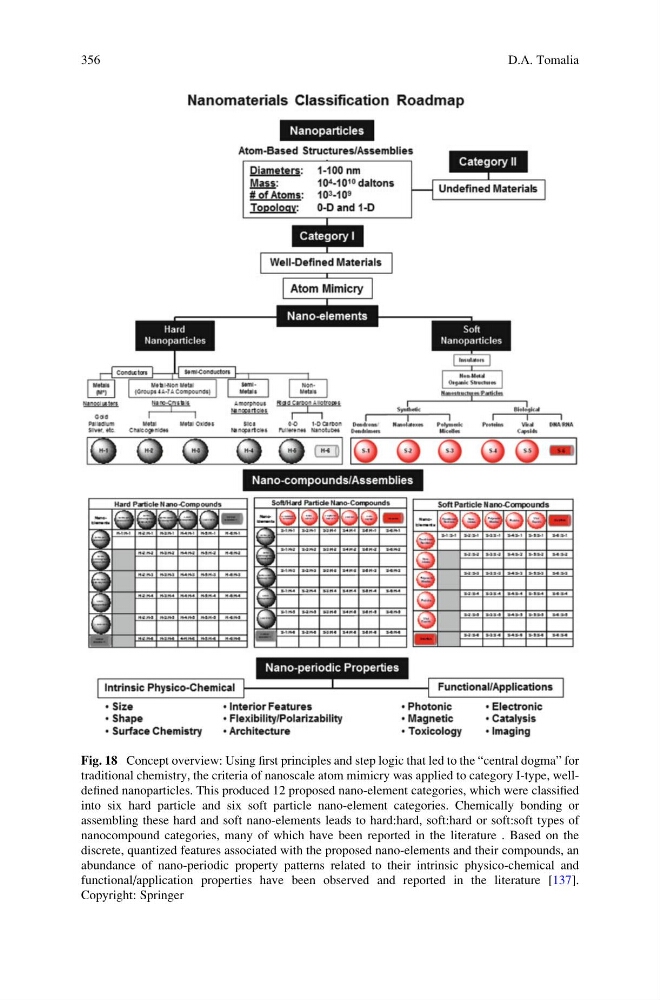
Fig. 18 Concept overview: Using first principles and step logic that led to the “central dogma” for
traditional chemistry, the criteria of nanoscale atom mimicry was applied to category I-type, welldefined nanoparticles. This produced 12 proposed nano-element categories, which were classified
into six hard particle and six soft particle nano-element categories. Chemically bonding or
assembling these hard and soft nano-elements leads to hard:hard, soft:hard or soft:soft types of
nanocompound categories, many of which have been reported in the literature . Based on the
discrete, quantized features associated with the proposed nano-elements and their compounds, an
abundance of nano-periodic property patterns related to their intrinsic physico-chemical and
functional/application properties have been observed and reported in the literature [137].
Copyright: Springer
356
D.A. Tomalia
traditional chemistry, the criteria of nanoscale atom mimicry was applied to category I-type, welldefined nanoparticles. This produced 12 proposed nano-element categories, which were classified
into six hard particle and six soft particle nano-element categories. Chemically bonding or
assembling these hard and soft nano-elements leads to hard:hard, soft:hard or soft:soft types of
nanocompound categories, many of which have been reported in the literature . Based on the
discrete, quantized features associated with the proposed nano-elements and their compounds, an
abundance of nano-periodic property patterns related to their intrinsic physico-chemical and
functional/application properties have been observed and reported in the literature [137].
Copyright: Springer
356
D.A. Tomalia