

formed by the introduction of covalent (bridging) bonds between linear or branched
polymeric topologies. These crosslinked (bridged) topologies were studied by Flory
in the early 1940s and constitute the second major area of traditional polymer
chemistry, namely, thermosets. These two broad areas of polymer science
(i.e., thermoplastics and thermosets) account for billions of dollars of commerce
and constitute a vast array of familiar macromolecular compositions and applications,
as shown in Fig. 5.
Historically, even 50 years after Staudinger’s introduction of the macromolecular hypothesis, the entire field of polymer science was viewed to consist of only the
two major architectural classes: (1) linear topologies as found in thermoplastics and
(2) crosslinked architectures as found in thermosets. The major focus of polymer
science during the time frame spanning the 1920s to the 1970s was on unique
architecturally driven properties manifested by either linear or crosslinked topologies. Based on the unique properties exhibited by these synthetic topologies, it was
possible to replace many natural polymers crucial to the World War II effort. This
combination of availability and properties were of utmost strategic importance [21].
During the 1960s and 1970s, pioneering investigation into long chain branching
(LCB) involving polyolefins and other related branched systems began to emerge
[22, 23]. More recently, intense commercial interest has been focused on new
polyolefin architectures based on random long branched and dendritic topologies
[24, 25]. These architectures are reportedly produced by “metallocene” and
“Brookhart-type” catalysts. By the end of the 1970s, there were three major
architectural polymer classes and commercial commodities associated with these
topologies, as described chronologically in Fig. 6.
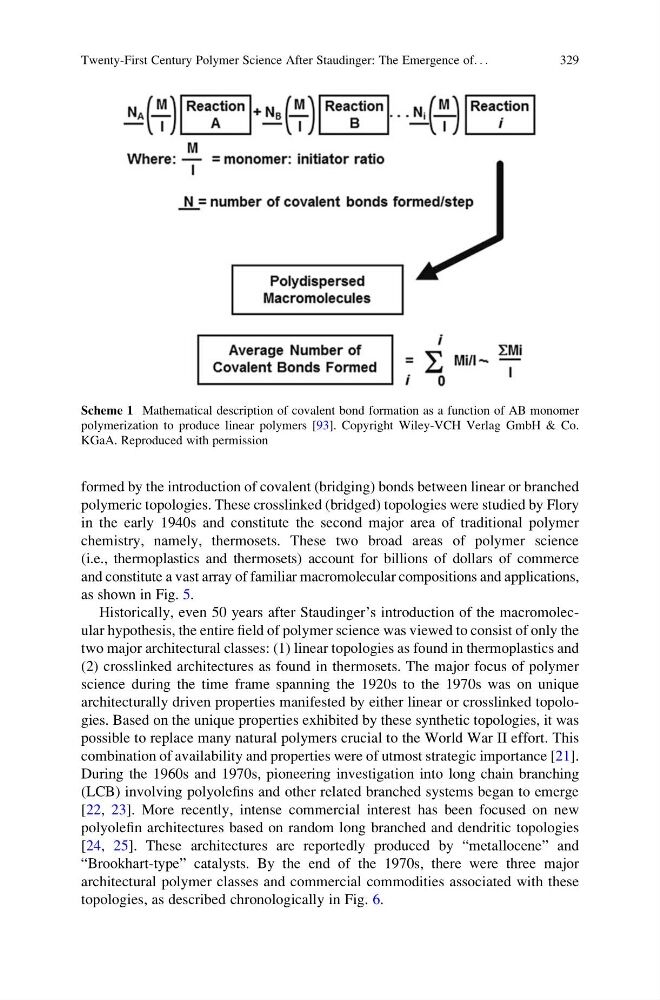
Scheme 1 Mathematical description of covalent bond formation as a function of AB monomer
polymerization to produce linear polymers [93]. Copyright Wiley-VCH Verlag GmbH & Co.
KGaA. Reproduced with permission
Twenty-First Century Polymer Science After Staudinger: The Emergence of. . .
329
polymeric topologies. These crosslinked (bridged) topologies were studied by Flory
in the early 1940s and constitute the second major area of traditional polymer
chemistry, namely, thermosets. These two broad areas of polymer science
(i.e., thermoplastics and thermosets) account for billions of dollars of commerce
and constitute a vast array of familiar macromolecular compositions and applications,
as shown in Fig. 5.
Historically, even 50 years after Staudinger’s introduction of the macromolecular hypothesis, the entire field of polymer science was viewed to consist of only the
two major architectural classes: (1) linear topologies as found in thermoplastics and
(2) crosslinked architectures as found in thermosets. The major focus of polymer
science during the time frame spanning the 1920s to the 1970s was on unique
architecturally driven properties manifested by either linear or crosslinked topologies. Based on the unique properties exhibited by these synthetic topologies, it was
possible to replace many natural polymers crucial to the World War II effort. This
combination of availability and properties were of utmost strategic importance [21].
During the 1960s and 1970s, pioneering investigation into long chain branching
(LCB) involving polyolefins and other related branched systems began to emerge
[22, 23]. More recently, intense commercial interest has been focused on new
polyolefin architectures based on random long branched and dendritic topologies
[24, 25]. These architectures are reportedly produced by “metallocene” and
“Brookhart-type” catalysts. By the end of the 1970s, there were three major
architectural polymer classes and commercial commodities associated with these
topologies, as described chronologically in Fig. 6.
Scheme 1 Mathematical description of covalent bond formation as a function of AB monomer
polymerization to produce linear polymers [93]. Copyright Wiley-VCH Verlag GmbH & Co.
KGaA. Reproduced with permission
Twenty-First Century Polymer Science After Staudinger: The Emergence of. . .
329