

dendrimersome containing hydrophobic and hydrophilic dyes (Fig. 13c)
[128]. These glycodendrimersomes are nontoxic to cells and can be used for the
delivery of cancer drugs [128]. Their size can be predetermined by the concentration of the solution injected. Last by not least, because the structure of their bilayer
in the bulk state is similar to that of the bilayer in the dendrimersome, their
mechanical properties and dimensions can be predicted with an extraordinary
accuracy from X-ray diffraction experiments [129].
8 Glycodendrimersomes as Mimics of Biological
Membranes
The glycolipids and glycoproteins from the surface of biological membrane form
the glycan ligands responsible for the interaction of cellular membranes with sugarbinding proteins known as lectins and galectins, as well as with other receptors.
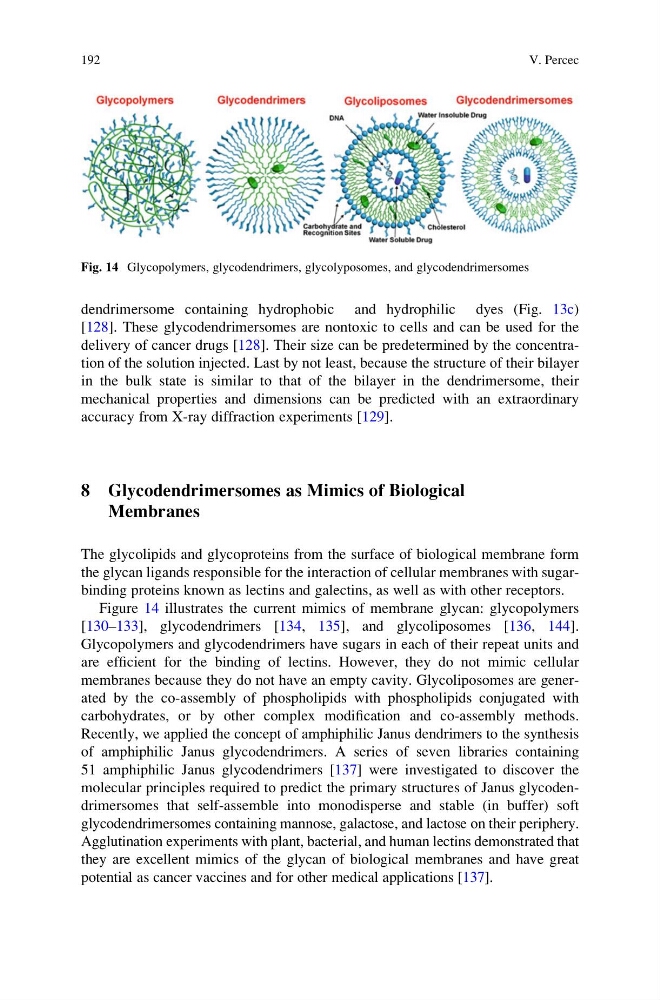
Figure 14 illustrates the current mimics of membrane glycan: glycopolymers
[130–133], glycodendrimers [134, 135], and glycoliposomes [136, 144].
Glycopolymers and glycodendrimers have sugars in each of their repeat units and
are efficient for the binding of lectins. However, they do not mimic cellular
membranes because they do not have an empty cavity. Glycoliposomes are generated by the co-assembly of phospholipids with phospholipids conjugated with
carbohydrates, or by other complex modification and co-assembly methods.
Recently, we applied the concept of amphiphilic Janus dendrimers to the synthesis
of amphiphilic Janus glycodendrimers. A series of seven libraries containing
51 amphiphilic Janus glycodendrimers [137] were investigated to discover the
molecular principles required to predict the primary structures of Janus glycodendrimersomes that self-assemble into monodisperse and stable (in buffer) soft
glycodendrimersomes containing mannose, galactose, and lactose on their periphery.
Agglutination experiments with plant, bacterial, and human lectins demonstrated that
they are excellent mimics of the glycan of biological membranes and have great
potential as cancer vaccines and for other medical applications [137].
Fig. 14 Glycopolymers, glycodendrimers, glycolyposomes, and glycodendrimersomes
192
V. Percec
[128]. These glycodendrimersomes are nontoxic to cells and can be used for the
delivery of cancer drugs [128]. Their size can be predetermined by the concentration of the solution injected. Last by not least, because the structure of their bilayer
in the bulk state is similar to that of the bilayer in the dendrimersome, their
mechanical properties and dimensions can be predicted with an extraordinary
accuracy from X-ray diffraction experiments [129].
8 Glycodendrimersomes as Mimics of Biological
Membranes
The glycolipids and glycoproteins from the surface of biological membrane form
the glycan ligands responsible for the interaction of cellular membranes with sugarbinding proteins known as lectins and galectins, as well as with other receptors.
Figure 14 illustrates the current mimics of membrane glycan: glycopolymers
[130–133], glycodendrimers [134, 135], and glycoliposomes [136, 144].
Glycopolymers and glycodendrimers have sugars in each of their repeat units and
are efficient for the binding of lectins. However, they do not mimic cellular
membranes because they do not have an empty cavity. Glycoliposomes are generated by the co-assembly of phospholipids with phospholipids conjugated with
carbohydrates, or by other complex modification and co-assembly methods.
Recently, we applied the concept of amphiphilic Janus dendrimers to the synthesis
of amphiphilic Janus glycodendrimers. A series of seven libraries containing
51 amphiphilic Janus glycodendrimers [137] were investigated to discover the
molecular principles required to predict the primary structures of Janus glycodendrimersomes that self-assemble into monodisperse and stable (in buffer) soft
glycodendrimersomes containing mannose, galactose, and lactose on their periphery.
Agglutination experiments with plant, bacterial, and human lectins demonstrated that
they are excellent mimics of the glycan of biological membranes and have great
potential as cancer vaccines and for other medical applications [137].
Fig. 14 Glycopolymers, glycodendrimers, glycolyposomes, and glycodendrimersomes
192
V. Percec