

2.6 Surface Modification
We have described how a step-by-step addition of oppositely charged PEL can
improve the quality of flocculation. A possible flocculation mechanism is described
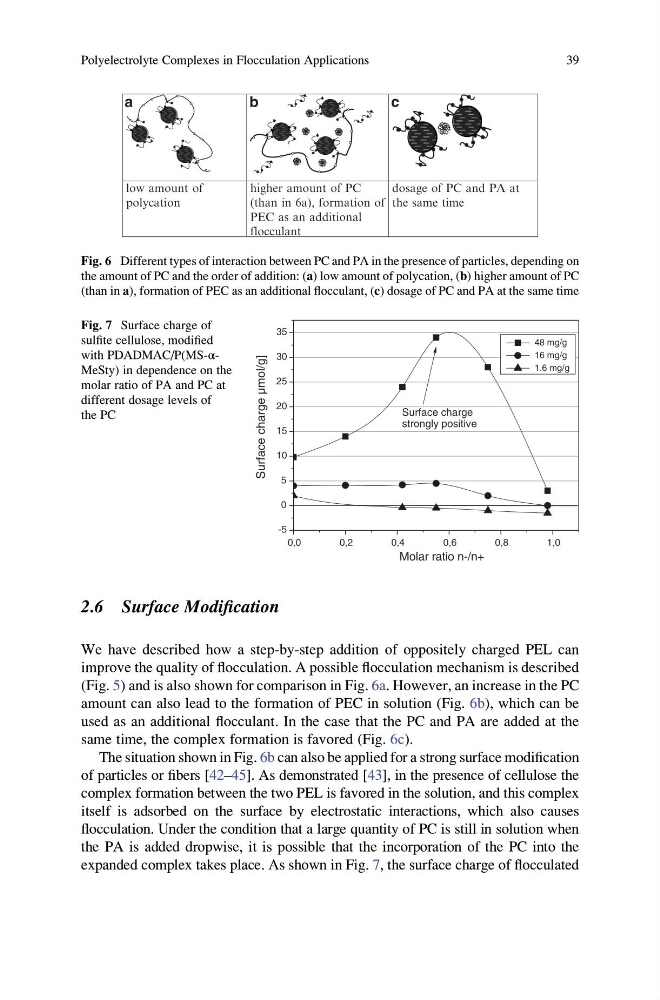
(Fig. 5) and is also shown for comparison in Fig. 6a. However, an increase in the PC
amount can also lead to the formation of PEC in solution (Fig. 6b), which can be
used as an additional flocculant. In the case that the PC and PA are added at the
same time, the complex formation is favored (Fig. 6c).
The situation shown in Fig. 6b can also be applied for a strong surface modification
of particles or fibers [42–45]. As demonstrated [43], in the presence of cellulose the
complex formation between the two PEL is favored in the solution, and this complex
itself is adsorbed on the surface by electrostatic interactions, which also causes
flocculation. Under the condition that a large quantity of PC is still in solution when
the PA is added dropwise, it is possible that the incorporation of the PC into the
expanded complex takes place. As shown in Fig. 7, the surface charge of flocculated
low amount of
polycation
a
c
b
higher amount of PC
(than in 6a), formation of
PEC as an additional
flocculant
dosage of PC and PA at
the same time
+
+
+
-
-
-
-
+
+
+
+
-
-
-
-
+
+
+
+
-
-
-
-
+
+
+
+
-
-
-
-
+
+
+
+
-
-
-
-
+
-
-
-
-
Fig. 6 Different types of interaction between PC and PA in the presence of particles, depending on
the amount of PC and the order of addition: (a) low amount of polycation, (b) higher amount of PC
(than in a), formation of PEC as an additional flocculant, (c) dosage of PC and PA at the same time
0,0
0,2
0,4
0,6
0,8
1,0
-5
0
5
10
15
20
25
30
35
Surface charge µmol/g]
Molar ratio n-/n+
48 mg/g
16 mg/g
1.6 mg/g
Surface charge
strongly positive
Fig. 7 Surface charge of
sulfite cellulose, modified
with PDADMAC/P(MS-αMeSty) in dependence on the
molar ratio of PA and PC at
different dosage levels of
the PC
Polyelectrolyte Complexes in Flocculation Applications
39
We have described how a step-by-step addition of oppositely charged PEL can
improve the quality of flocculation. A possible flocculation mechanism is described
(Fig. 5) and is also shown for comparison in Fig. 6a. However, an increase in the PC
amount can also lead to the formation of PEC in solution (Fig. 6b), which can be
used as an additional flocculant. In the case that the PC and PA are added at the
same time, the complex formation is favored (Fig. 6c).
The situation shown in Fig. 6b can also be applied for a strong surface modification
of particles or fibers [42–45]. As demonstrated [43], in the presence of cellulose the
complex formation between the two PEL is favored in the solution, and this complex
itself is adsorbed on the surface by electrostatic interactions, which also causes
flocculation. Under the condition that a large quantity of PC is still in solution when
the PA is added dropwise, it is possible that the incorporation of the PC into the
expanded complex takes place. As shown in Fig. 7, the surface charge of flocculated
low amount of
polycation
a
c
b
higher amount of PC
(than in 6a), formation of
PEC as an additional
flocculant
dosage of PC and PA at
the same time
+
+
+
-
-
-
-
+
+
+
+
-
-
-
-
+
+
+
+
-
-
-
-
+
+
+
+
-
-
-
-
+
+
+
+
-
-
-
-
+
-
-
-
-
Fig. 6 Different types of interaction between PC and PA in the presence of particles, depending on
the amount of PC and the order of addition: (a) low amount of polycation, (b) higher amount of PC
(than in a), formation of PEC as an additional flocculant, (c) dosage of PC and PA at the same time
0,0
0,2
0,4
0,6
0,8
1,0
-5
0
5
10
15
20
25
30
35
Surface charge µmol/g]
Molar ratio n-/n+
48 mg/g
16 mg/g
1.6 mg/g
Surface charge
strongly positive
Fig. 7 Surface charge of
sulfite cellulose, modified
with PDADMAC/P(MS-αMeSty) in dependence on the
molar ratio of PA and PC at
different dosage levels of
the PC
Polyelectrolyte Complexes in Flocculation Applications
39