

thermal insulators [15, 67–77]. In this case, the most important morphological
feature of silica gels protected during drying is their extended mesoporosity. Due
to the enhanced thermal stability of their architecture, cryogel-derived Al 2 O 3
nanopowders can be used as excellent catalyst supports for high temperature
chemical reactions [75, 76].
The growing importance of photovoltaic applications has attracted attention to
TiO 2 cryogels. Along with TiO 2 hydrogels prepared by the hydrolysis of TiCl 4 ,
titanium butoxides, and propoxides [77, 78], titania nanoparticles can also be
obtained by acid leaching of BaTiO 3 [79, 80]. Careful selection of leaching
conditions allows preparation of TiO 2 anatase or rutile polymorphs. Moreover,
the relatively high density of TiO 2 nanoparticles, which complicates their application in E-ink displays, can be reduced by the cryogel synthesis of hollow TiO 2
nanospheres [78]. For this purpose, hydrated TiO 2 is precipitated on the surface of
poly(methyl methacrylate) or poly(butyl acrylate) spheres and, after freeze-drying,
the polymer core is removed by firing. Figure 3 shows SEM images of such TiO 2
hollow spheres prepared by oven- and freeze-drying [78]. Many broken spheres
appear after oven drying but the cryogel synthesis method significantly reduces the
number of damaged spheres.
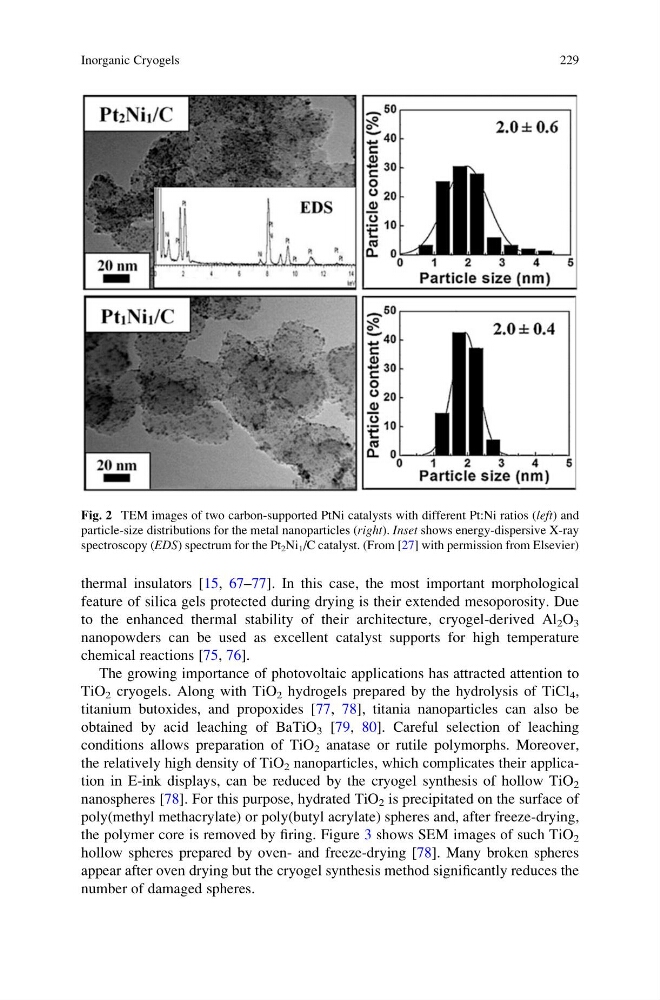
Fig. 2 TEM images of two carbon-supported PtNi catalysts with different Pt:Ni ratios (left) and
particle-size distributions for the metal nanoparticles (right). Inset shows energy-dispersive X-ray
spectroscopy (EDS) spectrum for the Pt 2 Ni 1 /C catalyst. (From [27] with permission from Elsevier)
Inorganic Cryogels
229
feature of silica gels protected during drying is their extended mesoporosity. Due
to the enhanced thermal stability of their architecture, cryogel-derived Al 2 O 3
nanopowders can be used as excellent catalyst supports for high temperature
chemical reactions [75, 76].
The growing importance of photovoltaic applications has attracted attention to
TiO 2 cryogels. Along with TiO 2 hydrogels prepared by the hydrolysis of TiCl 4 ,
titanium butoxides, and propoxides [77, 78], titania nanoparticles can also be
obtained by acid leaching of BaTiO 3 [79, 80]. Careful selection of leaching
conditions allows preparation of TiO 2 anatase or rutile polymorphs. Moreover,
the relatively high density of TiO 2 nanoparticles, which complicates their application in E-ink displays, can be reduced by the cryogel synthesis of hollow TiO 2
nanospheres [78]. For this purpose, hydrated TiO 2 is precipitated on the surface of
poly(methyl methacrylate) or poly(butyl acrylate) spheres and, after freeze-drying,
the polymer core is removed by firing. Figure 3 shows SEM images of such TiO 2
hollow spheres prepared by oven- and freeze-drying [78]. Many broken spheres
appear after oven drying but the cryogel synthesis method significantly reduces the
number of damaged spheres.
Fig. 2 TEM images of two carbon-supported PtNi catalysts with different Pt:Ni ratios (left) and
particle-size distributions for the metal nanoparticles (right). Inset shows energy-dispersive X-ray
spectroscopy (EDS) spectrum for the Pt 2 Ni 1 /C catalyst. (From [27] with permission from Elsevier)
Inorganic Cryogels
229