

texture, structure, and organic matter are highly affected by
ENPs. In addition, size and microbial diversity determine the
mobility of ENPs in soil. The small size and high surface
area of NPs allow them to interact with soil microorganisms
and interfere with their normal metabolism. Therefore, it has
strong mobility and antibacterial activity in the soil. Silver NP has growth inhibitory properties with Nitrosomonas
europaea, Nitrosospira multiformis, and Nitrosococcus
oceani (Table 1) (Beddow et al. 2014). Wastewater is a
major source of ZnO NPs, and its applications in agricultural
soil are major causes of soil contamination. However, ENPs
in the environment may undergo photooxidation, dissolution, and sulfidation in a natural way (Ma et al. 2014).
The effect of NPs on soil enzymes is highly variable and
significant depending on the type of soil enzyme. While
phosphatases and urease are soil enzymes related to nutrient
cycling, dehydrogenase activity represents the overall
microbial activity. The Ag NPs negatively affect soil dehydrogenase and urease activities (Shin et al. 2012). In a study
by Sindhura et al. (2014), the green synthesized Zn NPs was
found non-toxic and also enhanced the dehydrogenase and
phosphatase activities. In a study by Josko et al. (2014),
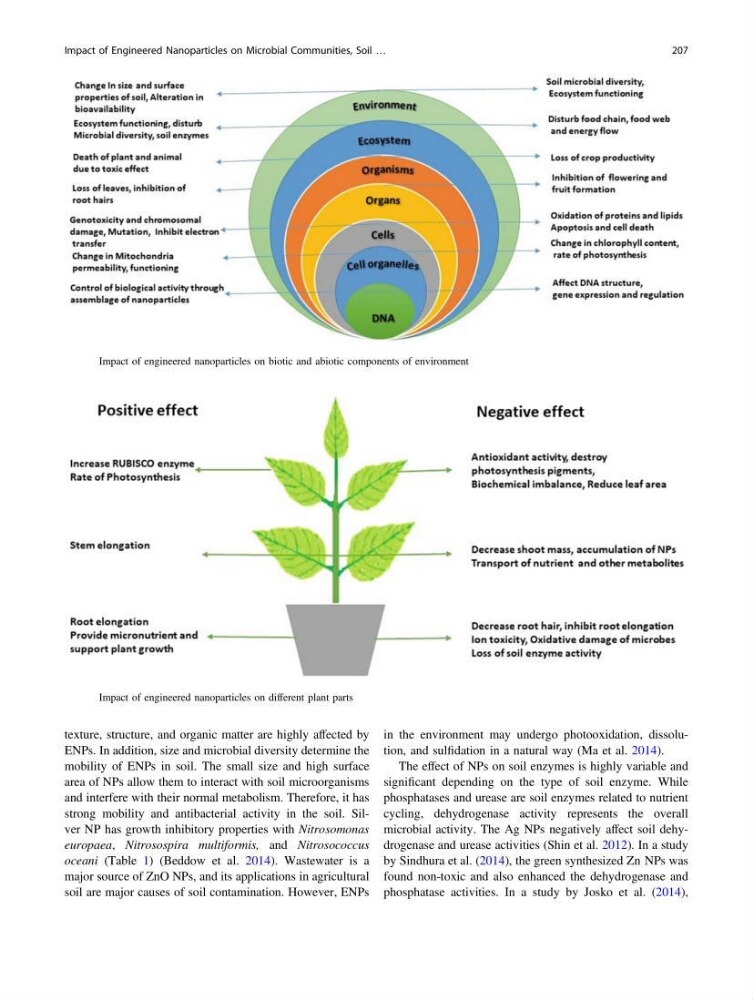
Fig. 2 Impact of engineered nanoparticles on biotic and abiotic components of environment
Fig. 3 Impact of engineered nanoparticles on different plant parts
Impact of Engineered Nanoparticles on Microbial Communities, Soil …
207
ENPs. In addition, size and microbial diversity determine the
mobility of ENPs in soil. The small size and high surface
area of NPs allow them to interact with soil microorganisms
and interfere with their normal metabolism. Therefore, it has
strong mobility and antibacterial activity in the soil. Silver NP has growth inhibitory properties with Nitrosomonas
europaea, Nitrosospira multiformis, and Nitrosococcus
oceani (Table 1) (Beddow et al. 2014). Wastewater is a
major source of ZnO NPs, and its applications in agricultural
soil are major causes of soil contamination. However, ENPs
in the environment may undergo photooxidation, dissolution, and sulfidation in a natural way (Ma et al. 2014).
The effect of NPs on soil enzymes is highly variable and
significant depending on the type of soil enzyme. While
phosphatases and urease are soil enzymes related to nutrient
cycling, dehydrogenase activity represents the overall
microbial activity. The Ag NPs negatively affect soil dehydrogenase and urease activities (Shin et al. 2012). In a study
by Sindhura et al. (2014), the green synthesized Zn NPs was
found non-toxic and also enhanced the dehydrogenase and
phosphatase activities. In a study by Josko et al. (2014),
Fig. 2 Impact of engineered nanoparticles on biotic and abiotic components of environment
Fig. 3 Impact of engineered nanoparticles on different plant parts
Impact of Engineered Nanoparticles on Microbial Communities, Soil …
207