

Origin of Enantioselectivity: A Model Study of Sharpless …
441
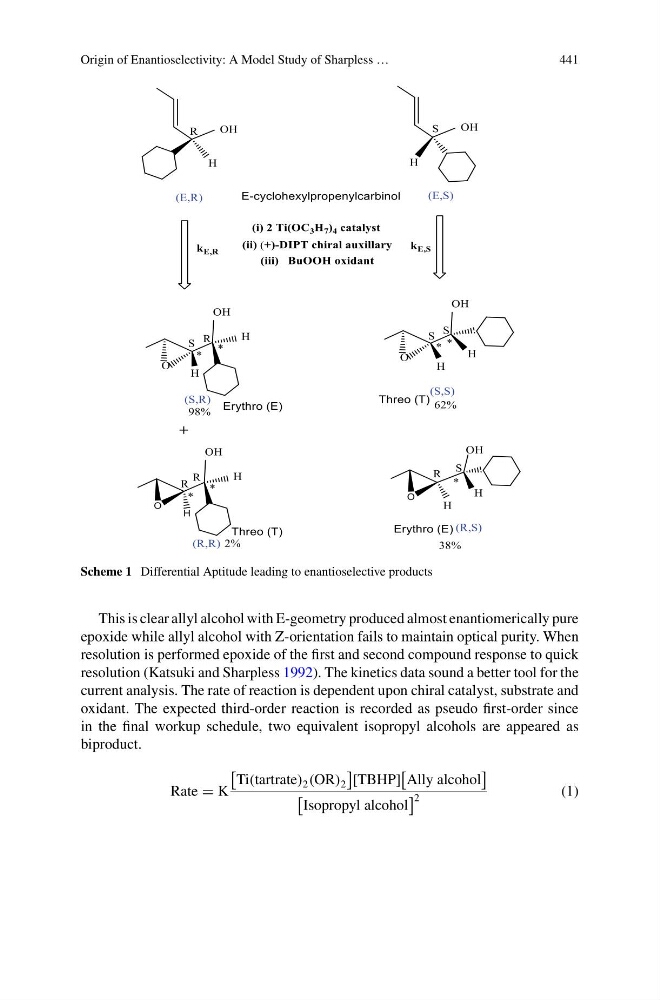
Scheme 1 Differential Aptitude leading to enantioselective products
This is clear allyl alcohol with E-geometry produced almost enantiomerically pure
epoxide while allyl alcohol with Z-orientation fails to maintain optical purity. When
resolution is performed epoxide of the first and second compound response to quick
resolution (Katsuki and Sharpless 1992). The kinetics data sound a better tool for the
current analysis. The rate of reaction is dependent upon chiral catalyst, substrate and
oxidant. The expected third-order reaction is recorded as pseudo first-order since
in the final workup schedule, two equivalent isopropyl alcohols are appeared as
biproduct.
Rate = K
Ti(tartrate) 2 (OR) 2
[TBHP]
Ally alcohol
Isopropyl alcohol
2
(1)
441
Scheme 1 Differential Aptitude leading to enantioselective products
This is clear allyl alcohol with E-geometry produced almost enantiomerically pure
epoxide while allyl alcohol with Z-orientation fails to maintain optical purity. When
resolution is performed epoxide of the first and second compound response to quick
resolution (Katsuki and Sharpless 1992). The kinetics data sound a better tool for the
current analysis. The rate of reaction is dependent upon chiral catalyst, substrate and
oxidant. The expected third-order reaction is recorded as pseudo first-order since
in the final workup schedule, two equivalent isopropyl alcohols are appeared as
biproduct.
Rate = K
Ti(tartrate) 2 (OR) 2
[TBHP]
Ally alcohol
Isopropyl alcohol
2
(1)