

72
3 Single Molecule Non-cleavable Multiply Active Antibacterials
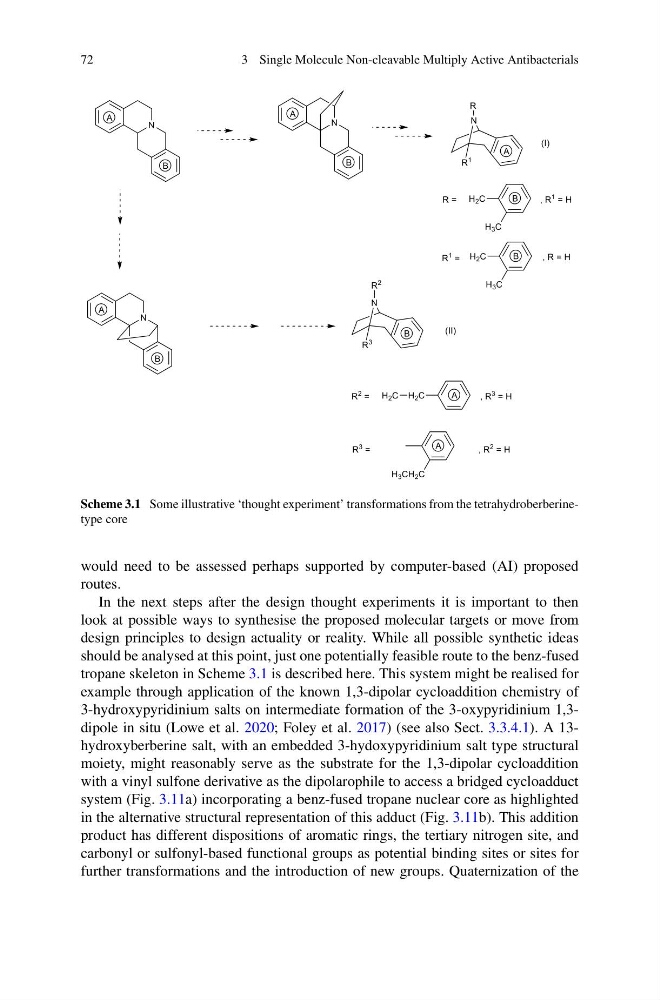
Scheme 3.1 Some illustrative ‘thought experiment’ transformations from the tetrahydroberberinetype core
would need to be assessed perhaps supported by computer-based (AI) proposed
routes.
In the next steps after the design thought experiments it is important to then
look at possible ways to synthesise the proposed molecular targets or move from
design principles to design actuality or reality. While all possible synthetic ideas
should be analysed at this point, just one potentially feasible route to the benz-fused
tropane skeleton in Scheme 3.1 is described here. This system might be realised for
example through application of the known 1,3-dipolar cycloaddition chemistry of
3-hydroxypyridinium salts on intermediate formation of the 3-oxypyridinium 1,3dipole in situ (Lowe et al. 2020; Foley et al. 2017) (see also Sect. 3.3.4.1). A 13hydroxyberberine salt, with an embedded 3-hydoxypyridinium salt type structural
moiety, might reasonably serve as the substrate for the 1,3-dipolar cycloaddition
with a vinyl sulfone derivative as the dipolarophile to access a bridged cycloadduct
system (Fig. 3.11a) incorporating a benz-fused tropane nuclear core as highlighted
in the alternative structural representation of this adduct (Fig. 3.11b). This addition
product has different dispositions of aromatic rings, the tertiary nitrogen site, and
carbonyl or sulfonyl-based functional groups as potential binding sites or sites for
further transformations and the introduction of new groups. Quaternization of the
3 Single Molecule Non-cleavable Multiply Active Antibacterials
Scheme 3.1 Some illustrative ‘thought experiment’ transformations from the tetrahydroberberinetype core
would need to be assessed perhaps supported by computer-based (AI) proposed
routes.
In the next steps after the design thought experiments it is important to then
look at possible ways to synthesise the proposed molecular targets or move from
design principles to design actuality or reality. While all possible synthetic ideas
should be analysed at this point, just one potentially feasible route to the benz-fused
tropane skeleton in Scheme 3.1 is described here. This system might be realised for
example through application of the known 1,3-dipolar cycloaddition chemistry of
3-hydroxypyridinium salts on intermediate formation of the 3-oxypyridinium 1,3dipole in situ (Lowe et al. 2020; Foley et al. 2017) (see also Sect. 3.3.4.1). A 13hydroxyberberine salt, with an embedded 3-hydoxypyridinium salt type structural
moiety, might reasonably serve as the substrate for the 1,3-dipolar cycloaddition
with a vinyl sulfone derivative as the dipolarophile to access a bridged cycloadduct
system (Fig. 3.11a) incorporating a benz-fused tropane nuclear core as highlighted
in the alternative structural representation of this adduct (Fig. 3.11b). This addition
product has different dispositions of aromatic rings, the tertiary nitrogen site, and
carbonyl or sulfonyl-based functional groups as potential binding sites or sites for
further transformations and the introduction of new groups. Quaternization of the