

8
1 Antibacterials
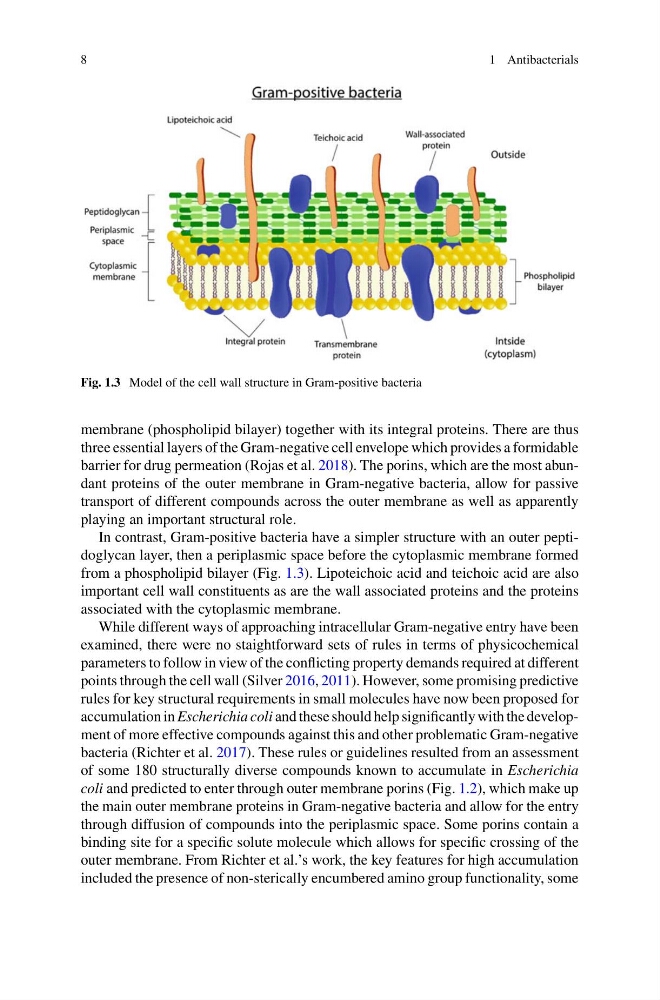
Fig. 1.3 Model of the cell wall structure in Gram-positive bacteria
membrane (phospholipid bilayer) together with its integral proteins. There are thus
three essential layers of the Gram-negative cell envelope which provides a formidable
barrier for drug permeation (Rojas et al. 2018). The porins, which are the most abundant proteins of the outer membrane in Gram-negative bacteria, allow for passive
transport of different compounds across the outer membrane as well as apparently
playing an important structural role.
In contrast, Gram-positive bacteria have a simpler structure with an outer peptidoglycan layer, then a periplasmic space before the cytoplasmic membrane formed
from a phospholipid bilayer (Fig. 1.3). Lipoteichoic acid and teichoic acid are also
important cell wall constituents as are the wall associated proteins and the proteins
associated with the cytoplasmic membrane.
While different ways of approaching intracellular Gram-negative entry have been
examined, there were no staightforward sets of rules in terms of physicochemical
parameters to follow in view of the conflicting property demands required at different
points through the cell wall (Silver 2016, 2011). However, some promising predictive
rules for key structural requirements in small molecules have now been proposed for
accumulation in Escherichia coli and these should help significantly with the development of more effective compounds against this and other problematic Gram-negative
bacteria (Richter et al. 2017). These rules or guidelines resulted from an assessment
of some 180 structurally diverse compounds known to accumulate in Escherichia
coli and predicted to enter through outer membrane porins (Fig. 1.2), which make up
the main outer membrane proteins in Gram-negative bacteria and allow for the entry
through diffusion of compounds into the periplasmic space. Some porins contain a
binding site for a specific solute molecule which allows for specific crossing of the
outer membrane. From Richter et al.’s work, the key features for high accumulation
included the presence of non-sterically encumbered amino group functionality, some
1 Antibacterials
Fig. 1.3 Model of the cell wall structure in Gram-positive bacteria
membrane (phospholipid bilayer) together with its integral proteins. There are thus
three essential layers of the Gram-negative cell envelope which provides a formidable
barrier for drug permeation (Rojas et al. 2018). The porins, which are the most abundant proteins of the outer membrane in Gram-negative bacteria, allow for passive
transport of different compounds across the outer membrane as well as apparently
playing an important structural role.
In contrast, Gram-positive bacteria have a simpler structure with an outer peptidoglycan layer, then a periplasmic space before the cytoplasmic membrane formed
from a phospholipid bilayer (Fig. 1.3). Lipoteichoic acid and teichoic acid are also
important cell wall constituents as are the wall associated proteins and the proteins
associated with the cytoplasmic membrane.
While different ways of approaching intracellular Gram-negative entry have been
examined, there were no staightforward sets of rules in terms of physicochemical
parameters to follow in view of the conflicting property demands required at different
points through the cell wall (Silver 2016, 2011). However, some promising predictive
rules for key structural requirements in small molecules have now been proposed for
accumulation in Escherichia coli and these should help significantly with the development of more effective compounds against this and other problematic Gram-negative
bacteria (Richter et al. 2017). These rules or guidelines resulted from an assessment
of some 180 structurally diverse compounds known to accumulate in Escherichia
coli and predicted to enter through outer membrane porins (Fig. 1.2), which make up
the main outer membrane proteins in Gram-negative bacteria and allow for the entry
through diffusion of compounds into the periplasmic space. Some porins contain a
binding site for a specific solute molecule which allows for specific crossing of the
outer membrane. From Richter et al.’s work, the key features for high accumulation
included the presence of non-sterically encumbered amino group functionality, some