

174
5 Future Possibilities
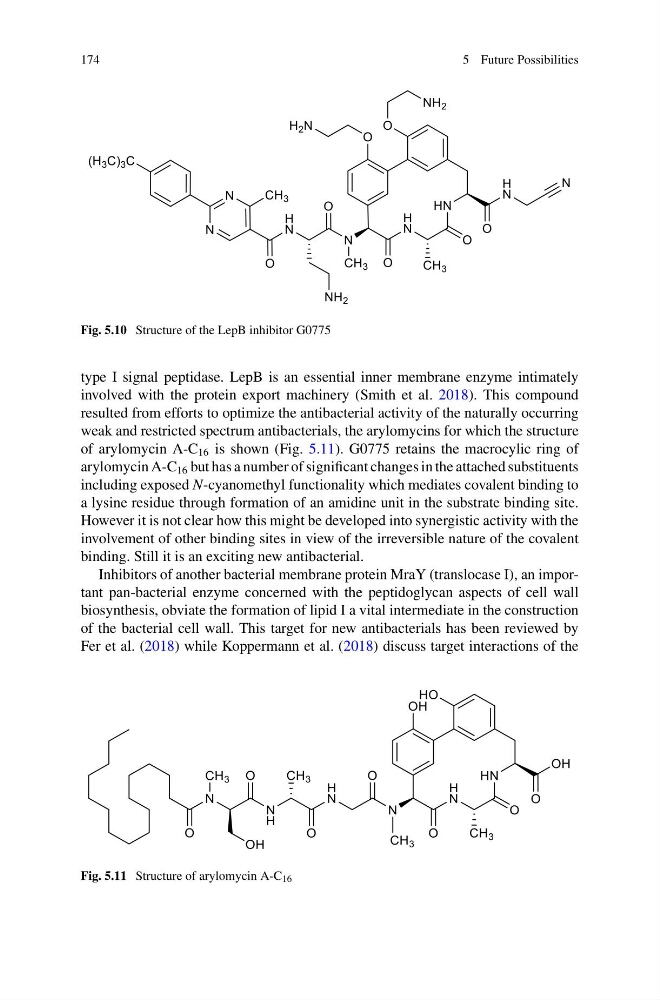
Fig. 5.10 Structure of the LepB inhibitor G0775
type I signal peptidase. LepB is an essential inner membrane enzyme intimately
involved with the protein export machinery (Smith et al. 2018). This compound
resulted from efforts to optimize the antibacterial activity of the naturally occurring
weak and restricted spectrum antibacterials, the arylomycins for which the structure
of arylomycin A-C 16 is shown (Fig. 5.11). G0775 retains the macrocylic ring of
arylomycin A-C 16 but has a number of significant changes in the attached substituents
including exposed N-cyanomethyl functionality which mediates covalent binding to
a lysine residue through formation of an amidine unit in the substrate binding site.
However it is not clear how this might be developed into synergistic activity with the
involvement of other binding sites in view of the irreversible nature of the covalent
binding. Still it is an exciting new antibacterial.
Inhibitors of another bacterial membrane protein MraY (translocase I), an important pan-bacterial enzyme concerned with the peptidoglycan aspects of cell wall
biosynthesis, obviate the formation of lipid I a vital intermediate in the construction
of the bacterial cell wall. This target for new antibacterials has been reviewed by
Fer et al. (2018) while Koppermann et al. (2018) discuss target interactions of the
Fig. 5.11 Structure of arylomycin A-C 16
5 Future Possibilities
Fig. 5.10 Structure of the LepB inhibitor G0775
type I signal peptidase. LepB is an essential inner membrane enzyme intimately
involved with the protein export machinery (Smith et al. 2018). This compound
resulted from efforts to optimize the antibacterial activity of the naturally occurring
weak and restricted spectrum antibacterials, the arylomycins for which the structure
of arylomycin A-C 16 is shown (Fig. 5.11). G0775 retains the macrocylic ring of
arylomycin A-C 16 but has a number of significant changes in the attached substituents
including exposed N-cyanomethyl functionality which mediates covalent binding to
a lysine residue through formation of an amidine unit in the substrate binding site.
However it is not clear how this might be developed into synergistic activity with the
involvement of other binding sites in view of the irreversible nature of the covalent
binding. Still it is an exciting new antibacterial.
Inhibitors of another bacterial membrane protein MraY (translocase I), an important pan-bacterial enzyme concerned with the peptidoglycan aspects of cell wall
biosynthesis, obviate the formation of lipid I a vital intermediate in the construction
of the bacterial cell wall. This target for new antibacterials has been reviewed by
Fer et al. (2018) while Koppermann et al. (2018) discuss target interactions of the
Fig. 5.11 Structure of arylomycin A-C 16