

4.2 Image Processing in Multi-tag Movement
127
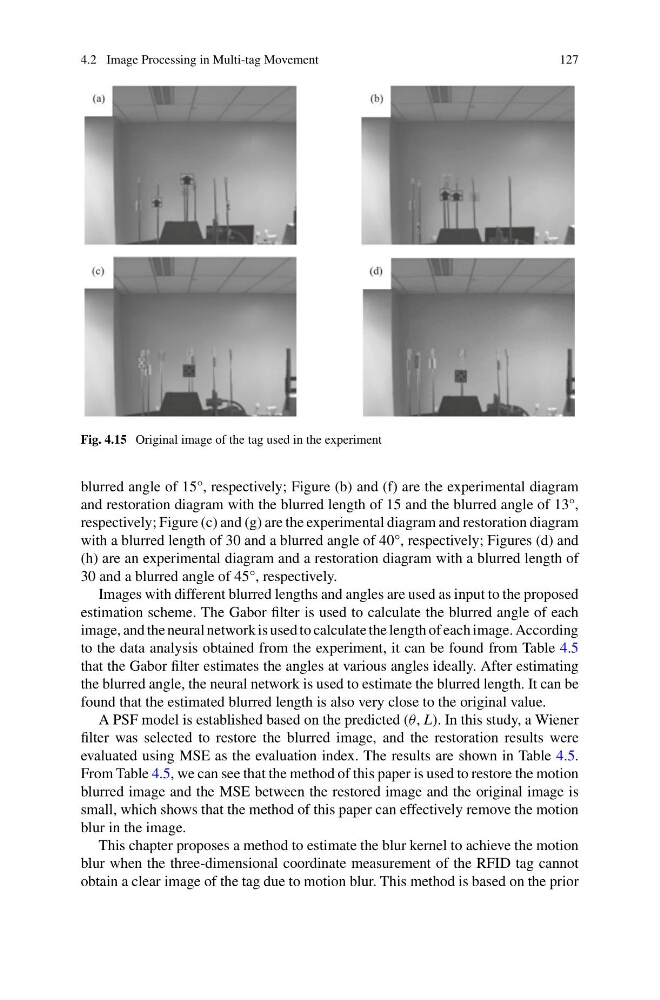
Fig. 4.15 Original image of the tag used in the experiment
blurred angle of 15°, respectively; Figure (b) and (f) are the experimental diagram
and restoration diagram with the blurred length of 15 and the blurred angle of 13°,
respectively; Figure (c) and (g) are the experimental diagram and restoration diagram
with a blurred length of 30 and a blurred angle of 40°, respectively; Figures (d) and
(h) are an experimental diagram and a restoration diagram with a blurred length of
30 and a blurred angle of 45°, respectively.
Images with different blurred lengths and angles are used as input to the proposed
estimation scheme. The Gabor filter is used to calculate the blurred angle of each
image, and the neural network is used to calculate the length of each image. According
to the data analysis obtained from the experiment, it can be found from Table 4.5
that the Gabor filter estimates the angles at various angles ideally. After estimating
the blurred angle, the neural network is used to estimate the blurred length. It can be
found that the estimated blurred length is also very close to the original value.
A PSF model is established based on the predicted (θ, L). In this study, a Wiener
filter was selected to restore the blurred image, and the restoration results were
evaluated using MSE as the evaluation index. The results are shown in Table 4.5.
From Table 4.5, we can see that the method of this paper is used to restore the motion
blurred image and the MSE between the restored image and the original image is
small, which shows that the method of this paper can effectively remove the motion
blur in the image.
This chapter proposes a method to estimate the blur kernel to achieve the motion
blur when the three-dimensional coordinate measurement of the RFID tag cannot
obtain a clear image of the tag due to motion blur. This method is based on the prior
127
Fig. 4.15 Original image of the tag used in the experiment
blurred angle of 15°, respectively; Figure (b) and (f) are the experimental diagram
and restoration diagram with the blurred length of 15 and the blurred angle of 13°,
respectively; Figure (c) and (g) are the experimental diagram and restoration diagram
with a blurred length of 30 and a blurred angle of 40°, respectively; Figures (d) and
(h) are an experimental diagram and a restoration diagram with a blurred length of
30 and a blurred angle of 45°, respectively.
Images with different blurred lengths and angles are used as input to the proposed
estimation scheme. The Gabor filter is used to calculate the blurred angle of each
image, and the neural network is used to calculate the length of each image. According
to the data analysis obtained from the experiment, it can be found from Table 4.5
that the Gabor filter estimates the angles at various angles ideally. After estimating
the blurred angle, the neural network is used to estimate the blurred length. It can be
found that the estimated blurred length is also very close to the original value.
A PSF model is established based on the predicted (θ, L). In this study, a Wiener
filter was selected to restore the blurred image, and the restoration results were
evaluated using MSE as the evaluation index. The results are shown in Table 4.5.
From Table 4.5, we can see that the method of this paper is used to restore the motion
blurred image and the MSE between the restored image and the original image is
small, which shows that the method of this paper can effectively remove the motion
blur in the image.
This chapter proposes a method to estimate the blur kernel to achieve the motion
blur when the three-dimensional coordinate measurement of the RFID tag cannot
obtain a clear image of the tag due to motion blur. This method is based on the prior