

56
3 Experimental Methods in Characterization of Nanosystems
as competent cooperation partners of the operators of a specialty characterization
instruments.
Since dozens of books are available of each single characterization technique to
be mentioned later, this overview cannot offer more than a basic introduction by
clarifying a few crucial features of some techniques that give the reader a sufficient
basis for further autodidactic self-improvement. The focus will be on the essential
qualitative understanding, the elemental interaction mechanism of the instruments
with the object to be studied and the nature of information to be gained. For detailed
information on the study of sample properties, two general [1, 2] and one specific
electrodeposition-related [3] handbooks are recommended.
3.2 Non-destructive Analysis Methods with Irradiation
3.2.1 Classification of the Irradiation-Based Methods
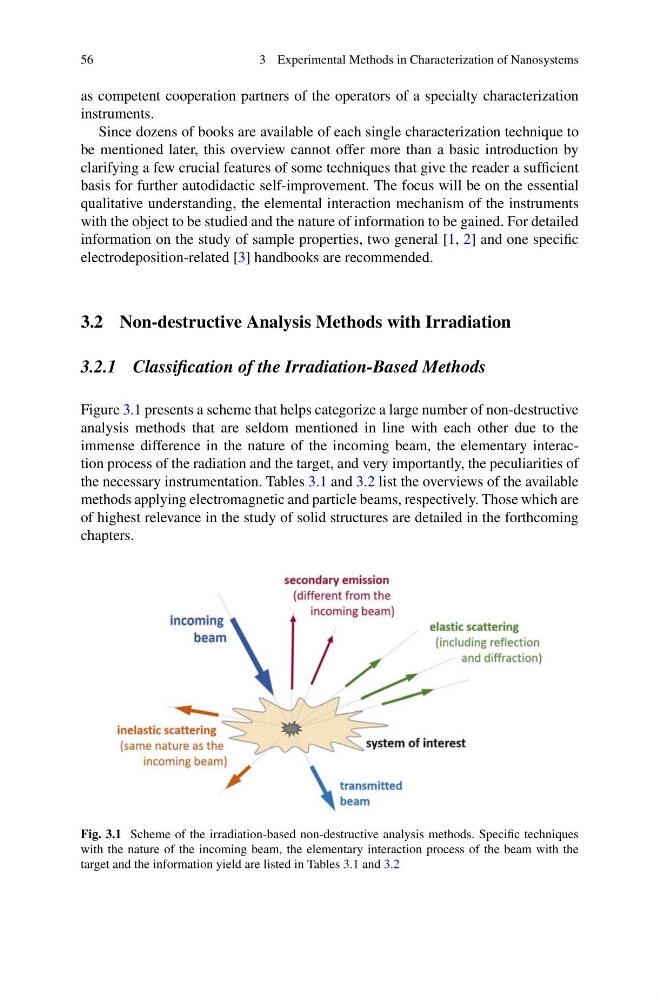
Figure 3.1 presents a scheme that helps categorize a large number of non-destructive
analysis methods that are seldom mentioned in line with each other due to the
immense difference in the nature of the incoming beam, the elementary interaction process of the radiation and the target, and very importantly, the peculiarities of
the necessary instrumentation. Tables 3.1 and 3.2 list the overviews of the available
methods applying electromagnetic and particle beams, respectively. Those which are
of highest relevance in the study of solid structures are detailed in the forthcoming
chapters.
Fig. 3.1 Scheme of the irradiation-based non-destructive analysis methods. Specific techniques
with the nature of the incoming beam, the elementary interaction process of the beam with the
target and the information yield are listed in Tables 3.1 and 3.2
3 Experimental Methods in Characterization of Nanosystems
as competent cooperation partners of the operators of a specialty characterization
instruments.
Since dozens of books are available of each single characterization technique to
be mentioned later, this overview cannot offer more than a basic introduction by
clarifying a few crucial features of some techniques that give the reader a sufficient
basis for further autodidactic self-improvement. The focus will be on the essential
qualitative understanding, the elemental interaction mechanism of the instruments
with the object to be studied and the nature of information to be gained. For detailed
information on the study of sample properties, two general [1, 2] and one specific
electrodeposition-related [3] handbooks are recommended.
3.2 Non-destructive Analysis Methods with Irradiation
3.2.1 Classification of the Irradiation-Based Methods
Figure 3.1 presents a scheme that helps categorize a large number of non-destructive
analysis methods that are seldom mentioned in line with each other due to the
immense difference in the nature of the incoming beam, the elementary interaction process of the radiation and the target, and very importantly, the peculiarities of
the necessary instrumentation. Tables 3.1 and 3.2 list the overviews of the available
methods applying electromagnetic and particle beams, respectively. Those which are
of highest relevance in the study of solid structures are detailed in the forthcoming
chapters.
Fig. 3.1 Scheme of the irradiation-based non-destructive analysis methods. Specific techniques
with the nature of the incoming beam, the elementary interaction process of the beam with the
target and the information yield are listed in Tables 3.1 and 3.2