

The Effect of Vibration Exposure on Posterior Lower Limbs …
309
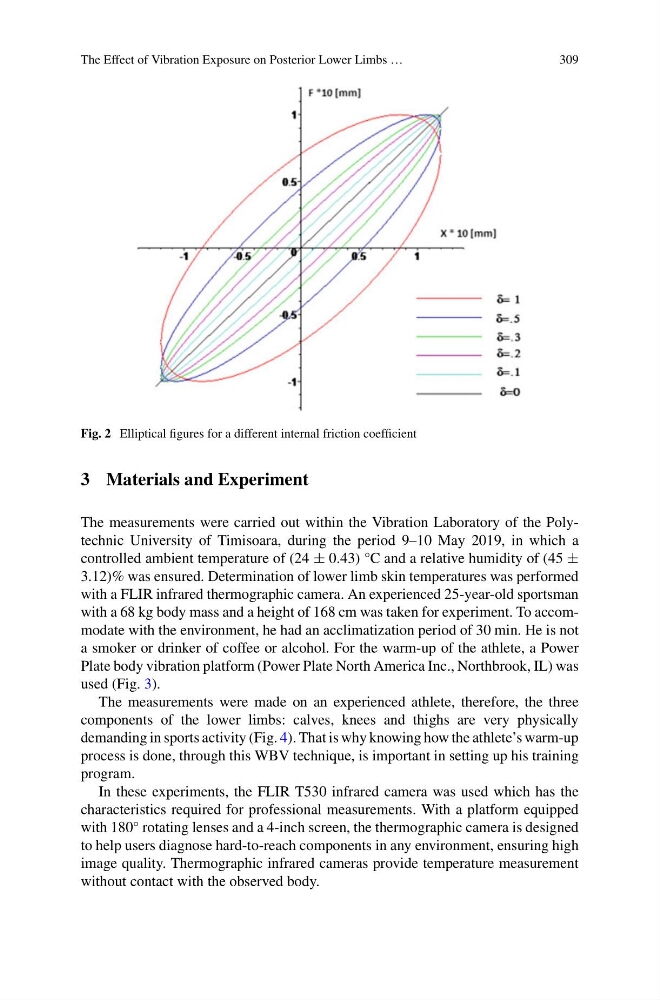
Fig. 2 Elliptical figures for a different internal friction coefficient
3 Materials and Experiment
The measurements were carried out within the Vibration Laboratory of the Polytechnic University of Timisoara, during the period 9–10 May 2019, in which a
controlled ambient temperature of (24 ± 0.43) °C and a relative humidity of (45 ±
3.12)% was ensured. Determination of lower limb skin temperatures was performed
with a FLIR infrared thermographic camera. An experienced 25-year-old sportsman
with a 68 kg body mass and a height of 168 cm was taken for experiment. To accommodate with the environment, he had an acclimatization period of 30 min. He is not
a smoker or drinker of coffee or alcohol. For the warm-up of the athlete, a Power
Plate body vibration platform (Power Plate North America Inc., Northbrook, IL) was
used (Fig. 3).
The measurements were made on an experienced athlete, therefore, the three
components of the lower limbs: calves, knees and thighs are very physically
demanding in sports activity (Fig. 4). That is why knowing how the athlete’s warm-up
process is done, through this WBV technique, is important in setting up his training
program.
In these experiments, the FLIR T530 infrared camera was used which has the
characteristics required for professional measurements. With a platform equipped
with 180° rotating lenses and a 4-inch screen, the thermographic camera is designed
to help users diagnose hard-to-reach components in any environment, ensuring high
image quality. Thermographic infrared cameras provide temperature measurement
without contact with the observed body.
309
Fig. 2 Elliptical figures for a different internal friction coefficient
3 Materials and Experiment
The measurements were carried out within the Vibration Laboratory of the Polytechnic University of Timisoara, during the period 9–10 May 2019, in which a
controlled ambient temperature of (24 ± 0.43) °C and a relative humidity of (45 ±
3.12)% was ensured. Determination of lower limb skin temperatures was performed
with a FLIR infrared thermographic camera. An experienced 25-year-old sportsman
with a 68 kg body mass and a height of 168 cm was taken for experiment. To accommodate with the environment, he had an acclimatization period of 30 min. He is not
a smoker or drinker of coffee or alcohol. For the warm-up of the athlete, a Power
Plate body vibration platform (Power Plate North America Inc., Northbrook, IL) was
used (Fig. 3).
The measurements were made on an experienced athlete, therefore, the three
components of the lower limbs: calves, knees and thighs are very physically
demanding in sports activity (Fig. 4). That is why knowing how the athlete’s warm-up
process is done, through this WBV technique, is important in setting up his training
program.
In these experiments, the FLIR T530 infrared camera was used which has the
characteristics required for professional measurements. With a platform equipped
with 180° rotating lenses and a 4-inch screen, the thermographic camera is designed
to help users diagnose hard-to-reach components in any environment, ensuring high
image quality. Thermographic infrared cameras provide temperature measurement
without contact with the observed body.