

Bioactive Compounds from Medicinal Plants in Myanmar
147
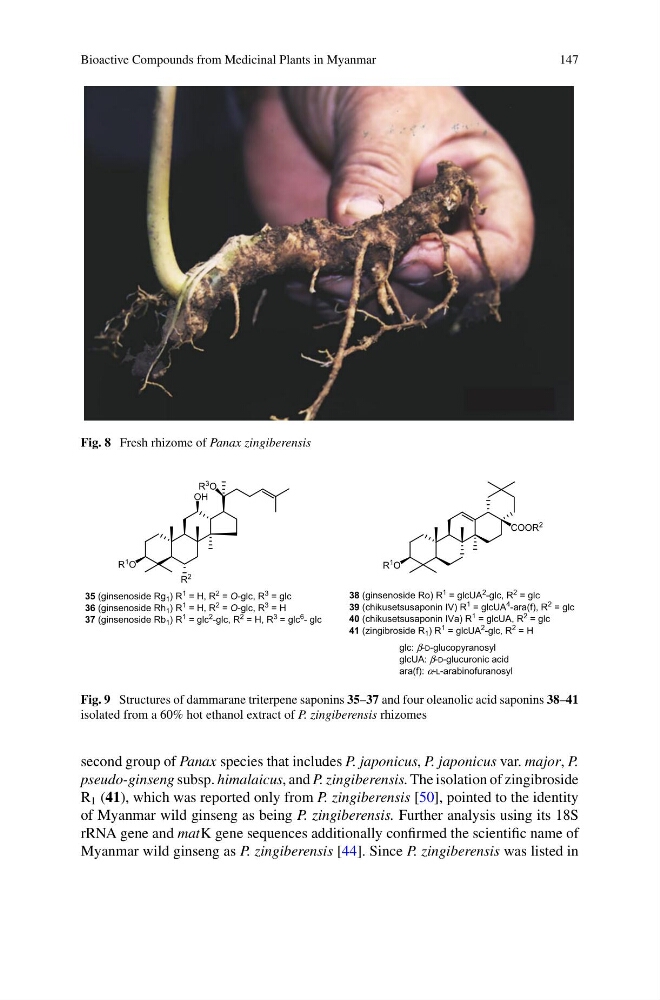
Fig. 8 Fresh rhizome of Panax zingiberensis
R
1 O
OH
R
3 O
R
2
35 (ginsenoside Rg 1 ) R
1 = H, R
2 = O-glc, R
3 = glc
36 (ginsenoside Rh 1 ) R
1 = H, R
2 = O-glc, R
3 = H
37 (ginsenoside Rb 1 ) R
1 = glc
2 -glc, R
2 = H, R
3 = glc
6
- glc
R
1
O
COOR
2
38 (ginsenoside Ro) R
1 = glcUA
2
-glc, R
2 = glc
39 (chikusetsusaponin IV) R
1 = glcUA
4
-ara(f), R
2 = glc
40 (chikusetsusaponin IVa) R
1 = glcUA, R
2 = glc
41 (zingibroside R 1 ) R
1 = glcUA
2 -glc, R
2 = H
glc: β-D-glucopyranosyl
glcUA: β-D-glucuronic acid
ara(f): α-L-arabinofuranosyl
Fig. 9 Structures of dammarane triterpene saponins 35–37 and four oleanolic acid saponins 38–41
isolated from a 60% hot ethanol extract of P. zingiberensis rhizomes
second group of Panax species that includes P. japonicus, P. japonicus var. major, P.
pseudo-ginseng subsp. himalaicus, and P. zingiberensis. The isolation of zingibroside
R 1 (41), which was reported only from P. zingiberensis [50], pointed to the identity
of Myanmar wild ginseng as being P. zingiberensis. Further analysis using its 18S
rRNA gene and matK gene sequences additionally confirmed the scientific name of
Myanmar wild ginseng as P. zingiberensis [44]. Since P. zingiberensis was listed in
147
Fig. 8 Fresh rhizome of Panax zingiberensis
R
1 O
OH
R
3 O
R
2
35 (ginsenoside Rg 1 ) R
1 = H, R
2 = O-glc, R
3 = glc
36 (ginsenoside Rh 1 ) R
1 = H, R
2 = O-glc, R
3 = H
37 (ginsenoside Rb 1 ) R
1 = glc
2 -glc, R
2 = H, R
3 = glc
6
- glc
R
1
O
COOR
2
38 (ginsenoside Ro) R
1 = glcUA
2
-glc, R
2 = glc
39 (chikusetsusaponin IV) R
1 = glcUA
4
-ara(f), R
2 = glc
40 (chikusetsusaponin IVa) R
1 = glcUA, R
2 = glc
41 (zingibroside R 1 ) R
1 = glcUA
2 -glc, R
2 = H
glc: β-D-glucopyranosyl
glcUA: β-D-glucuronic acid
ara(f): α-L-arabinofuranosyl
Fig. 9 Structures of dammarane triterpene saponins 35–37 and four oleanolic acid saponins 38–41
isolated from a 60% hot ethanol extract of P. zingiberensis rhizomes
second group of Panax species that includes P. japonicus, P. japonicus var. major, P.
pseudo-ginseng subsp. himalaicus, and P. zingiberensis. The isolation of zingibroside
R 1 (41), which was reported only from P. zingiberensis [50], pointed to the identity
of Myanmar wild ginseng as being P. zingiberensis. Further analysis using its 18S
rRNA gene and matK gene sequences additionally confirmed the scientific name of
Myanmar wild ginseng as P. zingiberensis [44]. Since P. zingiberensis was listed in