

116
H. Zhu et al.
OAllyl
AllylO
AllylO
O
OH
HOAc
OAllyl
AllylO
AllylO
O
then
aspochalasin B
AllylO
OAllyl
OAllyl
O
HN
O
O
OH
O
AllylO
OAllyl
AllylO
O
HN
O
O
OH
O
+
Pd/C,
HCO 2 NH 4 ,
75%
Pd/C,
HCO 2 NH 4 ,
70%
HO
OH
OH
O
HN
O
O
OH
O
HO
OH
HO
O
HN
O
O
OH
O
O
O
HO
O
HN
O
O
OH
O
K 3 Fe(CN) 6
454 (asperchalasine H)
then
aspochalasin B
455 (asperchalasine A)
OAllyl
O
AllylO
O
OH
1) HOAc, then
aspochalasin B
2) Ph(PPh 3 ) 4 ,
Et 3 SiH, 72%, two steps
HO
O
OH
O
HN
O
O
OH
O
O
OH
HO
O
HN
O
O
OH
O
350 (asperchalasine D)
+
451 (asperchalasine E)
12 : 1
J10
J11
J12
J13
J14
J15
J16
A
B
COOH
O
O
O
65% over
3 steps
O
O
O
O
O
1) BBr 3
2) K 2 CO 3
allyl bromide
83%
OAllyl
AllylO
AllylO
O
O
OH
O
HO
O
O
OAllyl
O
AllylO
O
O
OAllyl
AllylO
AllylO
O
OH
1) BBr 3
2) NaHCO 3 ,
KI, 75%
DIBAL-H
1) K 2 CO 3
allyl bromide
2) DIBAL-H
72%
C
J16
J10
49%
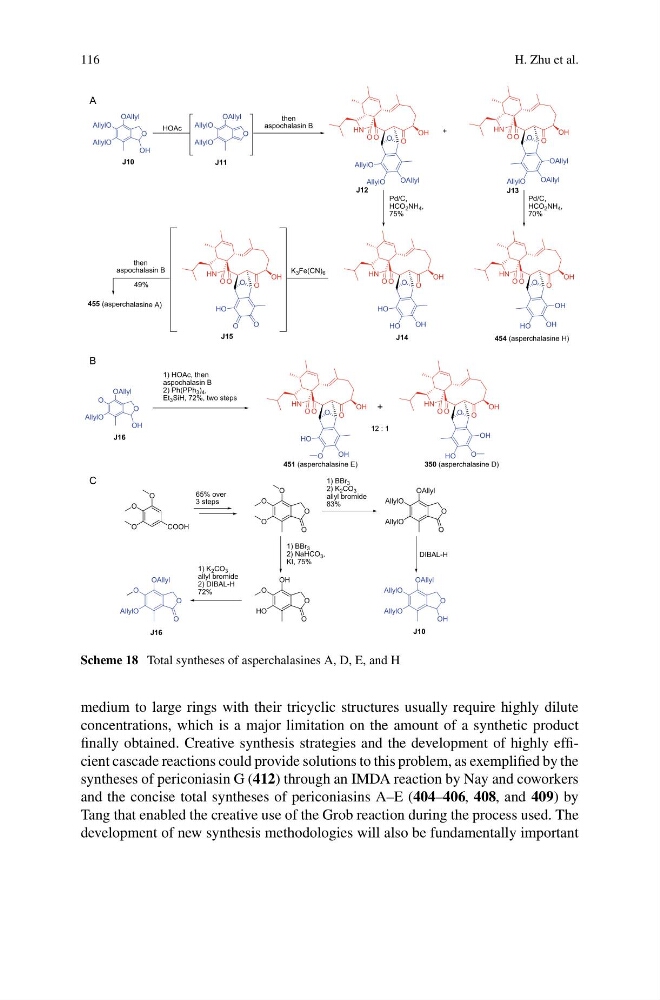
Scheme 18 Total syntheses of asperchalasines A, D, E, and H
medium to large rings with their tricyclic structures usually require highly dilute
concentrations, which is a major limitation on the amount of a synthetic product
finally obtained. Creative synthesis strategies and the development of highly efficient cascade reactions could provide solutions to this problem, as exemplified by the
syntheses of periconiasin G (412) through an IMDA reaction by Nay and coworkers
and the concise total syntheses of periconiasins A–E (404–406, 408, and 409) by
Tang that enabled the creative use of the Grob reaction during the process used. The
development of new synthesis methodologies will also be fundamentally important
H. Zhu et al.
OAllyl
AllylO
AllylO
O
OH
HOAc
OAllyl
AllylO
AllylO
O
then
aspochalasin B
AllylO
OAllyl
OAllyl
O
HN
O
O
OH
O
AllylO
OAllyl
AllylO
O
HN
O
O
OH
O
+
Pd/C,
HCO 2 NH 4 ,
75%
Pd/C,
HCO 2 NH 4 ,
70%
HO
OH
OH
O
HN
O
O
OH
O
HO
OH
HO
O
HN
O
O
OH
O
O
O
HO
O
HN
O
O
OH
O
K 3 Fe(CN) 6
454 (asperchalasine H)
then
aspochalasin B
455 (asperchalasine A)
OAllyl
O
AllylO
O
OH
1) HOAc, then
aspochalasin B
2) Ph(PPh 3 ) 4 ,
Et 3 SiH, 72%, two steps
HO
O
OH
O
HN
O
O
OH
O
O
OH
HO
O
HN
O
O
OH
O
350 (asperchalasine D)
+
451 (asperchalasine E)
12 : 1
J10
J11
J12
J13
J14
J15
J16
A
B
COOH
O
O
O
65% over
3 steps
O
O
O
O
O
1) BBr 3
2) K 2 CO 3
allyl bromide
83%
OAllyl
AllylO
AllylO
O
O
OH
O
HO
O
O
OAllyl
O
AllylO
O
O
OAllyl
AllylO
AllylO
O
OH
1) BBr 3
2) NaHCO 3 ,
KI, 75%
DIBAL-H
1) K 2 CO 3
allyl bromide
2) DIBAL-H
72%
C
J16
J10
49%
Scheme 18 Total syntheses of asperchalasines A, D, E, and H
medium to large rings with their tricyclic structures usually require highly dilute
concentrations, which is a major limitation on the amount of a synthetic product
finally obtained. Creative synthesis strategies and the development of highly efficient cascade reactions could provide solutions to this problem, as exemplified by the
syntheses of periconiasin G (412) through an IMDA reaction by Nay and coworkers
and the concise total syntheses of periconiasins A–E (404–406, 408, and 409) by
Tang that enabled the creative use of the Grob reaction during the process used. The
development of new synthesis methodologies will also be fundamentally important