

Progress in the Chemistry of Cytochalasans
115
O
HO
OH
OH
TBSO
TBSO
OTBS
O
OTBS
OTBS
OTBS
O
NHBoc
O
N
Bz
O
N
Bz
O
CO 2 Me
N
Bz
O
CO 2 Me
BzN
O CO 2 Me
TBSO
OTBS
OTBS
BzN
O
TBSO
O
OTBS
O
(MeO) 2 OP
HN
O O
HO
OH
346 (aspochalasin D)
HN
O O
O
OH
1) MeCOCHPPh 3
2) TBSOTf,
2,6-lutidine
3) H 2 , Pd/C
66%, three steps
F3, KHDMS,
82%, (d.r. 7:1)
J1
J2
J4
5 steps,
57%.
LiHDMS,
ClCO 2 Me
LiHDMS,
PhSeCl,
then H 2 O 2 ,
88% two steps.
F4, neat,
100°C,
(E)/(Z) = 2:1
1) BuLi,
MePO(OMe) 2
2) HF•pyridine
3) DMP, 72%
three steps
1) Zn(OTf) 2 ,
Et 3 N, TMEDA;
2) TBAF, 79%
two steps.
TsOH•H 2 O,
TEMPO
92%
PO(OEt) 2
J3
344 (aspochalasin B)
J5
J6
J7
J8
J9
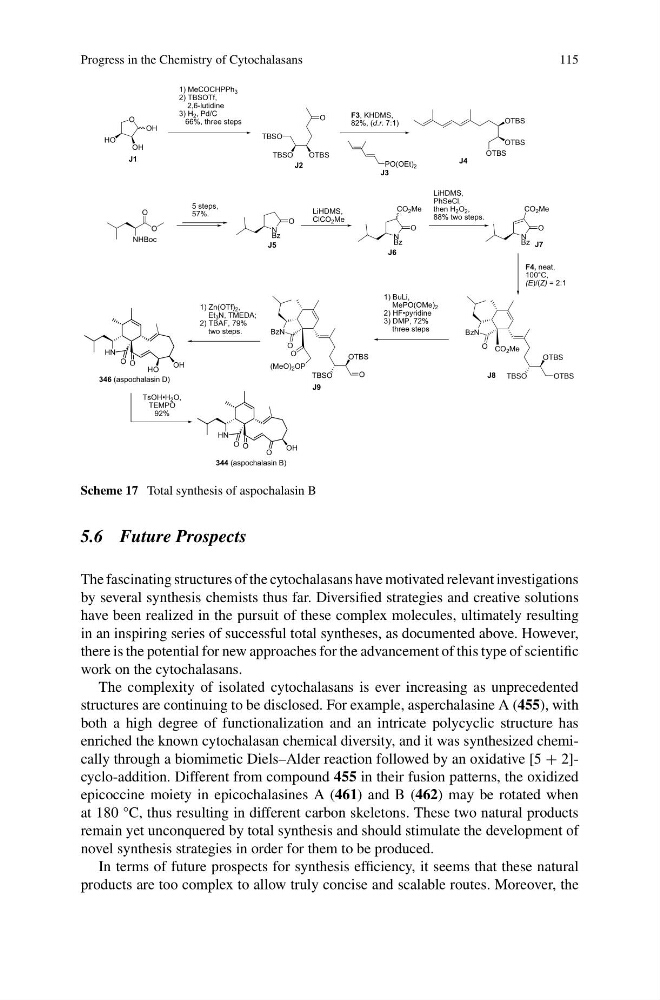
Scheme 17 Total synthesis of aspochalasin B
5.6 Future Prospects
The fascinating structures of the cytochalasans have motivated relevant investigations
by several synthesis chemists thus far. Diversified strategies and creative solutions
have been realized in the pursuit of these complex molecules, ultimately resulting
in an inspiring series of successful total syntheses, as documented above. However,
there is the potential for new approaches for the advancement of this type of scientific
work on the cytochalasans.
The complexity of isolated cytochalasans is ever increasing as unprecedented
structures are continuing to be disclosed. For example, asperchalasine A (455), with
both a high degree of functionalization and an intricate polycyclic structure has
enriched the known cytochalasan chemical diversity, and it was synthesized chemically through a biomimetic Diels–Alder reaction followed by an oxidative [5 + 2]cyclo-addition. Different from compound 455 in their fusion patterns, the oxidized
epicoccine moiety in epicochalasines A (461) and B (462) may be rotated when
at 180 °C, thus resulting in different carbon skeletons. These two natural products
remain yet unconquered by total synthesis and should stimulate the development of
novel synthesis strategies in order for them to be produced.
In terms of future prospects for synthesis efficiency, it seems that these natural
products are too complex to allow truly concise and scalable routes. Moreover, the
115
O
HO
OH
OH
TBSO
TBSO
OTBS
O
OTBS
OTBS
OTBS
O
NHBoc
O
N
Bz
O
N
Bz
O
CO 2 Me
N
Bz
O
CO 2 Me
BzN
O CO 2 Me
TBSO
OTBS
OTBS
BzN
O
TBSO
O
OTBS
O
(MeO) 2 OP
HN
O O
HO
OH
346 (aspochalasin D)
HN
O O
O
OH
1) MeCOCHPPh 3
2) TBSOTf,
2,6-lutidine
3) H 2 , Pd/C
66%, three steps
F3, KHDMS,
82%, (d.r. 7:1)
J1
J2
J4
5 steps,
57%.
LiHDMS,
ClCO 2 Me
LiHDMS,
PhSeCl,
then H 2 O 2 ,
88% two steps.
F4, neat,
100°C,
(E)/(Z) = 2:1
1) BuLi,
MePO(OMe) 2
2) HF•pyridine
3) DMP, 72%
three steps
1) Zn(OTf) 2 ,
Et 3 N, TMEDA;
2) TBAF, 79%
two steps.
TsOH•H 2 O,
TEMPO
92%
PO(OEt) 2
J3
344 (aspochalasin B)
J5
J6
J7
J8
J9
Scheme 17 Total synthesis of aspochalasin B
5.6 Future Prospects
The fascinating structures of the cytochalasans have motivated relevant investigations
by several synthesis chemists thus far. Diversified strategies and creative solutions
have been realized in the pursuit of these complex molecules, ultimately resulting
in an inspiring series of successful total syntheses, as documented above. However,
there is the potential for new approaches for the advancement of this type of scientific
work on the cytochalasans.
The complexity of isolated cytochalasans is ever increasing as unprecedented
structures are continuing to be disclosed. For example, asperchalasine A (455), with
both a high degree of functionalization and an intricate polycyclic structure has
enriched the known cytochalasan chemical diversity, and it was synthesized chemically through a biomimetic Diels–Alder reaction followed by an oxidative [5 + 2]cyclo-addition. Different from compound 455 in their fusion patterns, the oxidized
epicoccine moiety in epicochalasines A (461) and B (462) may be rotated when
at 180 °C, thus resulting in different carbon skeletons. These two natural products
remain yet unconquered by total synthesis and should stimulate the development of
novel synthesis strategies in order for them to be produced.
In terms of future prospects for synthesis efficiency, it seems that these natural
products are too complex to allow truly concise and scalable routes. Moreover, the