

10.3 Groningen University
215
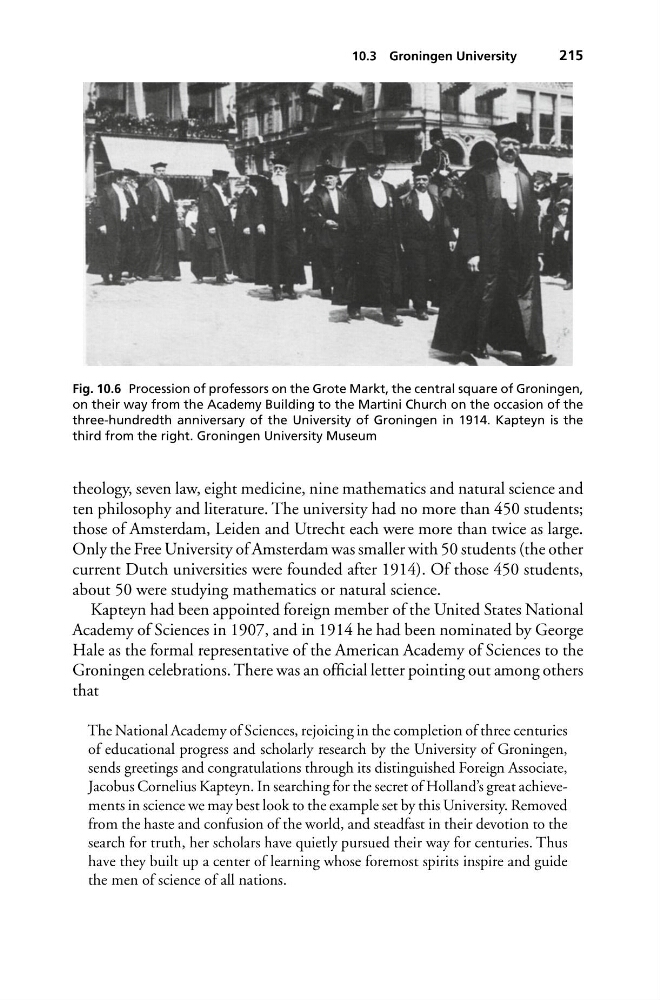
Fig. 10.6 Procession of professors on the Grote Markt, the central square of Groningen,
on their way from the Academy Building to the Martini Church on the occasion of the
three-hundredth anniversary of the University of Groningen in 1914. Kapteyn is the
third from the right. Groningen University Museum
theology, seven law, eight medicine, nine mathematics and natural science and
ten philosophy and literature. The university had no more than 450 students;
those of Amsterdam, Leiden and Utrecht each were more than twice as large.
Only the Free University of Amsterdam was smaller with 50 students (the other
current Dutch universities were founded after 1914). Of those 450 students,
about 50 were studying mathematics or natural science.
Kapteyn had been appointed foreign member of the United States National
Academy of Sciences in 1907, and in 1914 he had been nominated by George
Hale as the formal representative of the American Academy of Sciences to the
Groningen celebrations. There was an official letter pointing out among others
that
The National Academy of Sciences, rejoicing in the completion of three centuries
of educational progress and scholarly research by the University of Groningen,
sends greetings and congratulations through its distinguished Foreign Associate,
Jacobus Cornelius Kapteyn. In searching for the secret of Holland’s great achievements in science we may best look to the example set by this University. Removed
from the haste and confusion of the world, and steadfast in their devotion to the
search for truth, her scholars have quietly pursued their way for centuries. Thus
have they built up a center of learning whose foremost spirits inspire and guide
the men of science of all nations.
215
Fig. 10.6 Procession of professors on the Grote Markt, the central square of Groningen,
on their way from the Academy Building to the Martini Church on the occasion of the
three-hundredth anniversary of the University of Groningen in 1914. Kapteyn is the
third from the right. Groningen University Museum
theology, seven law, eight medicine, nine mathematics and natural science and
ten philosophy and literature. The university had no more than 450 students;
those of Amsterdam, Leiden and Utrecht each were more than twice as large.
Only the Free University of Amsterdam was smaller with 50 students (the other
current Dutch universities were founded after 1914). Of those 450 students,
about 50 were studying mathematics or natural science.
Kapteyn had been appointed foreign member of the United States National
Academy of Sciences in 1907, and in 1914 he had been nominated by George
Hale as the formal representative of the American Academy of Sciences to the
Groningen celebrations. There was an official letter pointing out among others
that
The National Academy of Sciences, rejoicing in the completion of three centuries
of educational progress and scholarly research by the University of Groningen,
sends greetings and congratulations through its distinguished Foreign Associate,
Jacobus Cornelius Kapteyn. In searching for the secret of Holland’s great achievements in science we may best look to the example set by this University. Removed
from the haste and confusion of the world, and steadfast in their devotion to the
search for truth, her scholars have quietly pursued their way for centuries. Thus
have they built up a center of learning whose foremost spirits inspire and guide
the men of science of all nations.