

42
3 Chemical Profiles of Yerba Mate Infusions Across …
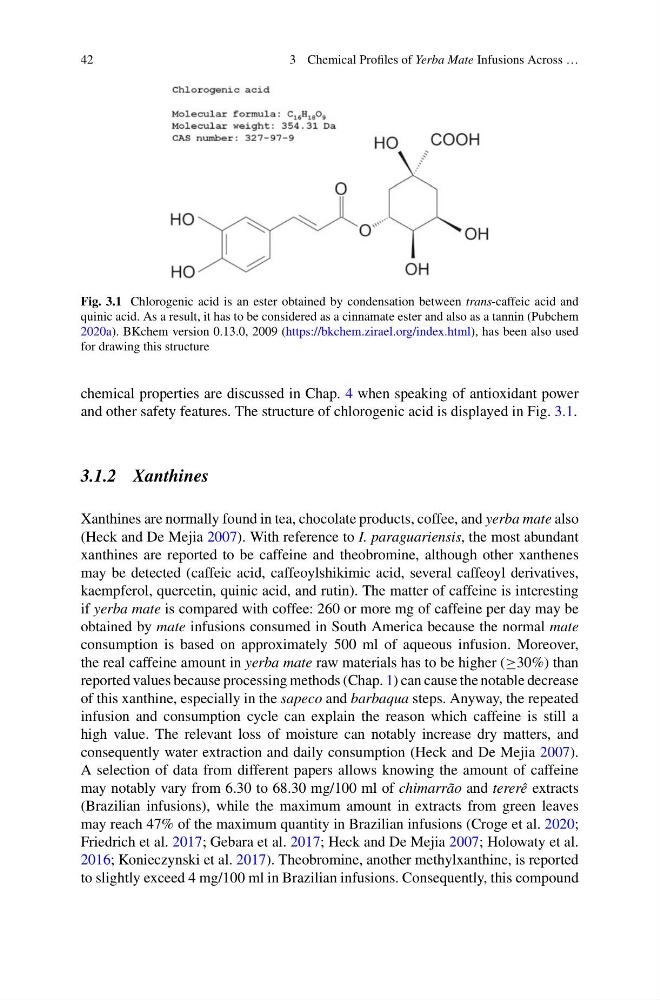
Fig. 3.1 Chlorogenic acid is an ester obtained by condensation between trans-caffeic acid and
quinic acid. As a result, it has to be considered as a cinnamate ester and also as a tannin (Pubchem
2020a). BKchem version 0.13.0, 2009 (https://bkchem.zirael.org/index.html), has been also used
for drawing this structure
chemical properties are discussed in Chap. 4 when speaking of antioxidant power
and other safety features. The structure of chlorogenic acid is displayed in Fig. 3.1.
3.1.2 Xanthines
Xanthines are normally found in tea, chocolate products, coffee, and yerba mate also
(Heck and De Mejia 2007). With reference to I. paraguariensis, the most abundant
xanthines are reported to be caffeine and theobromine, although other xanthenes
may be detected (caffeic acid, caffeoylshikimic acid, several caffeoyl derivatives,
kaempferol, quercetin, quinic acid, and rutin). The matter of caffeine is interesting
if yerba mate is compared with coffee: 260 or more mg of caffeine per day may be
obtained by mate infusions consumed in South America because the normal mate
consumption is based on approximately 500 ml of aqueous infusion. Moreover,
the real caffeine amount in yerba mate raw materials has to be higher (≥30%) than
reported values because processing methods (Chap. 1) can cause the notable decrease
of this xanthine, especially in the sapeco and barbaqua steps. Anyway, the repeated
infusion and consumption cycle can explain the reason which caffeine is still a
high value. The relevant loss of moisture can notably increase dry matters, and
consequently water extraction and daily consumption (Heck and De Mejia 2007).
A selection of data from different papers allows knowing the amount of caffeine
may notably vary from 6.30 to 68.30 mg/100 ml of chimarrão and tererê extracts
(Brazilian infusions), while the maximum amount in extracts from green leaves
may reach 47% of the maximum quantity in Brazilian infusions (Croge et al. 2020;
Friedrich et al. 2017; Gebara et al. 2017; Heck and De Mejia 2007; Holowaty et al.
2016; Konieczynski et al. 2017). Theobromine, another methylxanthine, is reported
to slightly exceed 4 mg/100 ml in Brazilian infusions. Consequently, this compound
3 Chemical Profiles of Yerba Mate Infusions Across …
Fig. 3.1 Chlorogenic acid is an ester obtained by condensation between trans-caffeic acid and
quinic acid. As a result, it has to be considered as a cinnamate ester and also as a tannin (Pubchem
2020a). BKchem version 0.13.0, 2009 (https://bkchem.zirael.org/index.html), has been also used
for drawing this structure
chemical properties are discussed in Chap. 4 when speaking of antioxidant power
and other safety features. The structure of chlorogenic acid is displayed in Fig. 3.1.
3.1.2 Xanthines
Xanthines are normally found in tea, chocolate products, coffee, and yerba mate also
(Heck and De Mejia 2007). With reference to I. paraguariensis, the most abundant
xanthines are reported to be caffeine and theobromine, although other xanthenes
may be detected (caffeic acid, caffeoylshikimic acid, several caffeoyl derivatives,
kaempferol, quercetin, quinic acid, and rutin). The matter of caffeine is interesting
if yerba mate is compared with coffee: 260 or more mg of caffeine per day may be
obtained by mate infusions consumed in South America because the normal mate
consumption is based on approximately 500 ml of aqueous infusion. Moreover,
the real caffeine amount in yerba mate raw materials has to be higher (≥30%) than
reported values because processing methods (Chap. 1) can cause the notable decrease
of this xanthine, especially in the sapeco and barbaqua steps. Anyway, the repeated
infusion and consumption cycle can explain the reason which caffeine is still a
high value. The relevant loss of moisture can notably increase dry matters, and
consequently water extraction and daily consumption (Heck and De Mejia 2007).
A selection of data from different papers allows knowing the amount of caffeine
may notably vary from 6.30 to 68.30 mg/100 ml of chimarrão and tererê extracts
(Brazilian infusions), while the maximum amount in extracts from green leaves
may reach 47% of the maximum quantity in Brazilian infusions (Croge et al. 2020;
Friedrich et al. 2017; Gebara et al. 2017; Heck and De Mejia 2007; Holowaty et al.
2016; Konieczynski et al. 2017). Theobromine, another methylxanthine, is reported
to slightly exceed 4 mg/100 ml in Brazilian infusions. Consequently, this compound