

1.1 Vegetable Phenolics for Food Purposes. A General Introduction
3
25700
33200
35900
39200
41400
41700
41300
39000
36700
43900
0
5000
10000
15000
20000
25000
30000
35000
40000
45000
50000
2010
2011
2012
2013
2014
2015
2016
2017
2018
2019
2020
2021
Papers with words"Phenolic" + "Plant" + "Food": Scholar Google
(2011-2020)
Amount of
journal papers
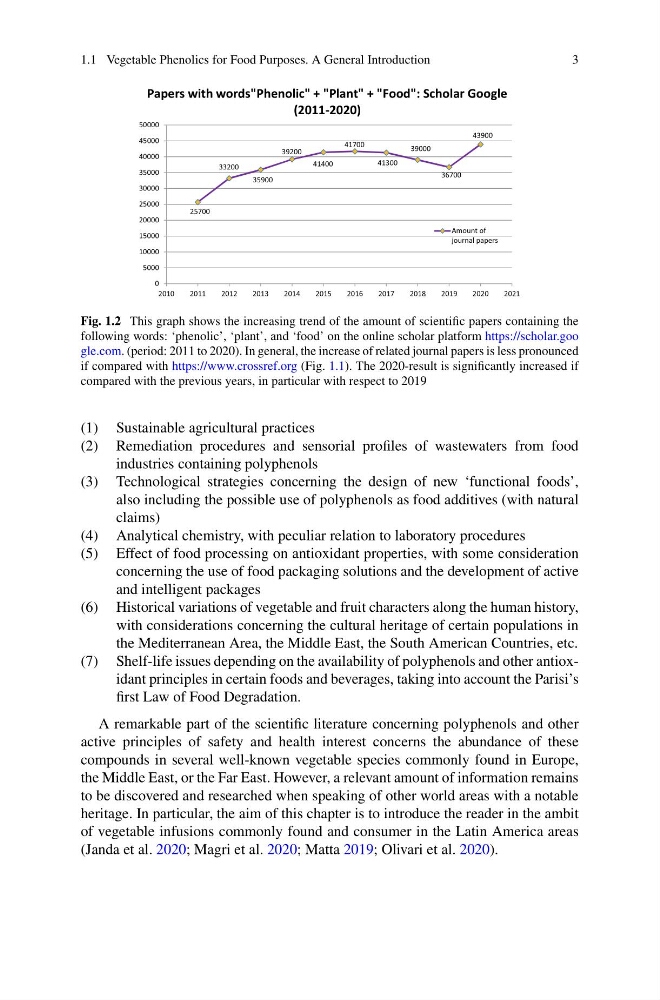
Fig. 1.2 This graph shows the increasing trend of the amount of scientific papers containing the
following words: ‘phenolic’, ‘plant’, and ‘food’ on the online scholar platform https://scholar.goo
gle.com. (period: 2011 to 2020). In general, the increase of related journal papers is less pronounced
if compared with https://www.crossref.org (Fig. 1.1). The 2020-result is significantly increased if
compared with the previous years, in particular with respect to 2019
(1) Sustainable agricultural practices
(2) Remediation procedures and sensorial profiles of wastewaters from food
industries containing polyphenols
(3) Technological strategies concerning the design of new ‘functional foods’,
also including the possible use of polyphenols as food additives (with natural
claims)
(4) Analytical chemistry, with peculiar relation to laboratory procedures
(5) Effect of food processing on antioxidant properties, with some consideration
concerning the use of food packaging solutions and the development of active
and intelligent packages
(6) Historical variations of vegetable and fruit characters along the human history,
with considerations concerning the cultural heritage of certain populations in
the Mediterranean Area, the Middle East, the South American Countries, etc.
(7) Shelf-life issues depending on the availability of polyphenols and other antioxidant principles in certain foods and beverages, taking into account the Parisi’s
first Law of Food Degradation.
A remarkable part of the scientific literature concerning polyphenols and other
active principles of safety and health interest concerns the abundance of these
compounds in several well-known vegetable species commonly found in Europe,
the Middle East, or the Far East. However, a relevant amount of information remains
to be discovered and researched when speaking of other world areas with a notable
heritage. In particular, the aim of this chapter is to introduce the reader in the ambit
of vegetable infusions commonly found and consumer in the Latin America areas
(Janda et al. 2020; Magri et al. 2020; Matta 2019; Olivari et al. 2020).
3
25700
33200
35900
39200
41400
41700
41300
39000
36700
43900
0
5000
10000
15000
20000
25000
30000
35000
40000
45000
50000
2010
2011
2012
2013
2014
2015
2016
2017
2018
2019
2020
2021
Papers with words"Phenolic" + "Plant" + "Food": Scholar Google
(2011-2020)
Amount of
journal papers
Fig. 1.2 This graph shows the increasing trend of the amount of scientific papers containing the
following words: ‘phenolic’, ‘plant’, and ‘food’ on the online scholar platform https://scholar.goo
gle.com. (period: 2011 to 2020). In general, the increase of related journal papers is less pronounced
if compared with https://www.crossref.org (Fig. 1.1). The 2020-result is significantly increased if
compared with the previous years, in particular with respect to 2019
(1) Sustainable agricultural practices
(2) Remediation procedures and sensorial profiles of wastewaters from food
industries containing polyphenols
(3) Technological strategies concerning the design of new ‘functional foods’,
also including the possible use of polyphenols as food additives (with natural
claims)
(4) Analytical chemistry, with peculiar relation to laboratory procedures
(5) Effect of food processing on antioxidant properties, with some consideration
concerning the use of food packaging solutions and the development of active
and intelligent packages
(6) Historical variations of vegetable and fruit characters along the human history,
with considerations concerning the cultural heritage of certain populations in
the Mediterranean Area, the Middle East, the South American Countries, etc.
(7) Shelf-life issues depending on the availability of polyphenols and other antioxidant principles in certain foods and beverages, taking into account the Parisi’s
first Law of Food Degradation.
A remarkable part of the scientific literature concerning polyphenols and other
active principles of safety and health interest concerns the abundance of these
compounds in several well-known vegetable species commonly found in Europe,
the Middle East, or the Far East. However, a relevant amount of information remains
to be discovered and researched when speaking of other world areas with a notable
heritage. In particular, the aim of this chapter is to introduce the reader in the ambit
of vegetable infusions commonly found and consumer in the Latin America areas
(Janda et al. 2020; Magri et al. 2020; Matta 2019; Olivari et al. 2020).