

80
2 Critical Mass, Efficiency, and Yield
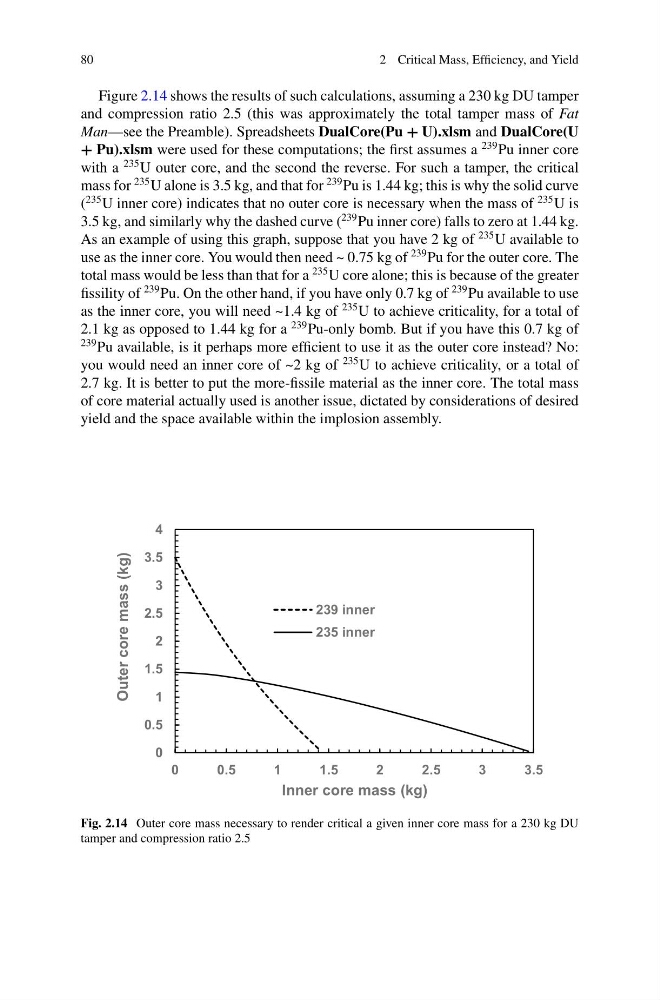
Figure 2.14 shows the results of such calculations, assuming a 230 kg DU tamper
and compression ratio 2.5 (this was approximately the total tamper mass of Fat
Man—see the Preamble). Spreadsheets DualCore(Pu + U).xlsm and DualCore(U
+ Pu).xlsm were used for these computations; the first assumes a
239 Pu inner core
with a
235 U outer core, and the second the reverse. For such a tamper, the critical
mass for
235 U alone is 3.5 kg, and that for
239 Pu is 1.44 kg; this is why the solid curve
(
235 U inner core) indicates that no outer core is necessary when the mass of
235 U is
3.5 kg, and similarly why the dashed curve (
239 Pu inner core) falls to zero at 1.44 kg.
As an example of using this graph, suppose that you have 2 kg of
235 U available to
use as the inner core. You would then need ~ 0.75 kg of
239 Pu for the outer core. The
total mass would be less than that for a
235 U core alone; this is because of the greater
fissility of
239 Pu. On the other hand, if you have only 0.7 kg of
239 Pu available to use
as the inner core, you will need ~1.4 kg of
235 U to achieve criticality, for a total of
2.1 kg as opposed to 1.44 kg for a
239 Pu-only bomb. But if you have this 0.7 kg of
239 Pu available, is it perhaps more efficient to use it as the outer core instead? No:
you would need an inner core of ~2 kg of
235 U to achieve criticality, or a total of
2.7 kg. It is better to put the more-fissile material as the inner core. The total mass
of core material actually used is another issue, dictated by considerations of desired
yield and the space available within the implosion assembly.
0
0.5
1
1.5
2
2.5
3
3.5
4
0
0.5
1
1.5
2
2.5
3
3.5
Outer core mass (kg)
Inner core mass (kg)
239 inner
235 inner
Fig. 2.14 Outer core mass necessary to render critical a given inner core mass for a 230 kg DU
tamper and compression ratio 2.5
2 Critical Mass, Efficiency, and Yield
Figure 2.14 shows the results of such calculations, assuming a 230 kg DU tamper
and compression ratio 2.5 (this was approximately the total tamper mass of Fat
Man—see the Preamble). Spreadsheets DualCore(Pu + U).xlsm and DualCore(U
+ Pu).xlsm were used for these computations; the first assumes a
239 Pu inner core
with a
235 U outer core, and the second the reverse. For such a tamper, the critical
mass for
235 U alone is 3.5 kg, and that for
239 Pu is 1.44 kg; this is why the solid curve
(
235 U inner core) indicates that no outer core is necessary when the mass of
235 U is
3.5 kg, and similarly why the dashed curve (
239 Pu inner core) falls to zero at 1.44 kg.
As an example of using this graph, suppose that you have 2 kg of
235 U available to
use as the inner core. You would then need ~ 0.75 kg of
239 Pu for the outer core. The
total mass would be less than that for a
235 U core alone; this is because of the greater
fissility of
239 Pu. On the other hand, if you have only 0.7 kg of
239 Pu available to use
as the inner core, you will need ~1.4 kg of
235 U to achieve criticality, for a total of
2.1 kg as opposed to 1.44 kg for a
239 Pu-only bomb. But if you have this 0.7 kg of
239 Pu available, is it perhaps more efficient to use it as the outer core instead? No:
you would need an inner core of ~2 kg of
235 U to achieve criticality, or a total of
2.7 kg. It is better to put the more-fissile material as the inner core. The total mass
of core material actually used is another issue, dictated by considerations of desired
yield and the space available within the implosion assembly.
0
0.5
1
1.5
2
2.5
3
3.5
4
0
0.5
1
1.5
2
2.5
3
3.5
Outer core mass (kg)
Inner core mass (kg)
239 inner
235 inner
Fig. 2.14 Outer core mass necessary to render critical a given inner core mass for a 230 kg DU
tamper and compression ratio 2.5