

10 How the World Began
201
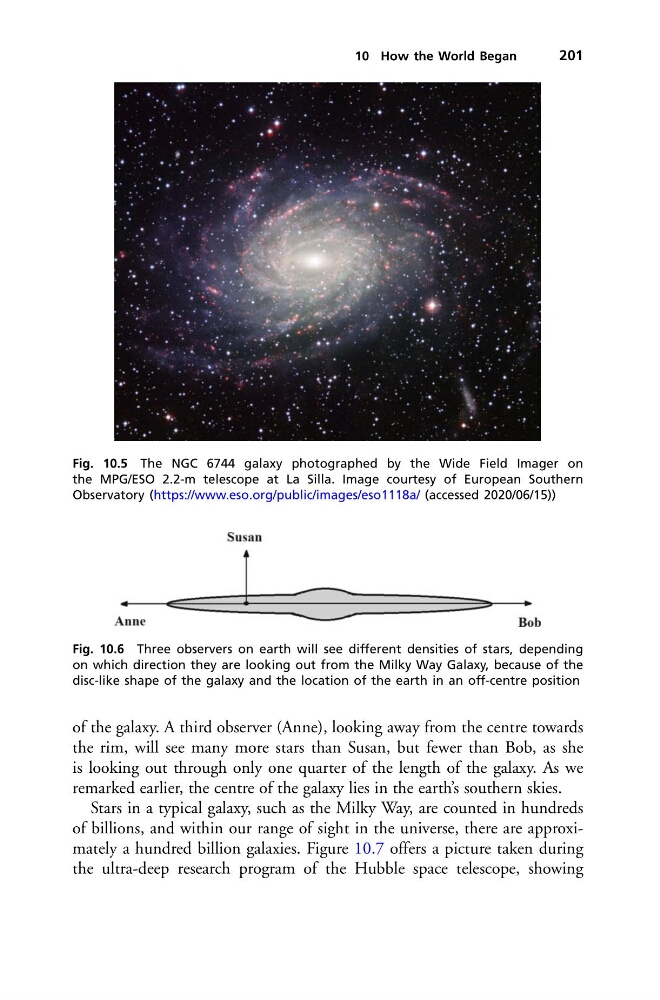
Fig. 10.5 The NGC 6744 galaxy photographed by the Wide Field Imager on
the MPG/ESO 2.2-m telescope at La Silla. Image courtesy of European Southern
Observatory (https://www.eso.org/public/images/eso1118a/ (accessed 2020/06/15))
Fig. 10.6 Three observers on earth will see different densities of stars, depending
on which direction they are looking out from the Milky Way Galaxy, because of the
disc-like shape of the galaxy and the location of the earth in an off-centre position
of the galaxy. A third observer (Anne), looking away from the centre towards
the rim, will see many more stars than Susan, but fewer than Bob, as she
is looking out through only one quarter of the length of the galaxy. As we
remarked earlier, the centre of the galaxy lies in the earth’s southern skies.
Stars in a typical galaxy, such as the Milky Way, are counted in hundreds
of billions, and within our range of sight in the universe, there are approximately a hundred billion galaxies. Figure 10.7 offers a picture taken during
the ultra-deep research program of the Hubble space telescope, showing
201
Fig. 10.5 The NGC 6744 galaxy photographed by the Wide Field Imager on
the MPG/ESO 2.2-m telescope at La Silla. Image courtesy of European Southern
Observatory (https://www.eso.org/public/images/eso1118a/ (accessed 2020/06/15))
Fig. 10.6 Three observers on earth will see different densities of stars, depending
on which direction they are looking out from the Milky Way Galaxy, because of the
disc-like shape of the galaxy and the location of the earth in an off-centre position
of the galaxy. A third observer (Anne), looking away from the centre towards
the rim, will see many more stars than Susan, but fewer than Bob, as she
is looking out through only one quarter of the length of the galaxy. As we
remarked earlier, the centre of the galaxy lies in the earth’s southern skies.
Stars in a typical galaxy, such as the Milky Way, are counted in hundreds
of billions, and within our range of sight in the universe, there are approximately a hundred billion galaxies. Figure 10.7 offers a picture taken during
the ultra-deep research program of the Hubble space telescope, showing