

digestibility and bioavailability of other nutrients also. It is also reported that
phytates may bind with the digestive enzymes such as trypsin, chymotrypsin, etc.
and inhibit their enzymatic action. As canola meal is generally used in animal feed,
sometimes, phytase enzyme is already added in diet formulation to break phytic acid
in order to improve the digestibility and biological quality of feed. A wide range of
literature is available on the negative effects of phytates on the growth performance
and bioavailability of nutrients in different animals (Thompson 1990; Kumar et al.
2012; Gupta et al. 2015; Dersjant-Li and Dusel 2019).
2.3.6.3 Phenolic Acids (Expressed as Sinapin) and Tannins
Phenolic acids are naturally present in plants and are responsible for bitter and
astringent taste depending on the concentration. In canola, phenolic acids constitute
approximately 1.5–1.8 g/100 g of defatted meal. It is reported that canola flour
contains the highest amount of phenolic acids (639.9 mg/100 g) among other oilseed
flours such as soybean (23.4 mg/100 g), cottonseed (56.7 mg/100 g) or peanut
(63.6 mg/100 g) (Shahidi 1990). In canola meal, the most common phenolic acid
is sinapin (sinapine), which is a choline ester of 3,5-dimethoxy-4-hydroxycinnamic
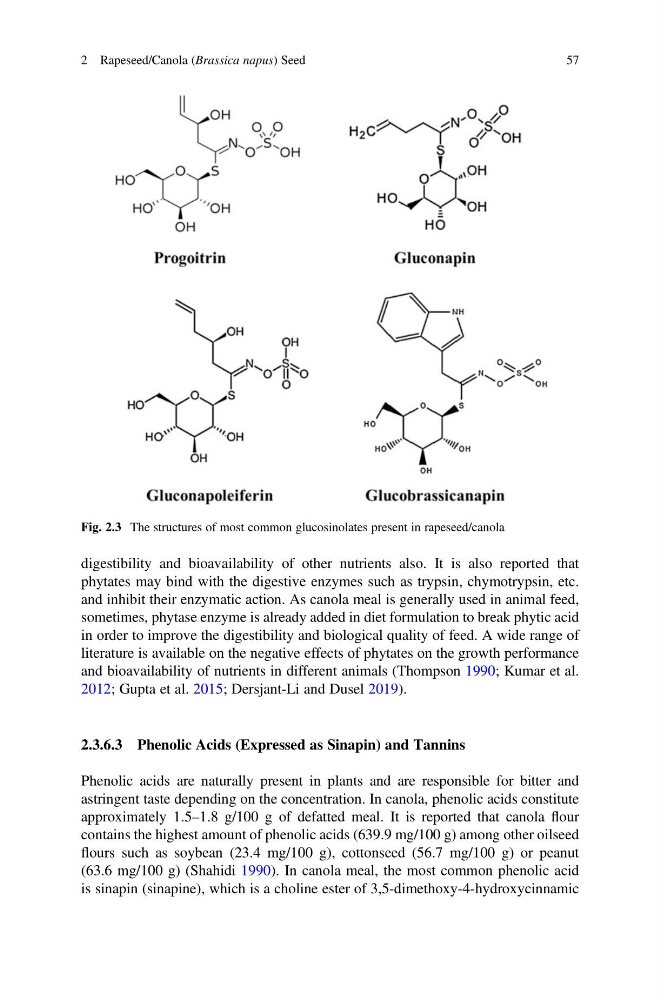
Fig. 2.3 The structures of most common glucosinolates present in rapeseed/canola
2 Rapeseed/Canola (Brassica napus) Seed
57
phytates may bind with the digestive enzymes such as trypsin, chymotrypsin, etc.
and inhibit their enzymatic action. As canola meal is generally used in animal feed,
sometimes, phytase enzyme is already added in diet formulation to break phytic acid
in order to improve the digestibility and biological quality of feed. A wide range of
literature is available on the negative effects of phytates on the growth performance
and bioavailability of nutrients in different animals (Thompson 1990; Kumar et al.
2012; Gupta et al. 2015; Dersjant-Li and Dusel 2019).
2.3.6.3 Phenolic Acids (Expressed as Sinapin) and Tannins
Phenolic acids are naturally present in plants and are responsible for bitter and
astringent taste depending on the concentration. In canola, phenolic acids constitute
approximately 1.5–1.8 g/100 g of defatted meal. It is reported that canola flour
contains the highest amount of phenolic acids (639.9 mg/100 g) among other oilseed
flours such as soybean (23.4 mg/100 g), cottonseed (56.7 mg/100 g) or peanut
(63.6 mg/100 g) (Shahidi 1990). In canola meal, the most common phenolic acid
is sinapin (sinapine), which is a choline ester of 3,5-dimethoxy-4-hydroxycinnamic
Fig. 2.3 The structures of most common glucosinolates present in rapeseed/canola
2 Rapeseed/Canola (Brassica napus) Seed
57