

2.5 The Complexities of Renewable Energy
71
0
2000
4000
6000
8000
10000
12000
14000
16000
Popula on (millions)
GDP ($ billion)
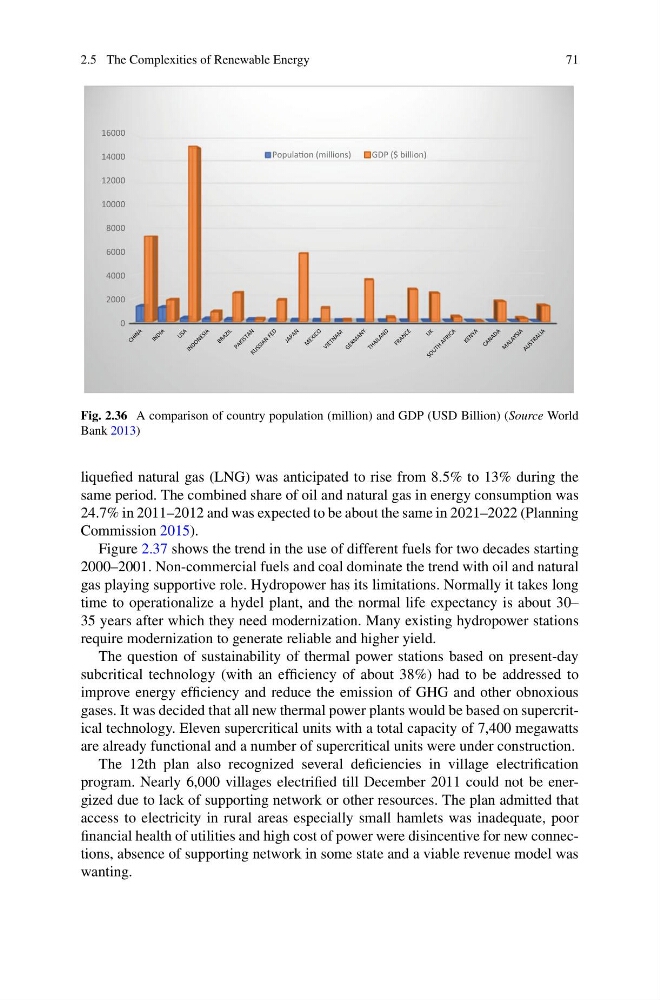
Fig. 2.36 A comparison of country population (million) and GDP (USD Billion) (Source World
Bank 2013)
liquefied natural gas (LNG) was anticipated to rise from 8.5% to 13% during the
same period. The combined share of oil and natural gas in energy consumption was
24.7% in 2011–2012 and was expected to be about the same in 2021–2022 (Planning
Commission 2015).
Figure 2.37 shows the trend in the use of different fuels for two decades starting
2000–2001. Non-commercial fuels and coal dominate the trend with oil and natural
gas playing supportive role. Hydropower has its limitations. Normally it takes long
time to operationalize a hydel plant, and the normal life expectancy is about 30–
35 years after which they need modernization. Many existing hydropower stations
require modernization to generate reliable and higher yield.
The question of sustainability of thermal power stations based on present-day
subcritical technology (with an efficiency of about 38%) had to be addressed to
improve energy efficiency and reduce the emission of GHG and other obnoxious
gases. It was decided that all new thermal power plants would be based on supercritical technology. Eleven supercritical units with a total capacity of 7,400 megawatts
are already functional and a number of supercritical units were under construction.
The 12th plan also recognized several deficiencies in village electrification
program. Nearly 6,000 villages electrified till December 2011 could not be energized due to lack of supporting network or other resources. The plan admitted that
access to electricity in rural areas especially small hamlets was inadequate, poor
financial health of utilities and high cost of power were disincentive for new connections, absence of supporting network in some state and a viable revenue model was
wanting.
71
0
2000
4000
6000
8000
10000
12000
14000
16000
Popula on (millions)
GDP ($ billion)
Fig. 2.36 A comparison of country population (million) and GDP (USD Billion) (Source World
Bank 2013)
liquefied natural gas (LNG) was anticipated to rise from 8.5% to 13% during the
same period. The combined share of oil and natural gas in energy consumption was
24.7% in 2011–2012 and was expected to be about the same in 2021–2022 (Planning
Commission 2015).
Figure 2.37 shows the trend in the use of different fuels for two decades starting
2000–2001. Non-commercial fuels and coal dominate the trend with oil and natural
gas playing supportive role. Hydropower has its limitations. Normally it takes long
time to operationalize a hydel plant, and the normal life expectancy is about 30–
35 years after which they need modernization. Many existing hydropower stations
require modernization to generate reliable and higher yield.
The question of sustainability of thermal power stations based on present-day
subcritical technology (with an efficiency of about 38%) had to be addressed to
improve energy efficiency and reduce the emission of GHG and other obnoxious
gases. It was decided that all new thermal power plants would be based on supercritical technology. Eleven supercritical units with a total capacity of 7,400 megawatts
are already functional and a number of supercritical units were under construction.
The 12th plan also recognized several deficiencies in village electrification
program. Nearly 6,000 villages electrified till December 2011 could not be energized due to lack of supporting network or other resources. The plan admitted that
access to electricity in rural areas especially small hamlets was inadequate, poor
financial health of utilities and high cost of power were disincentive for new connections, absence of supporting network in some state and a viable revenue model was
wanting.