

68
2 Energy Sector Progression in India
158.87
40.76
132.95
7.38
1.2
1.25
18.08
57.26
8.03
4.51
1.54
4.43
0% 10% 20% 30% 40% 50% 60% 70% 80% 90% 100%
Fire wood and chips (million tonnes)
Electricity (BkWh)
Dung cake (million tonnes)
Kerosene (million litre)
Coal (million tonnes)
LPG ( million tonnes)
Rural
Urban
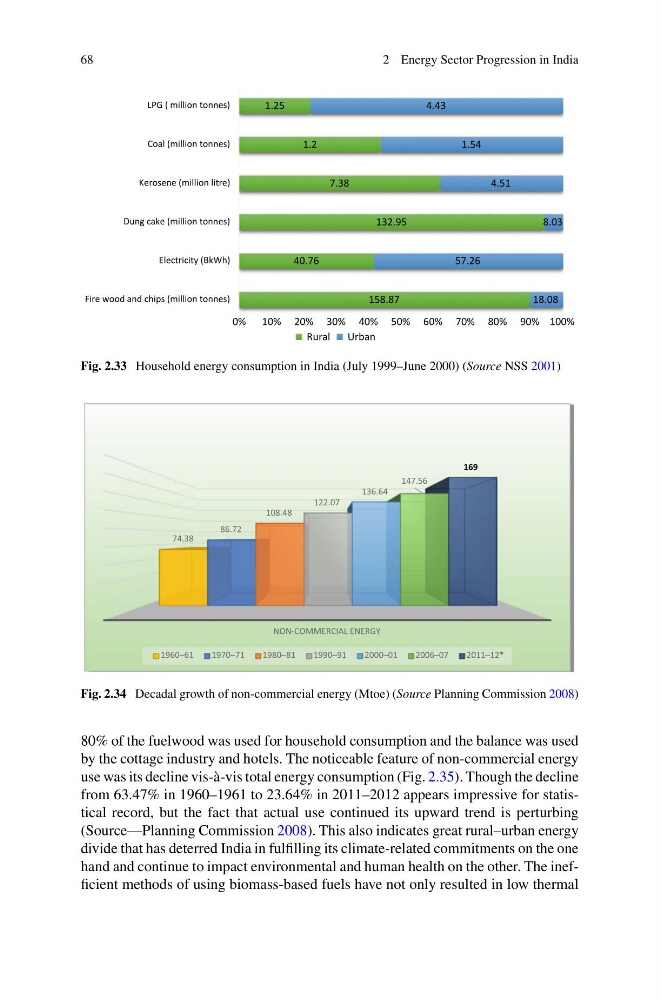
Fig. 2.33 Household energy consumption in India (July 1999–June 2000) (Source NSS 2001)
NON-COMMERCIAL ENERGY
74.38
86.72
108.48
122.07
136.64
147.56
169
1960–61
1970–71
1980–81
1990–91
2000–01
2006–07
2011–12*
Fig. 2.34 Decadal growth of non-commercial energy (Mtoe) (Source Planning Commission 2008)
80% of the fuelwood was used for household consumption and the balance was used
by the cottage industry and hotels. The noticeable feature of non-commercial energy
use was its decline vis-à-vis total energy consumption (Fig. 2.35). Though the decline
from 63.47% in 1960–1961 to 23.64% in 2011–2012 appears impressive for statistical record, but the fact that actual use continued its upward trend is perturbing
(Source—Planning Commission 2008). This also indicates great rural–urban energy
divide that has deterred India in fulfilling its climate-related commitments on the one
hand and continue to impact environmental and human health on the other. The inefficient methods of using biomass-based fuels have not only resulted in low thermal
2 Energy Sector Progression in India
158.87
40.76
132.95
7.38
1.2
1.25
18.08
57.26
8.03
4.51
1.54
4.43
0% 10% 20% 30% 40% 50% 60% 70% 80% 90% 100%
Fire wood and chips (million tonnes)
Electricity (BkWh)
Dung cake (million tonnes)
Kerosene (million litre)
Coal (million tonnes)
LPG ( million tonnes)
Rural
Urban
Fig. 2.33 Household energy consumption in India (July 1999–June 2000) (Source NSS 2001)
NON-COMMERCIAL ENERGY
74.38
86.72
108.48
122.07
136.64
147.56
169
1960–61
1970–71
1980–81
1990–91
2000–01
2006–07
2011–12*
Fig. 2.34 Decadal growth of non-commercial energy (Mtoe) (Source Planning Commission 2008)
80% of the fuelwood was used for household consumption and the balance was used
by the cottage industry and hotels. The noticeable feature of non-commercial energy
use was its decline vis-à-vis total energy consumption (Fig. 2.35). Though the decline
from 63.47% in 1960–1961 to 23.64% in 2011–2012 appears impressive for statistical record, but the fact that actual use continued its upward trend is perturbing
(Source—Planning Commission 2008). This also indicates great rural–urban energy
divide that has deterred India in fulfilling its climate-related commitments on the one
hand and continue to impact environmental and human health on the other. The inefficient methods of using biomass-based fuels have not only resulted in low thermal