

62
2 Energy Sector Progression in India
28.4
34.7
40.6
46.9
59.3
65.9
71.6
65.3
59.4
53.1
40.7
34.1
1953-54
1960-61
1970-71
1980-81
1990-91
1996-97
Commercial
Non-Commercial
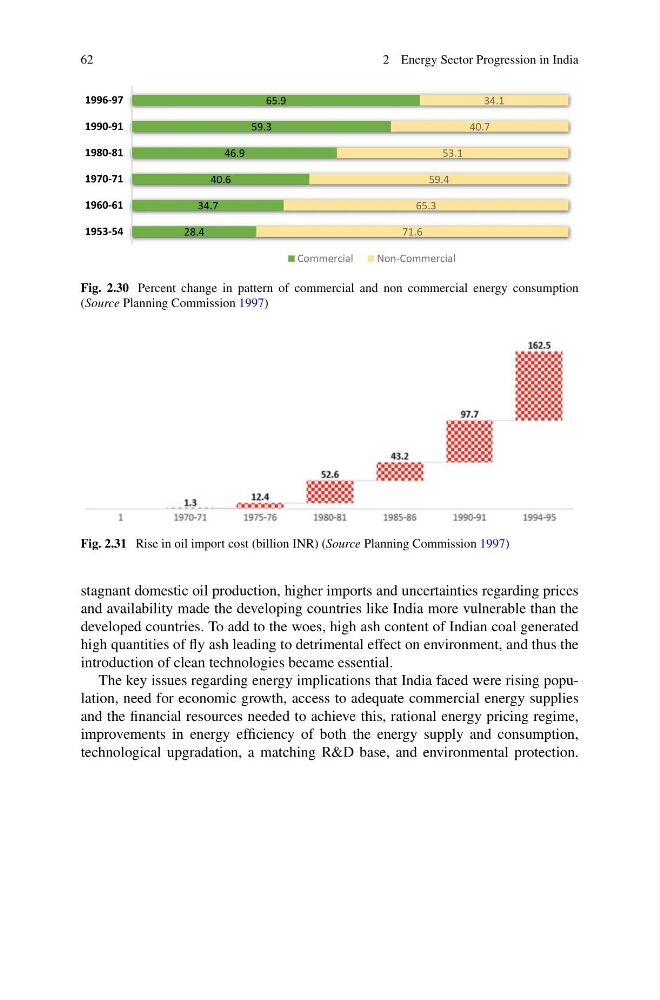
Fig. 2.30 Percent change in pattern of commercial and non commercial energy consumption
(Source Planning Commission 1997)
Fig. 2.31 Rise in oil import cost (billion INR) (Source Planning Commission 1997)
stagnant domestic oil production, higher imports and uncertainties regarding prices
and availability made the developing countries like India more vulnerable than the
developed countries. To add to the woes, high ash content of Indian coal generated
high quantities of fly ash leading to detrimental effect on environment, and thus the
introduction of clean technologies became essential.
The key issues regarding energy implications that India faced were rising population, need for economic growth, access to adequate commercial energy supplies
and the financial resources needed to achieve this, rational energy pricing regime,
improvements in energy efficiency of both the energy supply and consumption,
technological upgradation, a matching R&D base, and environmental protection.
2 Energy Sector Progression in India
28.4
34.7
40.6
46.9
59.3
65.9
71.6
65.3
59.4
53.1
40.7
34.1
1953-54
1960-61
1970-71
1980-81
1990-91
1996-97
Commercial
Non-Commercial
Fig. 2.30 Percent change in pattern of commercial and non commercial energy consumption
(Source Planning Commission 1997)
Fig. 2.31 Rise in oil import cost (billion INR) (Source Planning Commission 1997)
stagnant domestic oil production, higher imports and uncertainties regarding prices
and availability made the developing countries like India more vulnerable than the
developed countries. To add to the woes, high ash content of Indian coal generated
high quantities of fly ash leading to detrimental effect on environment, and thus the
introduction of clean technologies became essential.
The key issues regarding energy implications that India faced were rising population, need for economic growth, access to adequate commercial energy supplies
and the financial resources needed to achieve this, rational energy pricing regime,
improvements in energy efficiency of both the energy supply and consumption,
technological upgradation, a matching R&D base, and environmental protection.