

1.4 Energy Security and Access in India
25
0.95
0.91
0.9
0.9
0.89
0.88
0.88
0.88
0.88
0.88
0.88
0.7
0.7
0.7
0.7
0.7
0.69
0.66
0.66
0.66
0.66
0.65
0.64
0.64
0.62
0.62
0.62
0.61
Energy Access and Security Score
Energy Access and Security Score
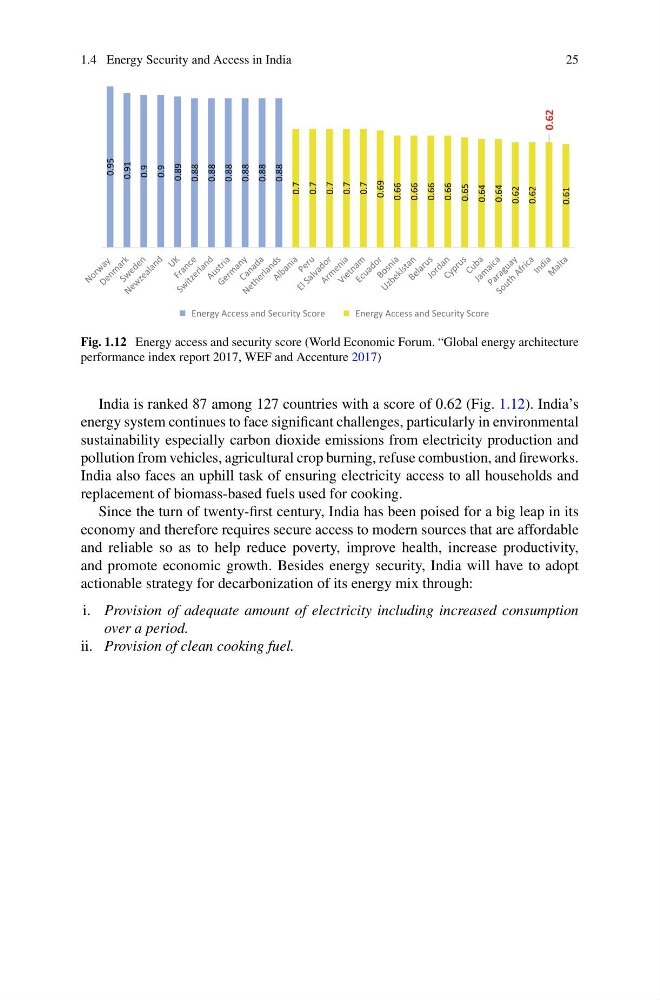
Fig. 1.12 Energy access and security score (World Economic Forum. “Global energy architecture
performance index report 2017, WEF and Accenture 2017)
India is ranked 87 among 127 countries with a score of 0.62 (Fig. 1.12). India’s
energy system continues to face significant challenges, particularly in environmental
sustainability especially carbon dioxide emissions from electricity production and
pollution from vehicles, agricultural crop burning, refuse combustion, and fireworks.
India also faces an uphill task of ensuring electricity access to all households and
replacement of biomass-based fuels used for cooking.
Since the turn of twenty-first century, India has been poised for a big leap in its
economy and therefore requires secure access to modern sources that are affordable
and reliable so as to help reduce poverty, improve health, increase productivity,
and promote economic growth. Besides energy security, India will have to adopt
actionable strategy for decarbonization of its energy mix through:
i. Provision of adequate amount of electricity including increased consumption
over a period.
ii. Provision of clean cooking fuel.
25
0.95
0.91
0.9
0.9
0.89
0.88
0.88
0.88
0.88
0.88
0.88
0.7
0.7
0.7
0.7
0.7
0.69
0.66
0.66
0.66
0.66
0.65
0.64
0.64
0.62
0.62
0.62
0.61
Energy Access and Security Score
Energy Access and Security Score
Fig. 1.12 Energy access and security score (World Economic Forum. “Global energy architecture
performance index report 2017, WEF and Accenture 2017)
India is ranked 87 among 127 countries with a score of 0.62 (Fig. 1.12). India’s
energy system continues to face significant challenges, particularly in environmental
sustainability especially carbon dioxide emissions from electricity production and
pollution from vehicles, agricultural crop burning, refuse combustion, and fireworks.
India also faces an uphill task of ensuring electricity access to all households and
replacement of biomass-based fuels used for cooking.
Since the turn of twenty-first century, India has been poised for a big leap in its
economy and therefore requires secure access to modern sources that are affordable
and reliable so as to help reduce poverty, improve health, increase productivity,
and promote economic growth. Besides energy security, India will have to adopt
actionable strategy for decarbonization of its energy mix through:
i. Provision of adequate amount of electricity including increased consumption
over a period.
ii. Provision of clean cooking fuel.