

4.8 Initiatives by Government
145
0
50
100
150
200
250
300
350
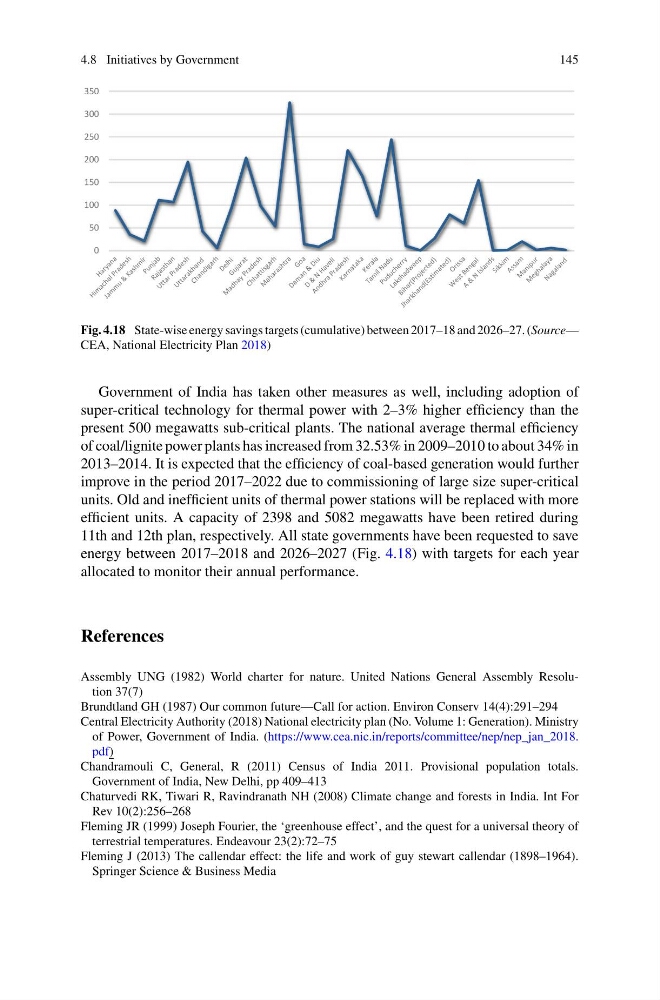
Fig. 4.18 State-wise energy savings targets (cumulative) between 2017–18 and 2026–27. (Source—
CEA, National Electricity Plan 2018)
Government of India has taken other measures as well, including adoption of
super-critical technology for thermal power with 2–3% higher efficiency than the
present 500 megawatts sub-critical plants. The national average thermal efficiency
of coal/lignite power plants has increased from 32.53% in 2009–2010 to about 34% in
2013–2014. It is expected that the efficiency of coal-based generation would further
improve in the period 2017–2022 due to commissioning of large size super-critical
units. Old and inefficient units of thermal power stations will be replaced with more
efficient units. A capacity of 2398 and 5082 megawatts have been retired during
11th and 12th plan, respectively. All state governments have been requested to save
energy between 2017–2018 and 2026–2027 (Fig. 4.18) with targets for each year
allocated to monitor their annual performance.
References
Assembly UNG (1982) World charter for nature. United Nations General Assembly Resolution 37(7)
Brundtland GH (1987) Our common future—Call for action. Environ Conserv 14(4):291–294
Central Electricity Authority (2018) National electricity plan (No. Volume 1: Generation). Ministry
of Power, Government of India. (https://www.cea.nic.in/reports/committee/nep/nep_jan_2018.
pdf)
Chandramouli C, General, R (2011) Census of India 2011. Provisional population totals.
Government of India, New Delhi, pp 409–413
Chaturvedi RK, Tiwari R, Ravindranath NH (2008) Climate change and forests in India. Int For
Rev 10(2):256–268
Fleming JR (1999) Joseph Fourier, the ‘greenhouse effect’, and the quest for a universal theory of
terrestrial temperatures. Endeavour 23(2):72–75
Fleming J (2013) The callendar effect: the life and work of guy stewart callendar (1898–1964).
Springer Science & Business Media
145
0
50
100
150
200
250
300
350
Fig. 4.18 State-wise energy savings targets (cumulative) between 2017–18 and 2026–27. (Source—
CEA, National Electricity Plan 2018)
Government of India has taken other measures as well, including adoption of
super-critical technology for thermal power with 2–3% higher efficiency than the
present 500 megawatts sub-critical plants. The national average thermal efficiency
of coal/lignite power plants has increased from 32.53% in 2009–2010 to about 34% in
2013–2014. It is expected that the efficiency of coal-based generation would further
improve in the period 2017–2022 due to commissioning of large size super-critical
units. Old and inefficient units of thermal power stations will be replaced with more
efficient units. A capacity of 2398 and 5082 megawatts have been retired during
11th and 12th plan, respectively. All state governments have been requested to save
energy between 2017–2018 and 2026–2027 (Fig. 4.18) with targets for each year
allocated to monitor their annual performance.
References
Assembly UNG (1982) World charter for nature. United Nations General Assembly Resolution 37(7)
Brundtland GH (1987) Our common future—Call for action. Environ Conserv 14(4):291–294
Central Electricity Authority (2018) National electricity plan (No. Volume 1: Generation). Ministry
of Power, Government of India. (https://www.cea.nic.in/reports/committee/nep/nep_jan_2018.
pdf)
Chandramouli C, General, R (2011) Census of India 2011. Provisional population totals.
Government of India, New Delhi, pp 409–413
Chaturvedi RK, Tiwari R, Ravindranath NH (2008) Climate change and forests in India. Int For
Rev 10(2):256–268
Fleming JR (1999) Joseph Fourier, the ‘greenhouse effect’, and the quest for a universal theory of
terrestrial temperatures. Endeavour 23(2):72–75
Fleming J (2013) The callendar effect: the life and work of guy stewart callendar (1898–1964).
Springer Science & Business Media