

3.8 India’s Domestic Energy Balance in 2040
117
-10.32
68.72
44.30
70.06
41.45
33.08
52.14
35.45
32.53
68.57
62.86
91.43
81.67
78.26
106.98
240.48
175.61
105.56
119.35
82.14
65.38
100.00
89.47
225.00
6.6
7.5
8.9
10.6
12.8
15.4
6.8
7.1
7.9
9.4
11.4
13.6
1.3
1.4
1.4
1.5
1.6
1.7
2015
2020
2025
2030
2035
2040
Energy-intensive manufacturing
Nonenergy-intensive manufacturing
Nonmanufacturing
a
b
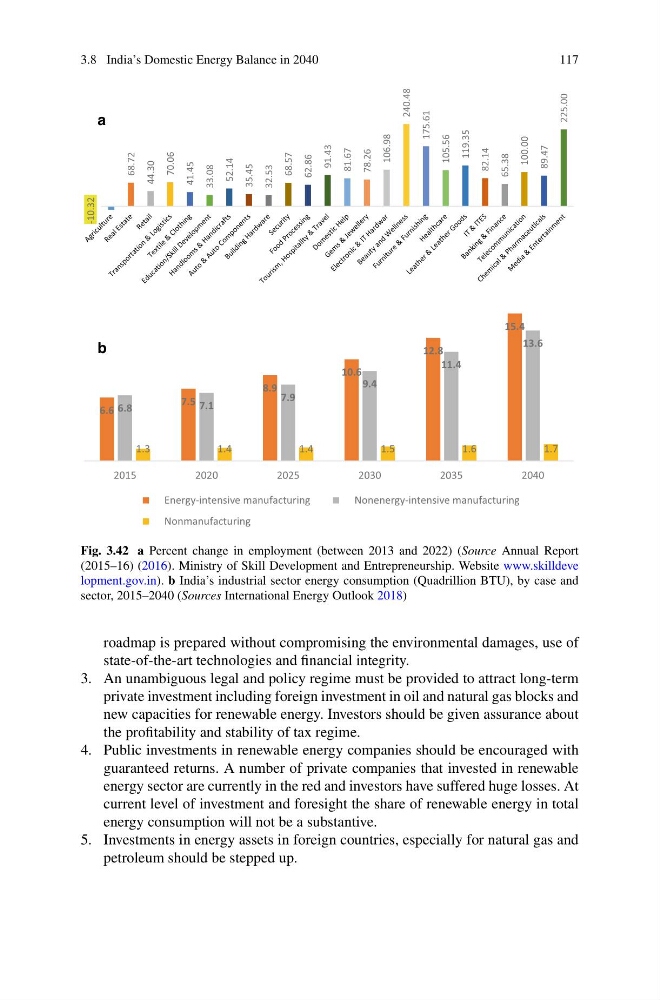
Fig. 3.42 a Percent change in employment (between 2013 and 2022) (Source Annual Report
(2015–16) (2016). Ministry of Skill Development and Entrepreneurship. Website www.skilldeve
lopment.gov.in). b India’s industrial sector energy consumption (Quadrillion BTU), by case and
sector, 2015–2040 (Sources International Energy Outlook 2018)
roadmap is prepared without compromising the environmental damages, use of
state-of-the-art technologies and financial integrity.
3. An unambiguous legal and policy regime must be provided to attract long-term
private investment including foreign investment in oil and natural gas blocks and
new capacities for renewable energy. Investors should be given assurance about
the profitability and stability of tax regime.
4. Public investments in renewable energy companies should be encouraged with
guaranteed returns. A number of private companies that invested in renewable
energy sector are currently in the red and investors have suffered huge losses. At
current level of investment and foresight the share of renewable energy in total
energy consumption will not be a substantive.
5. Investments in energy assets in foreign countries, especially for natural gas and
petroleum should be stepped up.
117
-10.32
68.72
44.30
70.06
41.45
33.08
52.14
35.45
32.53
68.57
62.86
91.43
81.67
78.26
106.98
240.48
175.61
105.56
119.35
82.14
65.38
100.00
89.47
225.00
6.6
7.5
8.9
10.6
12.8
15.4
6.8
7.1
7.9
9.4
11.4
13.6
1.3
1.4
1.4
1.5
1.6
1.7
2015
2020
2025
2030
2035
2040
Energy-intensive manufacturing
Nonenergy-intensive manufacturing
Nonmanufacturing
a
b
Fig. 3.42 a Percent change in employment (between 2013 and 2022) (Source Annual Report
(2015–16) (2016). Ministry of Skill Development and Entrepreneurship. Website www.skilldeve
lopment.gov.in). b India’s industrial sector energy consumption (Quadrillion BTU), by case and
sector, 2015–2040 (Sources International Energy Outlook 2018)
roadmap is prepared without compromising the environmental damages, use of
state-of-the-art technologies and financial integrity.
3. An unambiguous legal and policy regime must be provided to attract long-term
private investment including foreign investment in oil and natural gas blocks and
new capacities for renewable energy. Investors should be given assurance about
the profitability and stability of tax regime.
4. Public investments in renewable energy companies should be encouraged with
guaranteed returns. A number of private companies that invested in renewable
energy sector are currently in the red and investors have suffered huge losses. At
current level of investment and foresight the share of renewable energy in total
energy consumption will not be a substantive.
5. Investments in energy assets in foreign countries, especially for natural gas and
petroleum should be stepped up.