

116
3 The Challenges of Energy Supply
Andhra Pradesh,
-17.21
Arunachal Pradesh, -9.32
Assam, -3.98
Chandigarh, -100.00
Dadra and Nagar Haveli, -
100.00
Delhi, -43.48
Goa, -100.00
Kerala, -22.28
Lakshadweep, -100.00
Manipur, -
8.45
Mizoram, -100.00
Nagaland, -
10.86
Puducherry, -43.64
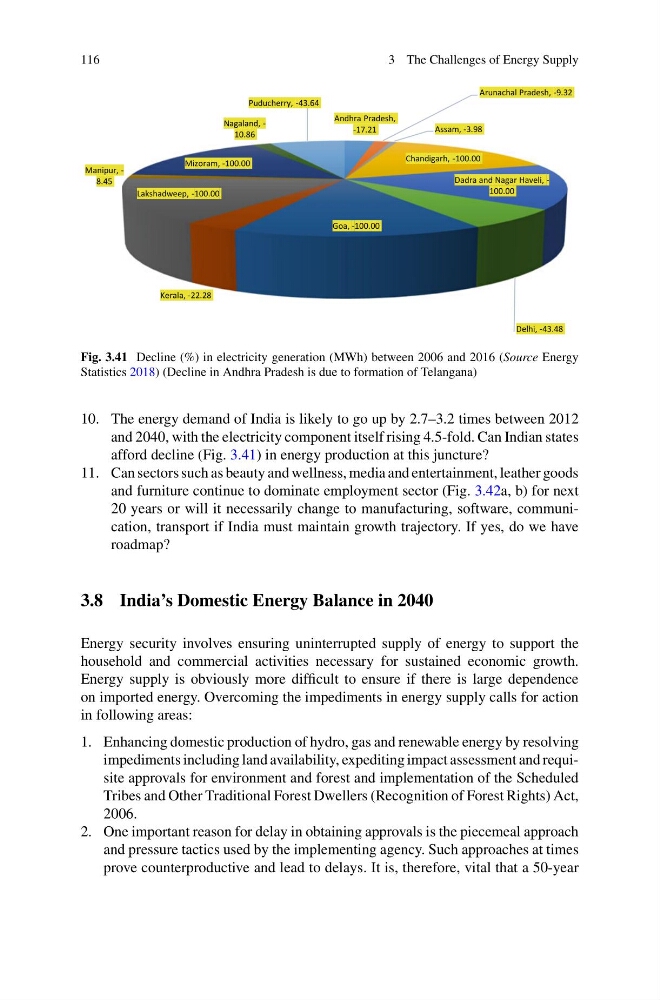
Fig. 3.41 Decline (%) in electricity generation (MWh) between 2006 and 2016 (Source Energy
Statistics 2018) (Decline in Andhra Pradesh is due to formation of Telangana)
10. The energy demand of India is likely to go up by 2.7–3.2 times between 2012
and 2040, with the electricity component itself rising 4.5-fold. Can Indian states
afford decline (Fig. 3.41) in energy production at this juncture?
11. Can sectors such as beauty and wellness, media and entertainment, leather goods
and furniture continue to dominate employment sector (Fig. 3.42a, b) for next
20 years or will it necessarily change to manufacturing, software, communication, transport if India must maintain growth trajectory. If yes, do we have
roadmap?
3.8 India’s Domestic Energy Balance in 2040
Energy security involves ensuring uninterrupted supply of energy to support the
household and commercial activities necessary for sustained economic growth.
Energy supply is obviously more difficult to ensure if there is large dependence
on imported energy. Overcoming the impediments in energy supply calls for action
in following areas:
1. Enhancing domestic production of hydro, gas and renewable energy by resolving
impediments including land availability, expediting impact assessment and requisite approvals for environment and forest and implementation of the Scheduled
Tribes and Other Traditional Forest Dwellers (Recognition of Forest Rights) Act,
2006.
2. One important reason for delay in obtaining approvals is the piecemeal approach
and pressure tactics used by the implementing agency. Such approaches at times
prove counterproductive and lead to delays. It is, therefore, vital that a 50-year
3 The Challenges of Energy Supply
Andhra Pradesh,
-17.21
Arunachal Pradesh, -9.32
Assam, -3.98
Chandigarh, -100.00
Dadra and Nagar Haveli, -
100.00
Delhi, -43.48
Goa, -100.00
Kerala, -22.28
Lakshadweep, -100.00
Manipur, -
8.45
Mizoram, -100.00
Nagaland, -
10.86
Puducherry, -43.64
Fig. 3.41 Decline (%) in electricity generation (MWh) between 2006 and 2016 (Source Energy
Statistics 2018) (Decline in Andhra Pradesh is due to formation of Telangana)
10. The energy demand of India is likely to go up by 2.7–3.2 times between 2012
and 2040, with the electricity component itself rising 4.5-fold. Can Indian states
afford decline (Fig. 3.41) in energy production at this juncture?
11. Can sectors such as beauty and wellness, media and entertainment, leather goods
and furniture continue to dominate employment sector (Fig. 3.42a, b) for next
20 years or will it necessarily change to manufacturing, software, communication, transport if India must maintain growth trajectory. If yes, do we have
roadmap?
3.8 India’s Domestic Energy Balance in 2040
Energy security involves ensuring uninterrupted supply of energy to support the
household and commercial activities necessary for sustained economic growth.
Energy supply is obviously more difficult to ensure if there is large dependence
on imported energy. Overcoming the impediments in energy supply calls for action
in following areas:
1. Enhancing domestic production of hydro, gas and renewable energy by resolving
impediments including land availability, expediting impact assessment and requisite approvals for environment and forest and implementation of the Scheduled
Tribes and Other Traditional Forest Dwellers (Recognition of Forest Rights) Act,
2006.
2. One important reason for delay in obtaining approvals is the piecemeal approach
and pressure tactics used by the implementing agency. Such approaches at times
prove counterproductive and lead to delays. It is, therefore, vital that a 50-year