

8 Fetal Alcohol Spectrum Disorder: Embryogenesis Under …
205
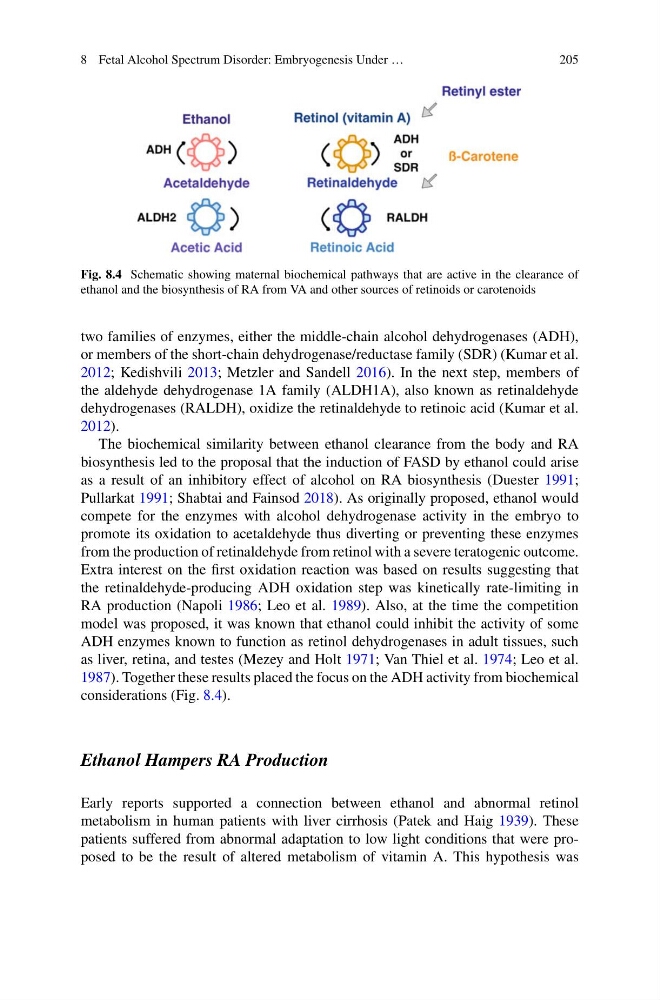
Fig. 8.4 Schematic showing maternal biochemical pathways that are active in the clearance of
ethanol and the biosynthesis of RA from VA and other sources of retinoids or carotenoids
two families of enzymes, either the middle-chain alcohol dehydrogenases (ADH),
or members of the short-chain dehydrogenase/reductase family (SDR) (Kumar et al.
2012; Kedishvili 2013; Metzler and Sandell 2016). In the next step, members of
the aldehyde dehydrogenase 1A family (ALDH1A), also known as retinaldehyde
dehydrogenases (RALDH), oxidize the retinaldehyde to retinoic acid (Kumar et al.
2012).
The biochemical similarity between ethanol clearance from the body and RA
biosynthesis led to the proposal that the induction of FASD by ethanol could arise
as a result of an inhibitory effect of alcohol on RA biosynthesis (Duester 1991;
Pullarkat 1991; Shabtai and Fainsod 2018). As originally proposed, ethanol would
compete for the enzymes with alcohol dehydrogenase activity in the embryo to
promote its oxidation to acetaldehyde thus diverting or preventing these enzymes
from the production of retinaldehyde from retinol with a severe teratogenic outcome.
Extra interest on the first oxidation reaction was based on results suggesting that
the retinaldehyde-producing ADH oxidation step was kinetically rate-limiting in
RA production (Napoli 1986; Leo et al. 1989). Also, at the time the competition
model was proposed, it was known that ethanol could inhibit the activity of some
ADH enzymes known to function as retinol dehydrogenases in adult tissues, such
as liver, retina, and testes (Mezey and Holt 1971; Van Thiel et al. 1974; Leo et al.
1987). Together these results placed the focus on the ADH activity from biochemical
considerations (Fig. 8.4).
Ethanol Hampers RA Production
Early reports supported a connection between ethanol and abnormal retinol
metabolism in human patients with liver cirrhosis (Patek and Haig 1939). These
patients suffered from abnormal adaptation to low light conditions that were proposed to be the result of altered metabolism of vitamin A. This hypothesis was
205
Fig. 8.4 Schematic showing maternal biochemical pathways that are active in the clearance of
ethanol and the biosynthesis of RA from VA and other sources of retinoids or carotenoids
two families of enzymes, either the middle-chain alcohol dehydrogenases (ADH),
or members of the short-chain dehydrogenase/reductase family (SDR) (Kumar et al.
2012; Kedishvili 2013; Metzler and Sandell 2016). In the next step, members of
the aldehyde dehydrogenase 1A family (ALDH1A), also known as retinaldehyde
dehydrogenases (RALDH), oxidize the retinaldehyde to retinoic acid (Kumar et al.
2012).
The biochemical similarity between ethanol clearance from the body and RA
biosynthesis led to the proposal that the induction of FASD by ethanol could arise
as a result of an inhibitory effect of alcohol on RA biosynthesis (Duester 1991;
Pullarkat 1991; Shabtai and Fainsod 2018). As originally proposed, ethanol would
compete for the enzymes with alcohol dehydrogenase activity in the embryo to
promote its oxidation to acetaldehyde thus diverting or preventing these enzymes
from the production of retinaldehyde from retinol with a severe teratogenic outcome.
Extra interest on the first oxidation reaction was based on results suggesting that
the retinaldehyde-producing ADH oxidation step was kinetically rate-limiting in
RA production (Napoli 1986; Leo et al. 1989). Also, at the time the competition
model was proposed, it was known that ethanol could inhibit the activity of some
ADH enzymes known to function as retinol dehydrogenases in adult tissues, such
as liver, retina, and testes (Mezey and Holt 1971; Van Thiel et al. 1974; Leo et al.
1987). Together these results placed the focus on the ADH activity from biochemical
considerations (Fig. 8.4).
Ethanol Hampers RA Production
Early reports supported a connection between ethanol and abnormal retinol
metabolism in human patients with liver cirrhosis (Patek and Haig 1939). These
patients suffered from abnormal adaptation to low light conditions that were proposed to be the result of altered metabolism of vitamin A. This hypothesis was