

8 BETWEEN THE RHETORIC AND THE REALITY: RENEWABLE ENERGY …
185
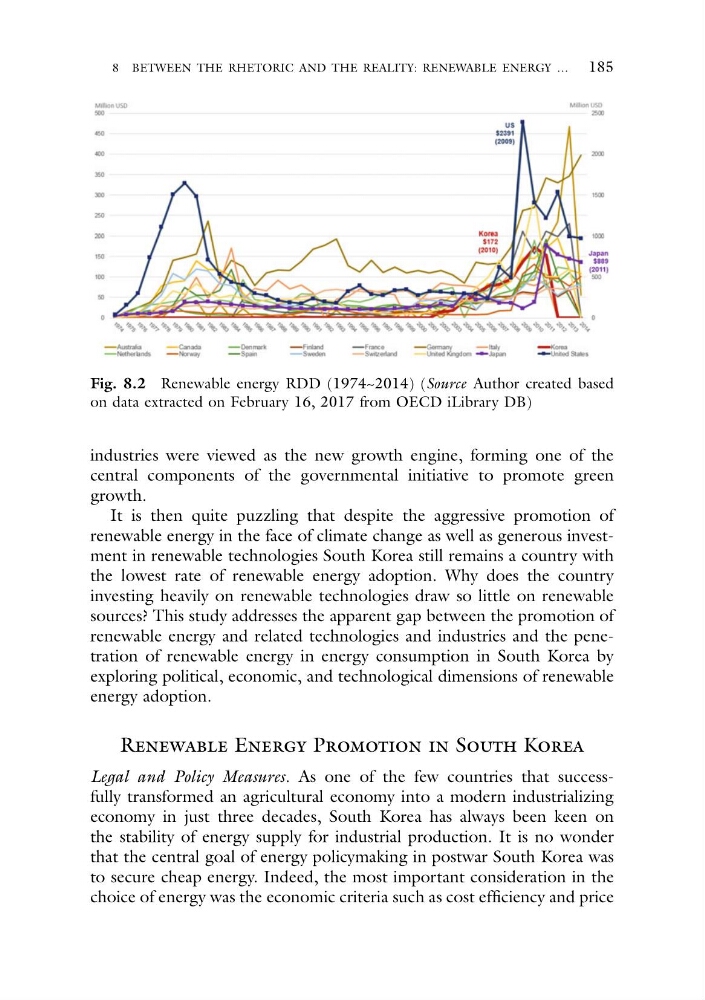
Fig. 8.2 Renewable energy RDD (1974~2014) (Source Author created based
on data extracted on February 16, 2017 from OECD iLibrary DB)
industries were viewed as the new growth engine, forming one of the
central components of the governmental initiative to promote green
growth.
It is then quite puzzling that despite the aggressive promotion of
renewable energy in the face of climate change as well as generous investment in renewable technologies South Korea still remains a country with
the lowest rate of renewable energy adoption. Why does the country
investing heavily on renewable technologies draw so little on renewable
sources? This study addresses the apparent gap between the promotion of
renewable energy and related technologies and industries and the penetration of renewable energy in energy consumption in South Korea by
exploring political, economic, and technological dimensions of renewable
energy adoption.
Renewable Energy Promotion in South Korea
Legal and Policy Measures. As one of the few countries that successfully transformed an agricultural economy into a modern industrializing
economy in just three decades, South Korea has always been keen on
the stability of energy supply for industrial production. It is no wonder
that the central goal of energy policymaking in postwar South Korea was
to secure cheap energy. Indeed, the most important consideration in the
choice of energy was the economic criteria such as cost efficiency and price
185
Fig. 8.2 Renewable energy RDD (1974~2014) (Source Author created based
on data extracted on February 16, 2017 from OECD iLibrary DB)
industries were viewed as the new growth engine, forming one of the
central components of the governmental initiative to promote green
growth.
It is then quite puzzling that despite the aggressive promotion of
renewable energy in the face of climate change as well as generous investment in renewable technologies South Korea still remains a country with
the lowest rate of renewable energy adoption. Why does the country
investing heavily on renewable technologies draw so little on renewable
sources? This study addresses the apparent gap between the promotion of
renewable energy and related technologies and industries and the penetration of renewable energy in energy consumption in South Korea by
exploring political, economic, and technological dimensions of renewable
energy adoption.
Renewable Energy Promotion in South Korea
Legal and Policy Measures. As one of the few countries that successfully transformed an agricultural economy into a modern industrializing
economy in just three decades, South Korea has always been keen on
the stability of energy supply for industrial production. It is no wonder
that the central goal of energy policymaking in postwar South Korea was
to secure cheap energy. Indeed, the most important consideration in the
choice of energy was the economic criteria such as cost efficiency and price