

6 RENEWABLE ENERGY AS A NEW CHOICE FOR CONSUMERS …
145
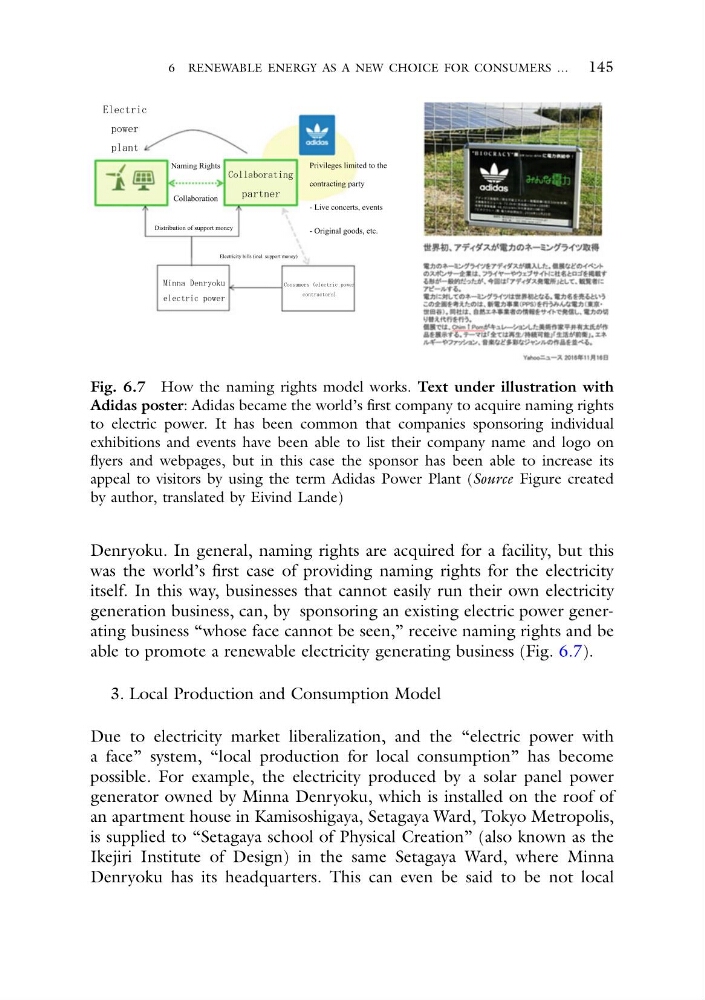
Fig. 6.7 How the naming rights model works. Text under illustration with
Adidas poster: Adidas became the world’s first company to acquire naming rights
to electric power. It has been common that companies sponsoring individual
exhibitions and events have been able to list their company name and logo on
flyers and webpages, but in this case the sponsor has been able to increase its
appeal to visitors by using the term Adidas Power Plant (Source Figure created
by author, translated by Eivind Lande)
Denryoku. In general, naming rights are acquired for a facility, but this
was the world’s first case of providing naming rights for the electricity
itself. In this way, businesses that cannot easily run their own electricity
generation business, can, by sponsoring an existing electric power generating business “whose face cannot be seen,” receive naming rights and be
able to promote a renewable electricity generating business (Fig. 6.7).
3. Local Production and Consumption Model
Due to electricity market liberalization, and the “electric power with
a face” system, “local production for local consumption” has become
possible. For example, the electricity produced by a solar panel power
generator owned by Minna Denryoku, which is installed on the roof of
an apartment house in Kamisoshigaya, Setagaya Ward, Tokyo Metropolis,
is supplied to “Setagaya school of Physical Creation” (also known as the
Ikejiri Institute of Design) in the same Setagaya Ward, where Minna
Denryoku has its headquarters. This can even be said to be not local
145
Fig. 6.7 How the naming rights model works. Text under illustration with
Adidas poster: Adidas became the world’s first company to acquire naming rights
to electric power. It has been common that companies sponsoring individual
exhibitions and events have been able to list their company name and logo on
flyers and webpages, but in this case the sponsor has been able to increase its
appeal to visitors by using the term Adidas Power Plant (Source Figure created
by author, translated by Eivind Lande)
Denryoku. In general, naming rights are acquired for a facility, but this
was the world’s first case of providing naming rights for the electricity
itself. In this way, businesses that cannot easily run their own electricity
generation business, can, by sponsoring an existing electric power generating business “whose face cannot be seen,” receive naming rights and be
able to promote a renewable electricity generating business (Fig. 6.7).
3. Local Production and Consumption Model
Due to electricity market liberalization, and the “electric power with
a face” system, “local production for local consumption” has become
possible. For example, the electricity produced by a solar panel power
generator owned by Minna Denryoku, which is installed on the roof of
an apartment house in Kamisoshigaya, Setagaya Ward, Tokyo Metropolis,
is supplied to “Setagaya school of Physical Creation” (also known as the
Ikejiri Institute of Design) in the same Setagaya Ward, where Minna
Denryoku has its headquarters. This can even be said to be not local