

Emerging Water Pollutants and Wastewater Treatments
19
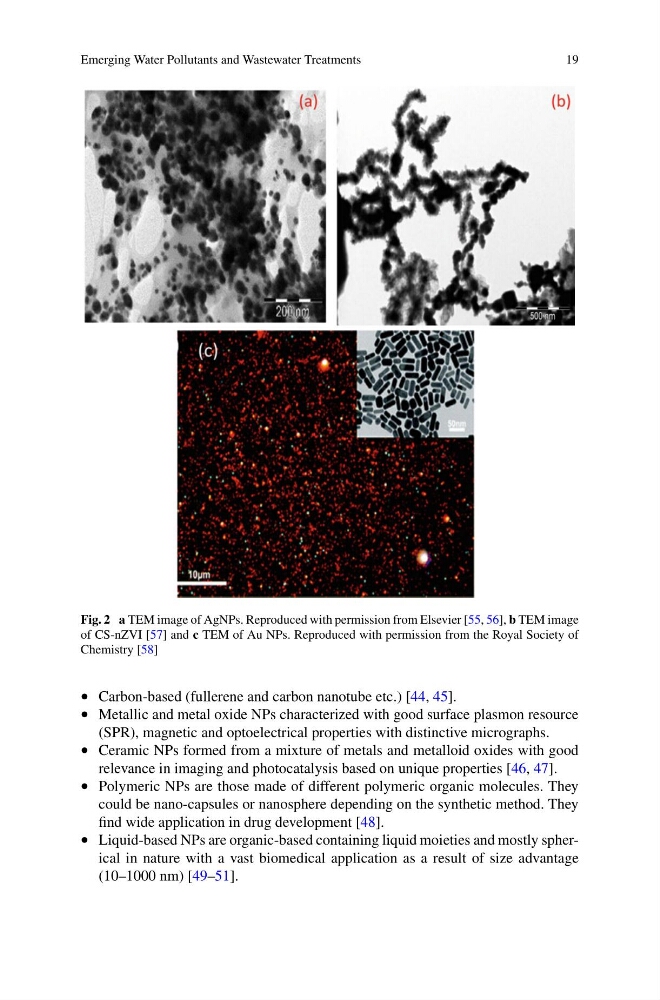
Fig. 2 a TEM image of AgNPs. Reproduced with permission from Elsevier [55, 56], b TEM image
of CS-nZVI [57] and c TEM of Au NPs. Reproduced with permission from the Royal Society of
Chemistry [58]
• Carbon-based (fullerene and carbon nanotube etc.) [44, 45].
• Metallic and metal oxide NPs characterized with good surface plasmon resource
(SPR), magnetic and optoelectrical properties with distinctive micrographs.
• Ceramic NPs formed from a mixture of metals and metalloid oxides with good
relevance in imaging and photocatalysis based on unique properties [46, 47].
• Polymeric NPs are those made of different polymeric organic molecules. They
could be nano-capsules or nanosphere depending on the synthetic method. They
find wide application in drug development [48].
• Liquid-based NPs are organic-based containing liquid moieties and mostly spherical in nature with a vast biomedical application as a result of size advantage
(10–1000 nm) [49–51].
19
Fig. 2 a TEM image of AgNPs. Reproduced with permission from Elsevier [55, 56], b TEM image
of CS-nZVI [57] and c TEM of Au NPs. Reproduced with permission from the Royal Society of
Chemistry [58]
• Carbon-based (fullerene and carbon nanotube etc.) [44, 45].
• Metallic and metal oxide NPs characterized with good surface plasmon resource
(SPR), magnetic and optoelectrical properties with distinctive micrographs.
• Ceramic NPs formed from a mixture of metals and metalloid oxides with good
relevance in imaging and photocatalysis based on unique properties [46, 47].
• Polymeric NPs are those made of different polymeric organic molecules. They
could be nano-capsules or nanosphere depending on the synthetic method. They
find wide application in drug development [48].
• Liquid-based NPs are organic-based containing liquid moieties and mostly spherical in nature with a vast biomedical application as a result of size advantage
(10–1000 nm) [49–51].