

as, the hydride donor in the reduced centre (Mo
4+
–SH) of
hydroxybenzoyl-CoA reductase
7 [203, 204]. This “twin” behaviour
(oxidised/hydride acceptor versus reduced/hydride donor) is supported by a
remarkable characteristic of the Mo/W-ligands: the pK a values of the coordinated ligands change dramatically with the oxidation state of the metal and
determine that the higher oxidation states should hold deprotonated ligands,
that is Mo/W
6+ =S, while the lower oxidation states should hold protonated
ligands, that is Mo/W
4+
–SH [205–207]. This behaviour (Eq. 10) enables the
metal-sulfido to act as a hydride acceptor/donor and is supported by the high
covalency of the terminal sulfur atom in the metal sulfido group, with an
available S p-bond well suited to accept a hydride.
Mo=W
6 þ
¼ S þ 2e
À
þ H
þ
ð
Þ
Mo=W
4 þ
À SH
ð10Þ
The involvement of the sulfido group as the hydride acceptor during FDH
catalysis was demonstrated by electron paramagnetic resonance (EPR) spectroscopic studies that showed that, in formate-reduced FDH, the formate Ca
hydrogen atom is transferred to an acceptor group located within magnetic contact
to the molybdenum atom of FDHs from different sources (E. coli [166], D.
desulfuricans [136] or Cupriavidus necator (previously known as Ralstonia
eutropha) [184]). The observation of a strongly coupled, solvent-exchangeable
and substrate-derived proton, with a hyperfine constant of 20–30 MHz, is consistent with the hydrogen atom being transferred to a ligand in the first coordination sphere of the molybdenum atom upon its reduction [196, 197, 200, 201,
208]. Similar hyperfine constant values were determined in model complexes
[209] and also in real enzymes, as in xanthine oxidase, where the strong coupled
hydrogen is originated from the xanthine C8 hydrogen atom (the position that is
hydroxylated by that enzyme (see Footnote 6) [196–198, 200–202, 208]. It should
be noted that a hyperfine interaction of this magnitude could not arise from the
transfer of the formate Ca hydrogen atom to an acceptor in the second coordination sphere of the metal, for example, transfer to the conserved histidine residue, as initially proposed [116, 117, 166, 169, 180–183], or transfer to the
selenocysteine/cysteine residue if it had been dissociated from the
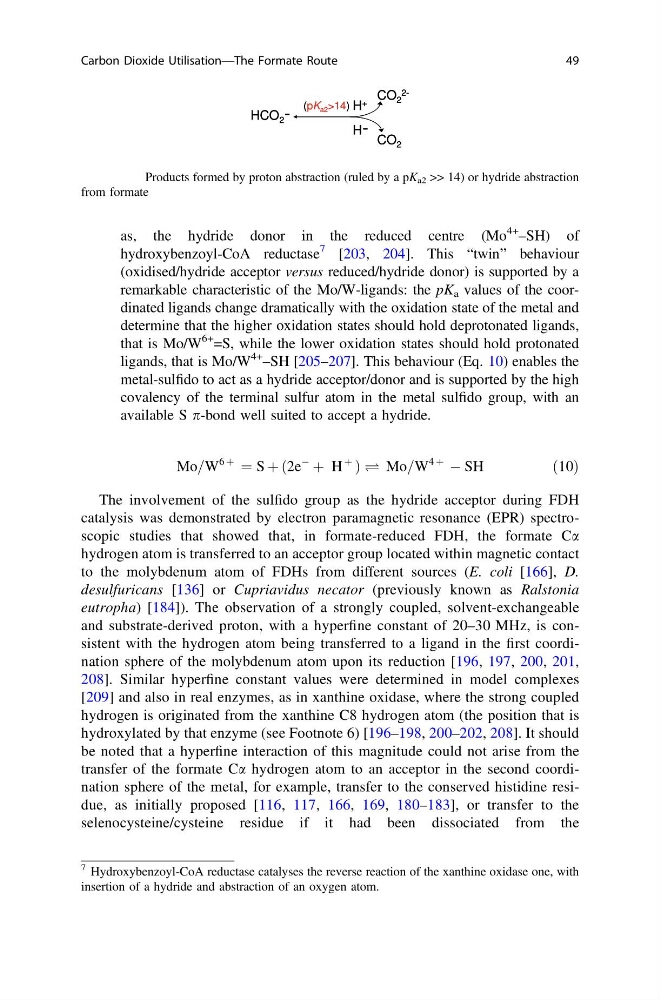
Scheme 1 Products formed by proton abstraction (ruled by a pK a2 >> 14) or hydride abstraction
from formate
7 Hydroxybenzoyl-CoA reductase catalyses the reverse reaction of the xanthine oxidase one, with
insertion of a hydride and abstraction of an oxygen atom.
Carbon Dioxide Utilisation—The Formate Route
49
4+
–SH) of
hydroxybenzoyl-CoA reductase
7 [203, 204]. This “twin” behaviour
(oxidised/hydride acceptor versus reduced/hydride donor) is supported by a
remarkable characteristic of the Mo/W-ligands: the pK a values of the coordinated ligands change dramatically with the oxidation state of the metal and
determine that the higher oxidation states should hold deprotonated ligands,
that is Mo/W
6+ =S, while the lower oxidation states should hold protonated
ligands, that is Mo/W
4+
–SH [205–207]. This behaviour (Eq. 10) enables the
metal-sulfido to act as a hydride acceptor/donor and is supported by the high
covalency of the terminal sulfur atom in the metal sulfido group, with an
available S p-bond well suited to accept a hydride.
Mo=W
6 þ
¼ S þ 2e
À
þ H
þ
ð
Þ
Mo=W
4 þ
À SH
ð10Þ
The involvement of the sulfido group as the hydride acceptor during FDH
catalysis was demonstrated by electron paramagnetic resonance (EPR) spectroscopic studies that showed that, in formate-reduced FDH, the formate Ca
hydrogen atom is transferred to an acceptor group located within magnetic contact
to the molybdenum atom of FDHs from different sources (E. coli [166], D.
desulfuricans [136] or Cupriavidus necator (previously known as Ralstonia
eutropha) [184]). The observation of a strongly coupled, solvent-exchangeable
and substrate-derived proton, with a hyperfine constant of 20–30 MHz, is consistent with the hydrogen atom being transferred to a ligand in the first coordination sphere of the molybdenum atom upon its reduction [196, 197, 200, 201,
208]. Similar hyperfine constant values were determined in model complexes
[209] and also in real enzymes, as in xanthine oxidase, where the strong coupled
hydrogen is originated from the xanthine C8 hydrogen atom (the position that is
hydroxylated by that enzyme (see Footnote 6) [196–198, 200–202, 208]. It should
be noted that a hyperfine interaction of this magnitude could not arise from the
transfer of the formate Ca hydrogen atom to an acceptor in the second coordination sphere of the metal, for example, transfer to the conserved histidine residue, as initially proposed [116, 117, 166, 169, 180–183], or transfer to the
selenocysteine/cysteine residue if it had been dissociated from the
Scheme 1 Products formed by proton abstraction (ruled by a pK a2 >> 14) or hydride abstraction
from formate
7 Hydroxybenzoyl-CoA reductase catalyses the reverse reaction of the xanthine oxidase one, with
insertion of a hydride and abstraction of an oxygen atom.
Carbon Dioxide Utilisation—The Formate Route
49