

In this chapter, we review in detail the mechanisms that support EET from
electroactive microorganisms to the anode in BES. We focus on the model
organism Shewanella oneidensis MR-1, due to the existence of an extensive
molecular characterization of its EET processes. The recent developments in the
characterization of the enzymes involved in these mechanisms will also be
reviewed.
2 Extracellular Electron Transfer Mechanisms
Extracellular electron transfer is defined as a metabolic process that enables electron
transfer between cells and extracellular solid materials and is based on one of the
oldest types of microbial respiration, the dissimilatory reduction of iron [21].
The EET process between electroactive microorganisms and electrodes is the
footstone for developing MFCs and other BES, which connect the intracellular
bioenergetic pathways of microorganisms with the electrochemical reactions of
electrodes [22, 23].
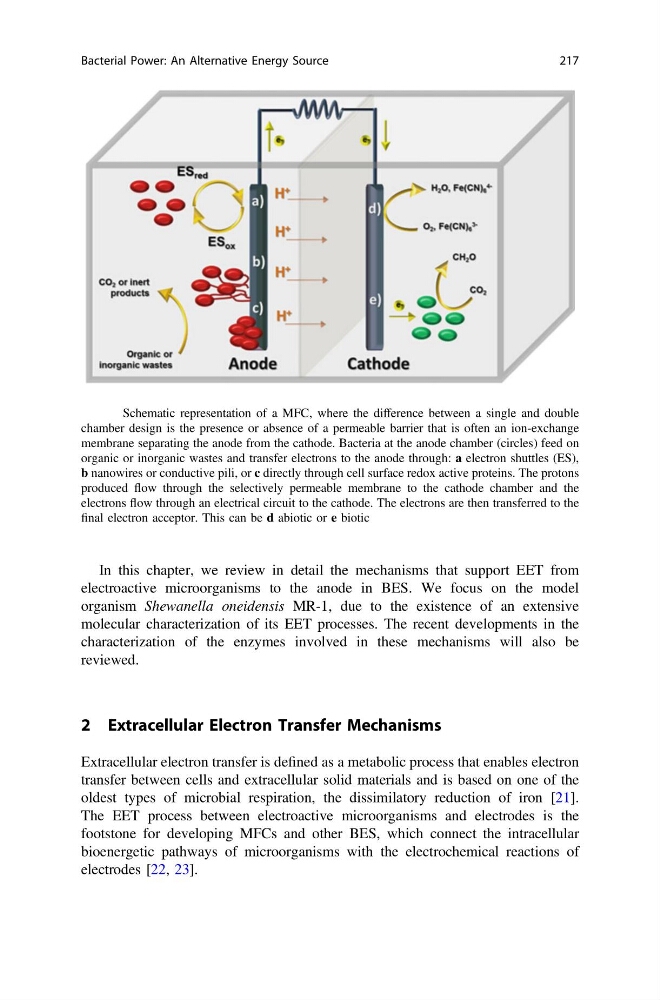
Fig. 1 Schematic representation of a MFC, where the difference between a single and double
chamber design is the presence or absence of a permeable barrier that is often an ion-exchange
membrane separating the anode from the cathode. Bacteria at the anode chamber (circles) feed on
organic or inorganic wastes and transfer electrons to the anode through: a electron shuttles (ES),
b nanowires or conductive pili, or c directly through cell surface redox active proteins. The protons
produced flow through the selectively permeable membrane to the cathode chamber and the
electrons flow through an electrical circuit to the cathode. The electrons are then transferred to the
final electron acceptor. This can be d abiotic or e biotic
Bacterial Power: An Alternative Energy Source
217
electroactive microorganisms to the anode in BES. We focus on the model
organism Shewanella oneidensis MR-1, due to the existence of an extensive
molecular characterization of its EET processes. The recent developments in the
characterization of the enzymes involved in these mechanisms will also be
reviewed.
2 Extracellular Electron Transfer Mechanisms
Extracellular electron transfer is defined as a metabolic process that enables electron
transfer between cells and extracellular solid materials and is based on one of the
oldest types of microbial respiration, the dissimilatory reduction of iron [21].
The EET process between electroactive microorganisms and electrodes is the
footstone for developing MFCs and other BES, which connect the intracellular
bioenergetic pathways of microorganisms with the electrochemical reactions of
electrodes [22, 23].
Fig. 1 Schematic representation of a MFC, where the difference between a single and double
chamber design is the presence or absence of a permeable barrier that is often an ion-exchange
membrane separating the anode from the cathode. Bacteria at the anode chamber (circles) feed on
organic or inorganic wastes and transfer electrons to the anode through: a electron shuttles (ES),
b nanowires or conductive pili, or c directly through cell surface redox active proteins. The protons
produced flow through the selectively permeable membrane to the cathode chamber and the
electrons flow through an electrical circuit to the cathode. The electrons are then transferred to the
final electron acceptor. This can be d abiotic or e biotic
Bacterial Power: An Alternative Energy Source
217