

greenhouse gas emissions trends and climate change impacts and consequences
were overwhelming, the Paris Agreement was signed.
The Paris Agreement was conceptualized as a bottom-up running process, with
all the countries subjected to targets previously set by each one of them (namely,
the NDC), with a periodic five-year downward emission’s revision. Concerning the
goals of the Paris Agreement, three paragraphs are the most important: number 2 of
article 2 states the main goal to “holding the increase in the global average temperature to well below 2 °C above pre-industrial levels and pursuing efforts to limit
the temperature increase to 1.5 °C above pre-industrial levels, recognizing that this
would significantly reduce the risks and impacts of climate change”; number 2 of
article 4 states that “Parties aim to reach global peaking of greenhouse gas emissions as soon as possible, recognizing that peaking will take longer for developing
country Parties, and to undertake rapid reductions thereafter in accordance with best
available science, so as to achieve a balance between anthropogenic emissions by
sources and removals by sinks of greenhouse gases in the second half of this
century, on the basis of equity, and in the context of sustainable development and
efforts to eradicate poverty”; and number 9 of the same article 4 mentions the fact
that “each Party shall communicate a nationally determined contribution every five
years”, as part of the overall target’s revision already mentioned [1].
The Paris Agreement, in force since 2016 and ratified by 189 Parties, requires all
Parties to put forward their best efforts through nationally determined contributions
(NDC) setting specific emission reduction goals, and every five years, a global
stocktake will assess the collective progress towards achieving the purpose of the
Agreement. The Agreement provides a long-term vision (until the mid of the
century) which motivates and demands all nations for a long-term political goal to
IPCC, 1990
First
Assessment
Report
Climate Change
Framework
Convention
(UNFCCC)
1992
IPCC, 1995
Second
Assessment
Report
COP 3
Kyoto, 1997
Kyoto Protocol
IPCC, 2001
Third
Assessment
Report
IPCC, 2007
Fourth
Assessment
Report
COP15
Copenhagen, 2009
Global Agreement
Failed
IPCC, 2013
Fifth
Assessment
Report
COP 21
Paris, 2015
Paris Agreement
United Nations Science Support
United Nations Political Decisions
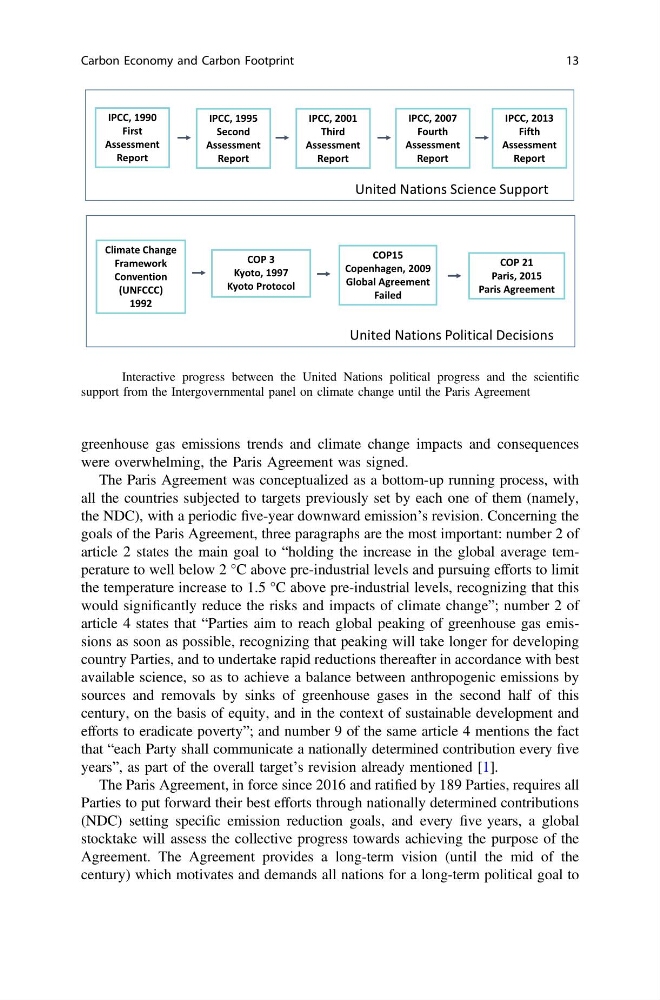
Fig. 4 Interactive progress between the United Nations political progress and the scientific
support from the Intergovernmental panel on climate change until the Paris Agreement
Carbon Economy and Carbon Footprint
13
were overwhelming, the Paris Agreement was signed.
The Paris Agreement was conceptualized as a bottom-up running process, with
all the countries subjected to targets previously set by each one of them (namely,
the NDC), with a periodic five-year downward emission’s revision. Concerning the
goals of the Paris Agreement, three paragraphs are the most important: number 2 of
article 2 states the main goal to “holding the increase in the global average temperature to well below 2 °C above pre-industrial levels and pursuing efforts to limit
the temperature increase to 1.5 °C above pre-industrial levels, recognizing that this
would significantly reduce the risks and impacts of climate change”; number 2 of
article 4 states that “Parties aim to reach global peaking of greenhouse gas emissions as soon as possible, recognizing that peaking will take longer for developing
country Parties, and to undertake rapid reductions thereafter in accordance with best
available science, so as to achieve a balance between anthropogenic emissions by
sources and removals by sinks of greenhouse gases in the second half of this
century, on the basis of equity, and in the context of sustainable development and
efforts to eradicate poverty”; and number 9 of the same article 4 mentions the fact
that “each Party shall communicate a nationally determined contribution every five
years”, as part of the overall target’s revision already mentioned [1].
The Paris Agreement, in force since 2016 and ratified by 189 Parties, requires all
Parties to put forward their best efforts through nationally determined contributions
(NDC) setting specific emission reduction goals, and every five years, a global
stocktake will assess the collective progress towards achieving the purpose of the
Agreement. The Agreement provides a long-term vision (until the mid of the
century) which motivates and demands all nations for a long-term political goal to
IPCC, 1990
First
Assessment
Report
Climate Change
Framework
Convention
(UNFCCC)
1992
IPCC, 1995
Second
Assessment
Report
COP 3
Kyoto, 1997
Kyoto Protocol
IPCC, 2001
Third
Assessment
Report
IPCC, 2007
Fourth
Assessment
Report
COP15
Copenhagen, 2009
Global Agreement
Failed
IPCC, 2013
Fifth
Assessment
Report
COP 21
Paris, 2015
Paris Agreement
United Nations Science Support
United Nations Political Decisions
Fig. 4 Interactive progress between the United Nations political progress and the scientific
support from the Intergovernmental panel on climate change until the Paris Agreement
Carbon Economy and Carbon Footprint
13