

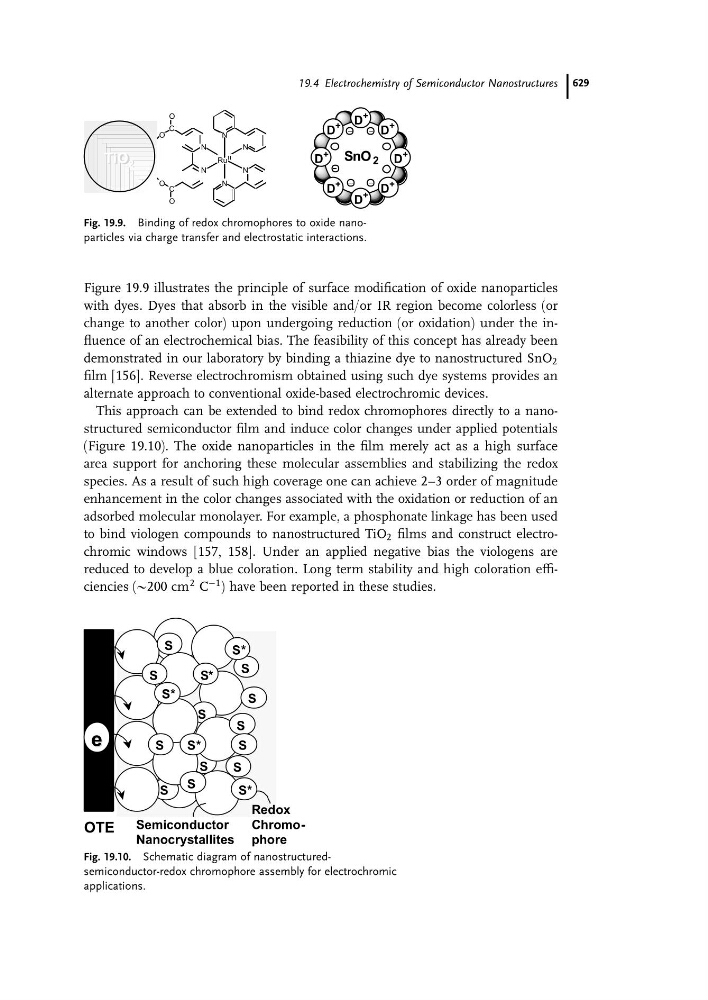
Figure 19.9 illustrates the principle of surface modification of oxide nanoparticles
with dyes. Dyes that absorb in the visible and/or IR region become colorless (or
change to another color) upon undergoing reduction (or oxidation) under the influence of an electrochemical bias. The feasibility of this concept has already been
demonstrated in our laboratory by binding a thiazine dye to nanostructured SnO 2
film [156]. Reverse electrochromism obtained using such dye systems provides an
alternate approach to conventional oxide-based electrochromic devices.
This approach can be extended to bind redox chromophores directly to a nanostructured semiconductor film and induce color changes under applied potentials
(Figure 19.10). The oxide nanoparticles in the film merely act as a high surface
area support for anchoring these molecular assemblies and stabilizing the redox
species. As a result of such high coverage one can achieve 2–3 order of magnitude
enhancement in the color changes associated with the oxidation or reduction of an
adsorbed molecular monolayer. For example, a phosphonate linkage has been used
to bind viologen compounds to nanostructured TiO 2 films and construct electrochromic windows [157, 158]. Under an applied negative bias the viologens are
reduced to develop a blue coloration. Long term stability and high coloration efficiencies (@200 cm
2 C
À1 ) have been reported in these studies.
SnO 2
D
+
D
+
D
+
D
+
D
+
D
+
D
+
D
+
N
N
N
N
N
N
Ru II
C
O
C
O
O
O
TiO
TiO 2
2
Fig. 19.9. Binding of redox chromophores to oxide nanoparticles via charge transfer and electrostatic interactions.
S
S
S
S
S
S
S
S
S
e
e
OTE Semiconductor
Nanocrystallites
S
S
S
S*
S*
S*
S*
S*
Redox
Chromophore
Fig. 19.10. Schematic diagram of nanostructuredsemiconductor-redox chromophore assembly for electrochromic
applications.
19.4 Electrochemistry of Semiconductor Nanostructures 629