

strated that, far from being limited to aluminosilicates and closely related materials, open-framework solids can be made with a rich diversity of chemistries. The
developments in the transition metal area, for example, mean that it is now possible to contemplate the creation of nanoporous solids that exhibit some of the interesting and useful properties that are found with condensed transition metal
compounds, e.g. ferromagnetism, metallic conductivity, and perhaps even superconductivity. The recent focus on hybrid materials has also extended the scope
dramatically, and led to exciting new possibilities in terms of both materials design
and novel applications. The story would not be complete without a mention of
some of the parallel developments in the organic area. Nanoporous organics have
been known for many decades in the context of gas clathrates, but many other
classes are now known. They include the channel-structured cyclodextrins, in
which hydrogen bonding plays a crucial role, and the calixarenes. It is also recognized that pore formation is important in the functionality of ion channel proteins
[158], and that proteins can be further functionalized for the design of sensors
[159]. This is undoubtedly a very rich field in which many other exciting discoveries will be made in the future.
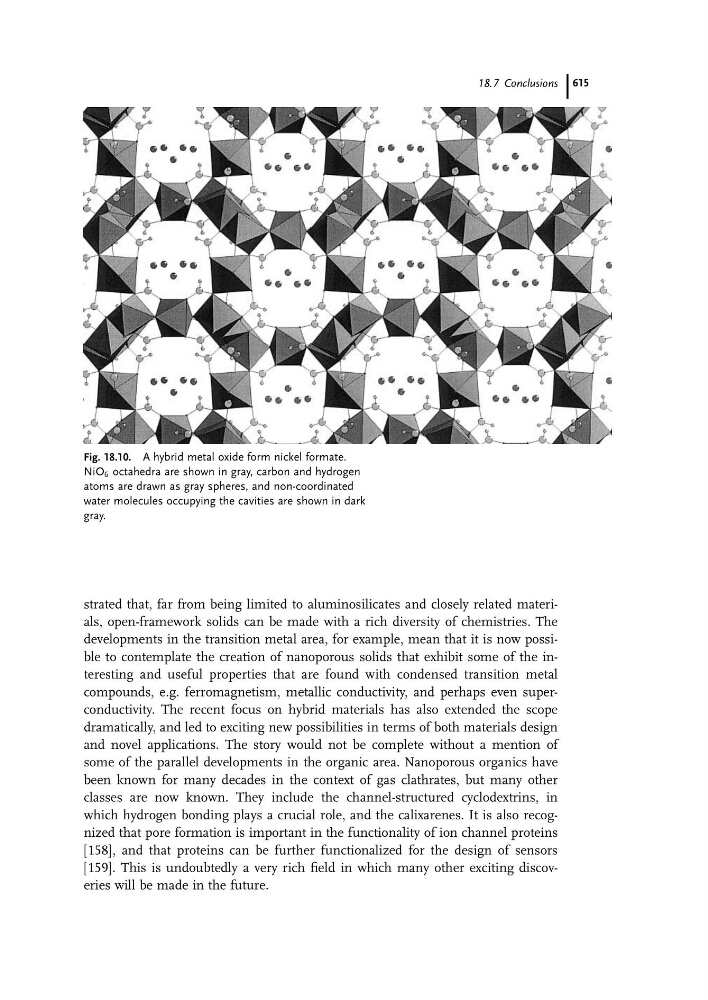
Fig. 18.10. A hybrid metal oxide form nickel formate.
NiO 6 octahedra are shown in gray, carbon and hydrogen
atoms are drawn as gray spheres, and non-coordinated
water molecules occupying the cavities are shown in dark
gray.
18.7 Conclusions 615