

nescence studies of microcavities have also been used for solvent sensing and
assessment of solvent penetration [110, 111].
Sensing of analytes via changes in both photoluminescence and reflectivity has
been combined in an electronic nose [112]. Experiments completed with both oxidized porous silicon substrates and metal oxide sensors revealed that the former
required only seconds after response to return to the signal baseline, whereas the
latter required over 15 min. By measuring both photoluminescence and reflectance
intensities for an array of substrates exposed to a mixture of organic vapors, the
nose was able to discriminate the analyte constituents. Discrimination indices calculated for several gaseous mixtures that were analyzed with porous silicon sensors
matched closely to values measured for sensing with metal oxides, establishing
this silicon nose to be a viable instrument for the analysis of vapor mixtures. In
comparison to existing metal oxide-derived noses, however, devices constructed
from porous silicon may be fabricated more cheaply and may almost certainly be
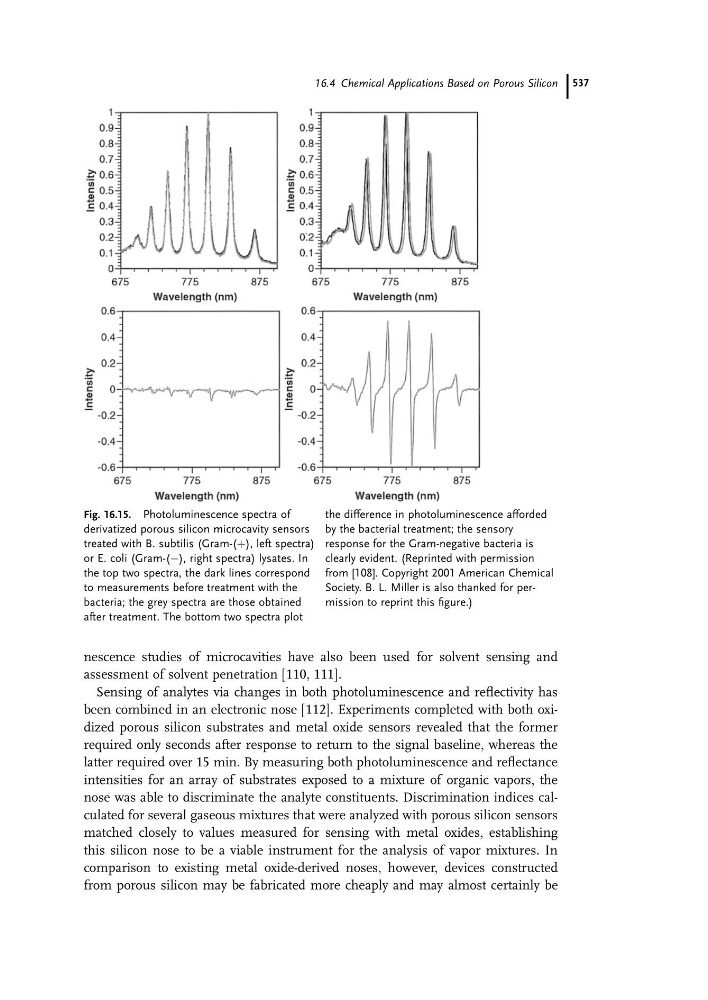
Fig. 16.15. Photoluminescence spectra of
derivatized porous silicon microcavity sensors
treated with B. subtilis (Gram-(þ), left spectra)
or E. coli (Gram-(À), right spectra) lysates. In
the top two spectra, the dark lines correspond
to measurements before treatment with the
bacteria; the grey spectra are those obtained
after treatment. The bottom two spectra plot
the difference in photoluminescence afforded
by the bacterial treatment; the sensory
response for the Gram-negative bacteria is
clearly evident. (Reprinted with permission
from [108]. Copyright 2001 American Chemical
Society. B. L. Miller is also thanked for permission to reprint this figure.)
16.4 Chemical Applications Based on Porous Silicon 537