

[56]. This reaction is driven via the photochemically induced elemination of TePh 2
from the copper centers, accounting for the presence of the interstitial telluride
ligands. The structure of the Cu 50 complex is markedly different from those of
[Cu 58 Te 32 (PR 2 R
0 ) 16Àn ] 14 synthesized using
n BuTeSiMe 3 or
t BuTeSiMe 3 , demonstrating the dependence of cluster geometry on the organo-substituent of the tellurium reagent RTeSiMe 3 .
Unlike the copper telluride clusters, it has not yet proven possible to generate
large silver telluride cluster complexes using a combination of R 3 P, AgaX and
Te(SiMe 3 ) 2 . This suggests that the phosphine ligands are unable to kinetically
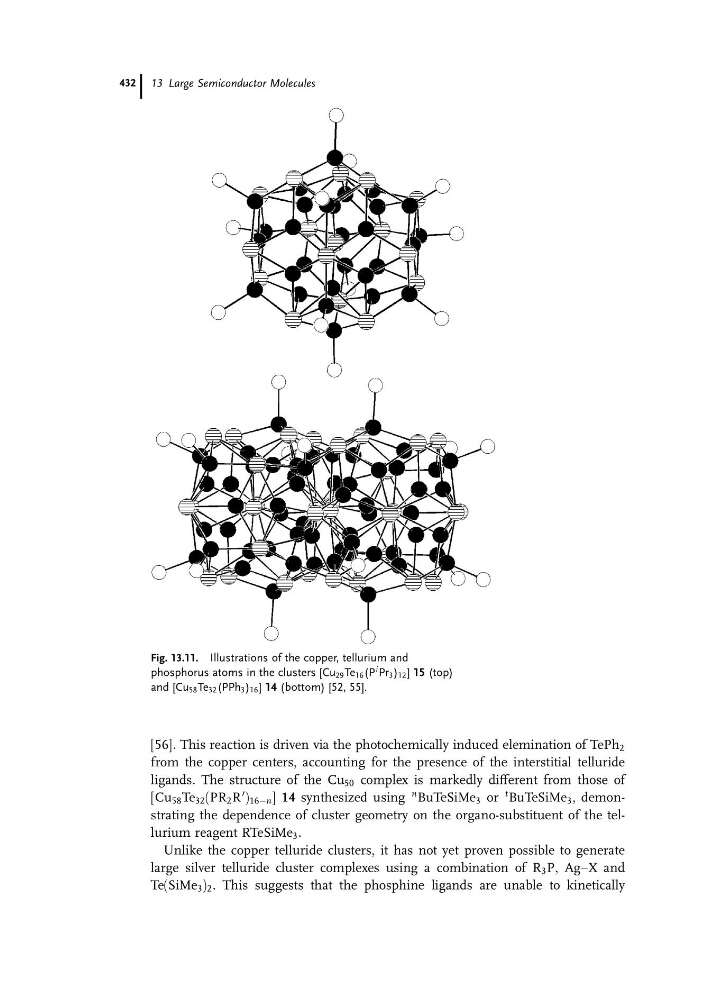
Fig. 13.11. Illustrations of the copper, tellurium and
phosphorus atoms in the clusters [Cu 29 Te 16 (P
i Pr 3 ) 12 ] 15 (top)
and [Cu 58 Te 32 (PPh 3 ) 16 ] 14 (bottom) [52, 55].
13 Large Semiconductor Molecules
432
from the copper centers, accounting for the presence of the interstitial telluride
ligands. The structure of the Cu 50 complex is markedly different from those of
[Cu 58 Te 32 (PR 2 R
0 ) 16Àn ] 14 synthesized using
n BuTeSiMe 3 or
t BuTeSiMe 3 , demonstrating the dependence of cluster geometry on the organo-substituent of the tellurium reagent RTeSiMe 3 .
Unlike the copper telluride clusters, it has not yet proven possible to generate
large silver telluride cluster complexes using a combination of R 3 P, AgaX and
Te(SiMe 3 ) 2 . This suggests that the phosphine ligands are unable to kinetically
Fig. 13.11. Illustrations of the copper, tellurium and
phosphorus atoms in the clusters [Cu 29 Te 16 (P
i Pr 3 ) 12 ] 15 (top)
and [Cu 58 Te 32 (PPh 3 ) 16 ] 14 (bottom) [52, 55].
13 Large Semiconductor Molecules
432