

biohazardous step essentially depends on the high-tech infrastructure of modern production plants, which require high biosafety
standards [4], making glycoconjugate vaccines expensive, not sufficiently accessible to low-income countries, and, with regard to
animal husbandry, where they could reduce/avoid the exuberant
use of antibiotics, not sufficiently cost-effective [5–7].
Alternative means for the provision of the polymer antigen are
chemical and enzymatic synthesis [8, 9]. With Neisseria meningitidis serogroup X, we and other groups have shown that capsule
polymerases, the enzymes that generate the capsule polymer
in vivo, can be expressed as soluble constructs [10, 11], can be
engineered to produce tailored oligosaccharides [12], allow the
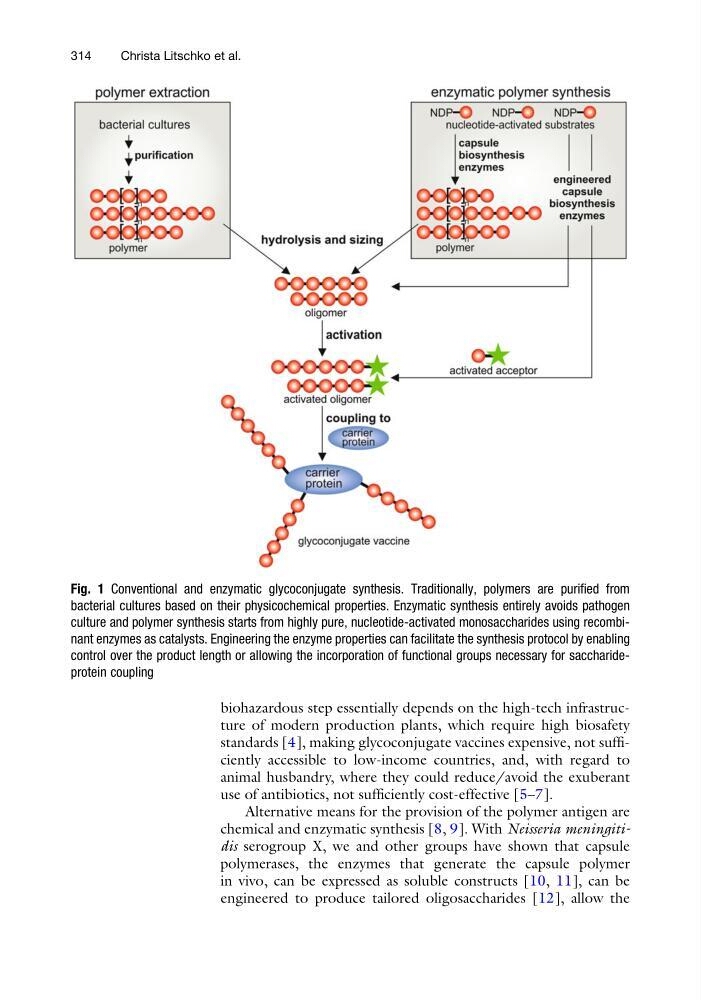
Fig. 1 Conventional and enzymatic glycoconjugate synthesis. Traditionally, polymers are purified from
bacterial cultures based on their physicochemical properties. Enzymatic synthesis entirely avoids pathogen
culture and polymer synthesis starts from highly pure, nucleotide-activated monosaccharides using recombinant enzymes as catalysts. Engineering the enzyme properties can facilitate the synthesis protocol by enabling
control over the product length or allowing the incorporation of functional groups necessary for saccharideprotein coupling
314
Christa Litschko et al.
standards [4], making glycoconjugate vaccines expensive, not sufficiently accessible to low-income countries, and, with regard to
animal husbandry, where they could reduce/avoid the exuberant
use of antibiotics, not sufficiently cost-effective [5–7].
Alternative means for the provision of the polymer antigen are
chemical and enzymatic synthesis [8, 9]. With Neisseria meningitidis serogroup X, we and other groups have shown that capsule
polymerases, the enzymes that generate the capsule polymer
in vivo, can be expressed as soluble constructs [10, 11], can be
engineered to produce tailored oligosaccharides [12], allow the
Fig. 1 Conventional and enzymatic glycoconjugate synthesis. Traditionally, polymers are purified from
bacterial cultures based on their physicochemical properties. Enzymatic synthesis entirely avoids pathogen
culture and polymer synthesis starts from highly pure, nucleotide-activated monosaccharides using recombinant enzymes as catalysts. Engineering the enzyme properties can facilitate the synthesis protocol by enabling
control over the product length or allowing the incorporation of functional groups necessary for saccharideprotein coupling
314
Christa Litschko et al.