

13.9 Summary
569
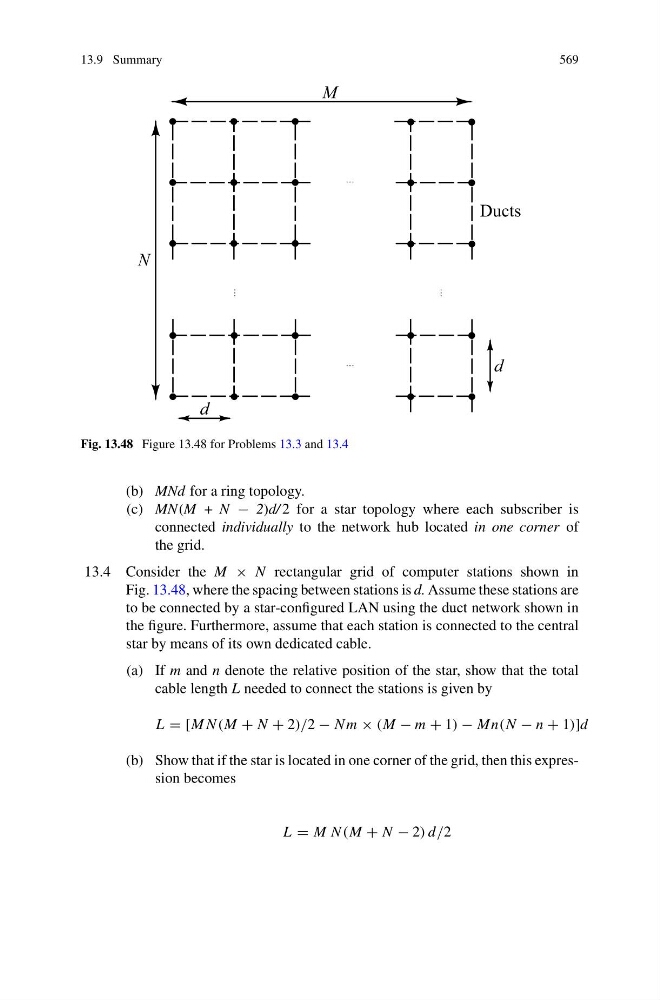
Fig. 13.48 Figure 13.48 for Problems 13.3 and 13.4
(b) MNd for a ring topology.
(c) MN(M + N − 2)d/ 2 for a star topology where each subscriber is
connected individually to the network hub located in one corner of
the grid.
13.4 Consider the M × N rectangular grid of computer stations shown in
Fig. 13.48, where the spacing between stations is d. Assume these stations are
to be connected by a star-configured LAN using the duct network shown in
the figure. Furthermore, assume that each station is connected to the central
star by means of its own dedicated cable.
(a) If m and n denote the relative position of the star, show that the total
cable length L needed to connect the stations is given by
L = [M N (M + N + 2)/2 − N m × (M − m + 1) − Mn(N − n + 1)]d
(b) Show that if the star is located in one corner of the grid, then this expression becomes
L = M N(M + N − 2) d/2